Is New Zealand good for solo backpackers?
Yes. New Zealand is safe, English-speaking and has a strong hostel network and traveller scene, making it easy for solo backpackers to meet people and get around.
In short: New Zealand packs world-class adventure into a compact, safe, English-speaking country: bungy and skydiving in Queenstown, volcanic and alpine hikes, fiords, glaciers and glowworm caves. Its hostels, buses and sociable traveller scene make it ideal for solo backpackers aged 20 to 45.
There are bucket-list countries, and then there is New Zealand. For backpackers chasing adventure, few places come close. In a country roughly the size of the UK, you can throw yourself off a bridge on a bungy cord, hike past steaming volcanic craters, kayak beneath waterfalls in a fiord and float through a cave lit by thousands of glowworms, sometimes in the same week.
We have been running small-group trips since 2013, and New Zealand is one of the places where travellers come home with the biggest grins and the best stories. Here is why it earns its reputation as the ultimate New Zealand adventure playground for backpackers, plus the practical stuff you need to make it happen on a sensible budget.
Commercial bungy jumping was born here. The Kawarau Gorge Suspension Bridge opened as the world's first commercial bungy site in 1988, and the 43-metre leap toward the turquoise river is still a rite of passage. If that feels too tame, the Nevis Bungy drops you around 134 metres from a cable car suspended over a canyon.
Queenstown is not only about jumping off things. The town is a hub for almost every adrenaline sport you can name:
After dark, the town's compact centre fills with travellers swapping stories over burgers and pints. As a solo traveller, it is one of the easiest places in the world to make friends.
Tip: Activity operators in Queenstown often sell combo packages (for example bungy plus jet boat). If you are planning two or more big-ticket activities, compare combos before booking individually, as they can save a decent chunk of your budget.
Kiwis call hiking tramping, and they take it seriously. The country's network of tracks, huts and campsites is managed by the Department of Conservation (DOC), and it is some of the best-maintained hiking infrastructure anywhere.
Often called one of the best one-day hikes on Earth, the Tongariro Alpine Crossing takes you across a living volcanic landscape in the centre of the North Island. Expect red craters, steaming vents and the jewel-bright Emerald Lakes, with the cone of Mount Ngauruhoe looming beside you. It is a one-way route, so you will need a shuttle to the start and from the finish.
For multi-day adventures, the Great Walks are the headline act. The Milford, Routeburn, Kepler and Abel Tasman tracks are the most famous. Huts on the most popular walks book out quickly for the summer season, so lock them in as early as you can.
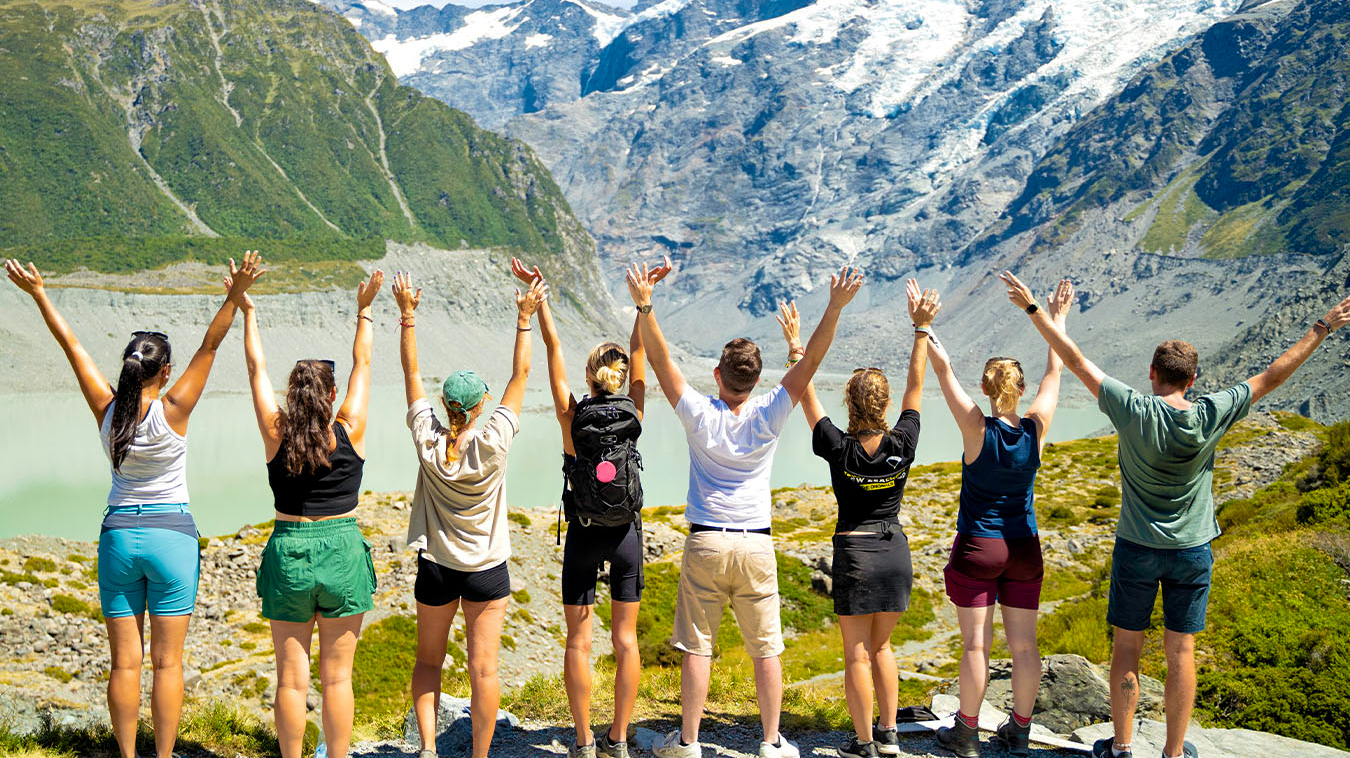
You do not need a week in the wilderness. Short walks such as Roys Peak near Wanaka, the Hooker Valley Track at Aoraki/Mount Cook and the coastal trails around Cathedral Cove deliver huge views in a few hours.
Down in Fiordland, Milford Sound is the kind of place that makes even seasoned travellers go quiet. Sheer cliffs rise straight out of dark water, waterfalls pour off the rock and, if you are lucky, dolphins or fur seals cruise alongside the boat. Here's the twist: a rainy day is often the best day, when hundreds of temporary waterfalls appear.
On the West Coast, the Franz Josef and Fox glaciers tumble down from the Southern Alps towards temperate rainforest. Walking on the ice now generally means a helicopter-accessed heli-hike, which is a splurge, but the valley walks to the glacier viewpoints are free and still spectacular.
Here is the 1 trip we run in New Zealand.
You will smell Rotorua before you see it. This geothermal hotspot bubbles with boiling mud pools, erupting geysers and naturally heated springs. It is also one of the best places in the country to connect with Māori culture.
An evening cultural experience usually includes a traditional welcome, a powerful haka and a hāngī, a meal slow-cooked in an earth oven. Done well, it is a genuine insight into the culture that shapes so much of New Zealand's identity, not just a show.
Rotorua is no slouch on adrenaline, either. Think zorbing (rolling downhill inside a giant inflatable ball), luge rides, white-water rafting and world-class mountain biking in the Redwoods forest.
Beneath the green hills of Waitomo lies a network of limestone caves home to New Zealand's famous glowworms. Drift through the darkness on a small boat and the ceiling lights up like a star-filled night sky.
For something wilder, try blackwater rafting: pull on a wetsuit, sit in an inner tube and float through underground rivers, sometimes abseiling or jumping off small waterfalls along the way. It is cold, muddy and brilliant fun.
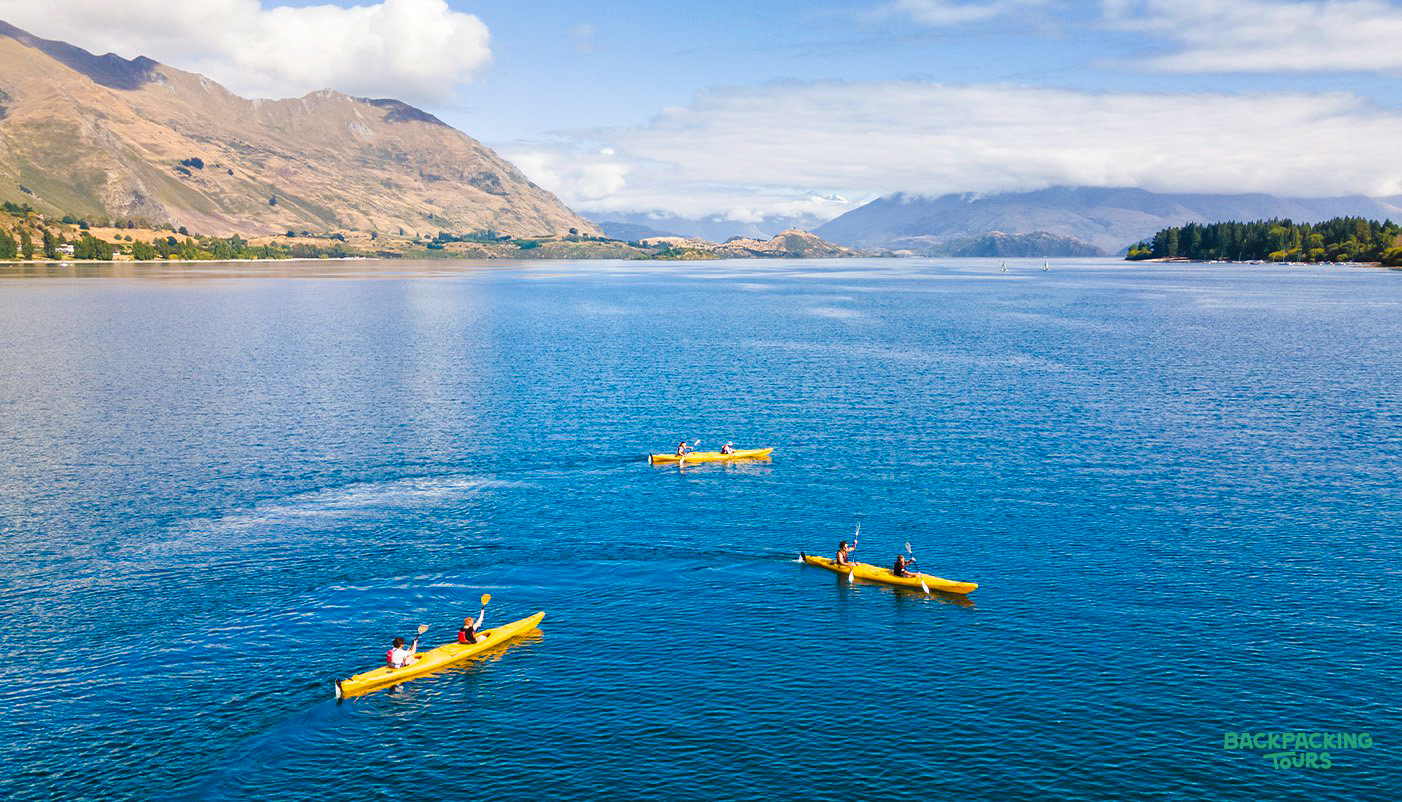
New Zealand's coastline is longer than you might think, and it is endlessly varied. In Abel Tasman National Park, you can paddle a sea kayak between golden beaches and granite headlands, then walk back along the coastal track. Up north, the Bay of Islands offers sailing and dolphin trips.
Surfers head to Raglan, a laid-back town with a famous left-hand point break and plenty of surf schools for beginners. Be warned: the water is fresh even in summer, so a wetsuit is your friend.
Adventure is only half the story. What makes New Zealand truly special for independent travellers is how easy it is once you are there.
From city centres to tiny lakeside towns, you will find a strong hostel network, including YHA properties and many independent backpackers. Most have self-catering kitchens, which is a huge help for your budget, and common rooms where solo travellers naturally team up.
New Zealand regularly ranks among the safest countries in the world, and Kiwis are famously welcoming. For a first big solo trip, or a first trip outside Asia, it is a confidence-building place to travel.
Let's be honest: New Zealand is not Southeast Asia. Food, accommodation and especially adventure activities cost more. But with a little planning, it is very doable on a backpacker budget.
Tip: Many of New Zealand's best experiences are free: DOC walking tracks, glacier valley walks, lookouts, hot-spring rivers and wild beaches. Plan your days around these and save your cash for the one activity you would regret skipping.
Summer (December to February) brings long days, warm weather and the busiest trails. Autumn and spring offer crisp air, golden colours or fresh blossom, and better deals. Winter turns Queenstown and Wanaka into ski towns. For a month-by-month breakdown, read our guide to New Zealand weather and the best time to visit.
New Zealand is easy to travel independently, but there is a lot of ground to cover, a lot of logistics to juggle and a lot of activities to choose between. That is exactly why we built our 17 Day New Zealand Small Group Tour: it strings together big landscapes and adventure hotspots with a group leader handling the planning, so you can focus on the fun.
You will travel with a small group of fellow travellers aged 20 to 45, which takes the edge off solo travel without losing the backpacker spirit. Have a look at the trip photos to see what our travellers got up to, and check the tour FAQs for details on inclusions and what to pack.
Still weighing it up? Our round-up of the top reasons to travel New Zealand covers even more highlights, and if you have never joined a group trip before, our guide to preparing for a group tour will get you ready.
Yes. New Zealand is safe, English-speaking and has a strong hostel network and traveller scene, making it easy for solo backpackers to meet people and get around.
It depends on your nationality. Many visitors from visa-waiver countries need an NZeTA and must pay the International Visitor Conservation and Tourism Levy before travelling, while others need a visitor visa. Always check official requirements before you book.
Summer (December to February) is best for hiking and water sports, while spring and autumn offer good weather with fewer crowds and lower prices. Winter (roughly June to October) is ski season in the South Island.
Around two to three weeks lets you see highlights on both the North and South Islands without rushing. Less time works if you focus on one island.
It is pricier than Southeast Asia, especially for adventure activities, but cooking in hostel kitchens, prioritising free hikes and travelling in shoulder season keeps costs manageable.
No. Long-distance buses, ferries, domestic flights and organised group tours cover the main routes, although driving gives more flexibility. Kiwis drive on the left.
Backpacking Tours is a licensed tour company based in Bangkok that has been running small-group trips since 2013, and every departure has a group leader or local guide looking after the details. Our 17 Day New Zealand Small Group Tour is hand-built to balance the country's headline adventures with real local experiences, travelling in small groups (up to 20 on most trips) of like-minded travellers aged 20 to 45. It suits solo travellers who want the freedom and energy of backpacking without spending hours on bookings and logistics, and it is designed to offer good value and flexibility. Past travellers have rated our trips highly, and you can read their honest feedback on our reviews page before you decide.
We run one trip in New Zealand, and 31 more countries besides. Your next adventure is waiting.
Be first in line. Waitlist members get early access to the sale, so you can grab the departure you want before places go.
You're on the list! We'll email you as soon as the sale starts.
By signing up you agree that we may send you marketing emails. You can unsubscribe at any time.