
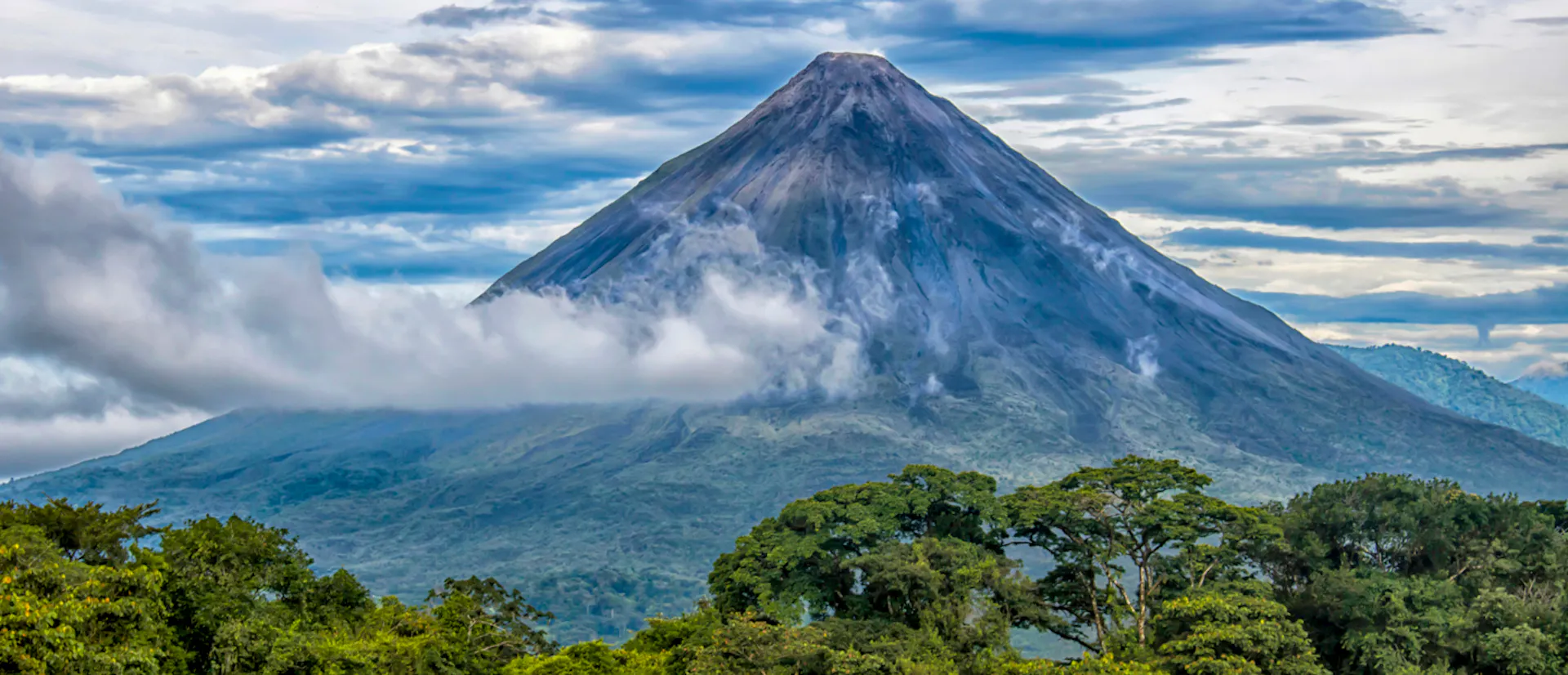
Central America offers an incredible tapestry of ancient ruins, vibrant cultures, and stunning natural beauty, making it a dream destination for backpackers. Understanding its diverse climate is key to planning your adventure, as timing your trip can significantly impact your experience, from sunny beach days to navigating lush, rainy trails. Let's dive into the weather patterns to help you choose the best time to visit this captivating region.



Central America’s Seasons (Quick Version)
Central America's climate is broadly defined by two main seasons, with a transitional period in between, largely influenced by altitude and proximity to the Pacific or Caribbean coasts. Knowing these general patterns will help you pack appropriately and plan your activities.
- Dry Season: This is the most popular time to visit, offering abundant sunshine, lower humidity, and ideal conditions for exploring and beach hopping.
- Shoulder Season: Expect a mix of sun and increasing afternoon showers, bringing lush landscapes and fewer crowds, though humidity starts to rise.
- Wet Season: Characterized by daily downpours, often in the afternoons, this season transforms the region into a vibrant green paradise, ideal for those seeking solitude and dramatic scenery.
Central America month by month, at a glance
Guatemala's highlands (Antigua, Lake Atitlán, Acatenango): average daytime high, and each month's rain against the wettest month.
Pacific Coast
Caribbean Coast
Central Highlands
Our Central America trips
Here are the 3 trips we run in Central America.

Month-By-Month: Central America Weather
To help you fine-tune your travel plans, here's a detailed look at what you can expect month-by-month across Central America. Remember, local conditions can vary, but these summaries provide a good general guide.
Central America Weather in January
Excellent, dry, around 28°C
January marks the peak of the dry season across much of Central America. Expect abundant sunshine, low humidity, and pleasant daytime temperatures averaging around 28°C in coastal areas like Costa Rica's Pacific beaches or Belize's Caye Caulker. Nights in the highlands, such as Antigua, can be refreshingly cool. It's a fantastic time for hiking volcanoes, exploring ancient Mayan ruins, and enjoying clear waters for snorkeling and diving. This is a very popular and busy month.
While the Pacific side is gloriously dry, parts of the Caribbean coast, particularly in Nicaragua and Panama, may still experience some residual showers, especially earlier in the month. However, destinations like Bocas del Toro in Panama generally see improving weather towards late January.
Central America Weather in February
Excellent, dry, around 29°C
February continues the dry season with consistently sunny skies and comfortable temperatures, often reaching 29°C along the coasts of El Salvador and Guatemala. Humidity remains low, making it ideal for active adventures like zip-lining in Monteverde or exploring the cloud forests. Water visibility for diving in places like Utila, Honduras, is typically excellent. Crowds are still present but can be slightly less intense than January, offering a perfect balance for backpackers.
The Caribbean coasts, including parts of Honduras and Belize, generally enjoy stable, sunny weather in February, making it a great time for island hopping and reef exploration. In contrast, the highland areas remain pleasantly cool, perfect for cultural tours and coffee plantation visits.
Central America Weather in March
Excellent, dry, around 30°C
March is arguably one of the best months to visit, with widespread dry, sunny weather and temperatures often hitting 30°C or higher in low-lying areas of Nicaragua and Costa Rica. The landscape can start to look a bit parched in some Pacific regions, but conditions for outdoor activities are superb. Expect clear skies for volcano treks in Guatemala and ideal conditions for surfing on Costa Rica's Nicoya Peninsula. Sea conditions are generally calm and inviting.
While the Pacific side is very dry, the Caribbean coast, particularly in Panama, might see slightly more humidity, though rainfall is still minimal. Easter often falls in March or April, and Semana Santa in Antigua, Guatemala, with its processions and flower carpets, is one of the region's great festivals.
Central America Weather in April
Good, hot, around 32°C
April brings increasing heat and humidity as the dry season transitions towards the wet season, with average temperatures often around 31°C in coastal areas like Belize. While still largely sunny, especially in the mornings, occasional afternoon showers may begin, particularly towards the end of the month. It's still a good time for beach activities and exploring ruins like Tikal, but be prepared for intense sun and muggier conditions. Easter week can bring significant crowds and higher prices.
The Pacific coast of Costa Rica and Nicaragua experiences its hottest month, with very little rain. Conversely, the Caribbean coast, such as in parts of Honduras, might see slightly more consistent humidity and the occasional short, sharp shower, indicating the approaching shift in seasons.
Central America Weather in May
Good, warm, around 30°C, some rain
May marks the official start of the 'green season' or wet season for much of the Pacific side of Central America, with afternoon thunderstorms becoming more common. Temperatures hover around 30°C. Mornings are typically sunny and pleasant, perfect for activities before the clouds roll in. The landscape begins to transform into lush, vibrant green. This is a great month for fewer crowds and lower prices in popular spots like Lake Atitlán, Guatemala, and surf towns in El Salvador.
On the Caribbean side, Belize and Mexico's Yucatán are usually still fairly dry in May, with the rains arriving in June, which makes them an excellent alternative for beach lovers. However, humidity levels are generally on the rise across the entire region.
Central America Weather in June
Moderate, warm, around 29°C, daily showers
June sees the wet season fully established across the Pacific slope, with daily afternoon showers and thunderstorms. Temperatures remain warm, around 29°C. Mornings are still usually clear, allowing for early adventures. Rivers begin to swell, making it a good time for white-water rafting in Costa Rica. The scenery is incredibly verdant, and waterfalls are at their most impressive. Expect fewer tourists and better deals on accommodation.
The rains reach Belize and the Yucatán in June too, usually as short, heavy afternoon storms. They pass quickly out on the cayes, so snorkelling the reef is still very doable.
Central America Weather in July
Moderate, warm, around 29°C, afternoon rain
July continues the pattern of the wet season, with warm temperatures around 29°C and predictable afternoon downpours across much of the region, especially the Pacific. Mornings are typically sunny and ideal for activities. The 'veranillo' or 'little summer' can bring a brief drier spell to parts of the Pacific coast, offering a window of clearer weather. It's a great month for wildlife viewing in national parks like Manuel Antonio, Costa Rica, as animals are active after the rain.
While the Pacific may have a brief dry spell, the Caribbean coast, especially in Nicaragua and Panama, generally maintains its wetter pattern, though heavy rains are usually confined to the afternoons. This makes it a good month for exploring the cultural richness of cities like Granada before the afternoon showers.
Central America Weather in August
Wet, warm, around 28°C, heavy rain
August is firmly in the wet season, with average temperatures around 28°C and heavier, more consistent rainfall across much of Central America, particularly on the Pacific side of Costa Rica, Nicaragua, and El Salvador. Mornings can still offer sunshine, but be prepared for significant afternoon and evening downpours. Roads can become muddy, and some remote areas might be less accessible. This is a prime month for lush landscapes and fewer crowds, appealing to budget travelers.
The Caribbean coast, including Belize and Honduras, enters the peak of its hurricane season, so while not necessarily wetter everywhere, there's an increased risk of tropical storms and hurricanes. Always monitor weather forecasts if traveling to these areas during August.
Central America Weather in September
Wettest, warm, around 27°C, intense rain
September is often the wettest month for many Pacific regions of Central America, with average temperatures around 27°C. Expect frequent and sometimes intense rainfall, often lasting for several hours. While mornings can still be bright, outdoor plans often need to be flexible. This is the quietest month for tourism, offering the lowest prices and a chance to experience the region at its most untouched and greenest. Surfing can be excellent on the Pacific coast due to larger swells.
The Caribbean coast, including destinations like Bocas del Toro in Panama, can experience slightly less rain than the Pacific side during September, making it a relatively better option for some. However, it's still within the hurricane season, so vigilance is advised for all coastal areas.
Central America Weather in October
Very wet, warm, around 27°C, heavy rain
October remains very wet across much of Central America, with temperatures around 27°C. Rainfall is still heavy and frequent, especially on the Pacific slope of Costa Rica, Nicaragua, and Guatemala. Roads can be challenging, and some tours may be affected by weather. However, the landscapes are incredibly vibrant and green, and wildlife is abundant. This is the tail end of the wet season, and while challenging, it offers unique experiences for intrepid backpackers seeking solitude and nature at its wildest.
The exception is the southern Caribbean coast: September and October are usually the driest months around Puerto Viejo in Costa Rica and Bocas del Toro in Panama. Further north, Belize and the Yucatán are at their wettest and still in hurricane season.
Central America Weather in November
Transition, warm, around 28°C, improving
November is a transitional month as the wet season gradually recedes, especially on the Pacific side. Temperatures average around 28°C. Early November can still see significant rainfall, but by the latter half, sunny days become more frequent and humidity drops. This is an excellent 'shoulder' month, offering lush scenery, fewer crowds than peak season, and improving weather for exploring places like El Salvador's Ruta de las Flores. Prices are still reasonable.
While the Pacific coast dries out, the Caribbean coast, particularly in Costa Rica and parts of Panama, can still experience heavy rainfall in November, marking its own distinct wet season. This creates a clear contrast, allowing for strategic travel planning to find drier spots.
Central America Weather in December
Excellent, dry, around 28°C, popular
December marks the glorious return of the dry season for most of Central America, with average temperatures around 28°C. Expect increasingly sunny skies, lower humidity, and pleasant conditions perfect for all outdoor activities. This is a highly popular month, especially around Christmas and New Year, so expect higher prices and larger crowds in destinations like Antigua, Guatemala, and the Pacific beaches of Costa Rica. Book accommodation and transport well in advance.
The Caribbean coast, including Belize and the Bay Islands of Honduras, generally experiences excellent weather in December, making it a prime time for diving and snorkeling. However, some areas of the southern Caribbean, like parts of Panama, might still experience occasional showers early in the month.
Regional Weather Differences
Central America isn't a monolithic climate zone; its diverse geography creates distinct microclimates. Understanding these regional differences is crucial for planning a trip that aligns with your weather preferences.
- Pacific Coast & Lowlands: Experiences a pronounced dry season (Dec-Apr) with sunny, hot weather, and a distinct wet season (May-Nov) with afternoon rains, ideal for surfing and lush landscapes.
- Caribbean Coast & Islands: Generally wetter and more humid year-round, with rainfall peaks that can differ from the Pacific, and a hurricane season from June to November, especially August-October.
- Central Highlands: Offers cooler temperatures due to altitude, with a similar dry (Dec-Apr) and wet (May-Nov) season pattern to the Pacific, but less intense heat and rainfall.
Best Time to Visit Central America
For most backpackers, the best time to visit Central America is during the dry season, from December to April. This period offers abundant sunshine, comfortable temperatures, and ideal conditions for all types of adventures, from beach relaxation to volcano hikes. If you prefer fewer crowds and don't mind occasional afternoon showers, the shoulder months of May and November are also excellent, providing lush scenery and better value.
Which Trip, and When?
Backpacking Central America (18 days) runs from Playa del Carmen through Bacalar and the Belize cayes to Tikal, Semuc Champey, Lake Atitlán and the overnight Acatenango volcano trek. The 28-day Expedition starts in Mexico City and adds Oaxaca, San Cristóbal and Isla Holbox first. On both, Acatenango is the part to time: December to April gives the best chance of a clear summit and a view of Fuego erupting next door.
For the southern end of the isthmus, Backpacking Costa Rica has its own month-by-month weather guide, and so does Mexico.
- See all our Central America trips.
Ready to see it for yourself? Let's go!
From Bulgaria's slopes to South Africa's savannah, your next adventure is waiting.