What should I wear to a temple in Sri Lanka?
Cover your shoulders and your knees, and take off your shoes and hat before you enter. This applies to men and women. White or light-coloured clothes are traditional but not required.
In short: Sri Lanka is relaxed and welcoming, but a few rules matter. Cover your shoulders and knees and remove shoes and hats at temples, never pose with your back to a Buddha statue, keep swimwear for the beach, use your right hand to eat and give, and expect alcohol to be off sale on full moon (Poya) days.
| Where | What to wear |
|---|---|
| Buddhist temples | Shoulders and knees covered, shoes and hats off. White or light colours are traditional |
| Hindu temples (kovils) | Shoulders and knees covered, shoes off |
| Beaches | Swimwear is fine on the sand. No topless or nude sunbathing |
| Towns and villages | T-shirt and shorts or a skirt to the knee. Cover up away from the beach |
| Hill country (Kandy, Ella, Nuwara Eliya) | The same, plus a jumper or light jacket for cool evenings |
| Safaris | Muted colours, a hat and something warm for early starts |
Sri Lanka etiquette is easy to get right. This is a warm, tolerant country where a smile and a bit of effort go a long way, and nobody expects visitors to know every custom. But Sri Lanka is also a deeply religious place, mostly Buddhist with large Hindu, Muslim and Christian communities, and a handful of rules are taken seriously. One or two are enforced by law.
This guide covers what to wear, how to behave at temples, and the everyday manners that will make your trip smoother. If you are still planning, our first-timer's guide to backpacking Sri Lanka is a good place to start.
Sri Lanka is hot and humid on the coast and noticeably cooler in the hills, so pack light, loose clothes plus one warm layer. Dress is modest by European beach-holiday standards. In towns and villages most local women cover their shoulders and wear skirts or trousers to the knee or below, and men rarely walk around shirtless.
Tip: Carry a light sarong or scarf in your day bag. It turns shorts and a vest into temple-ready clothes in ten seconds, and it doubles as a beach towel and a blanket on the train.
What you need changes with the season and the coast you are on, so check our month-by-month guide to Sri Lanka's weather before you pack.
Here are the 10 trips we run in Sri Lanka.
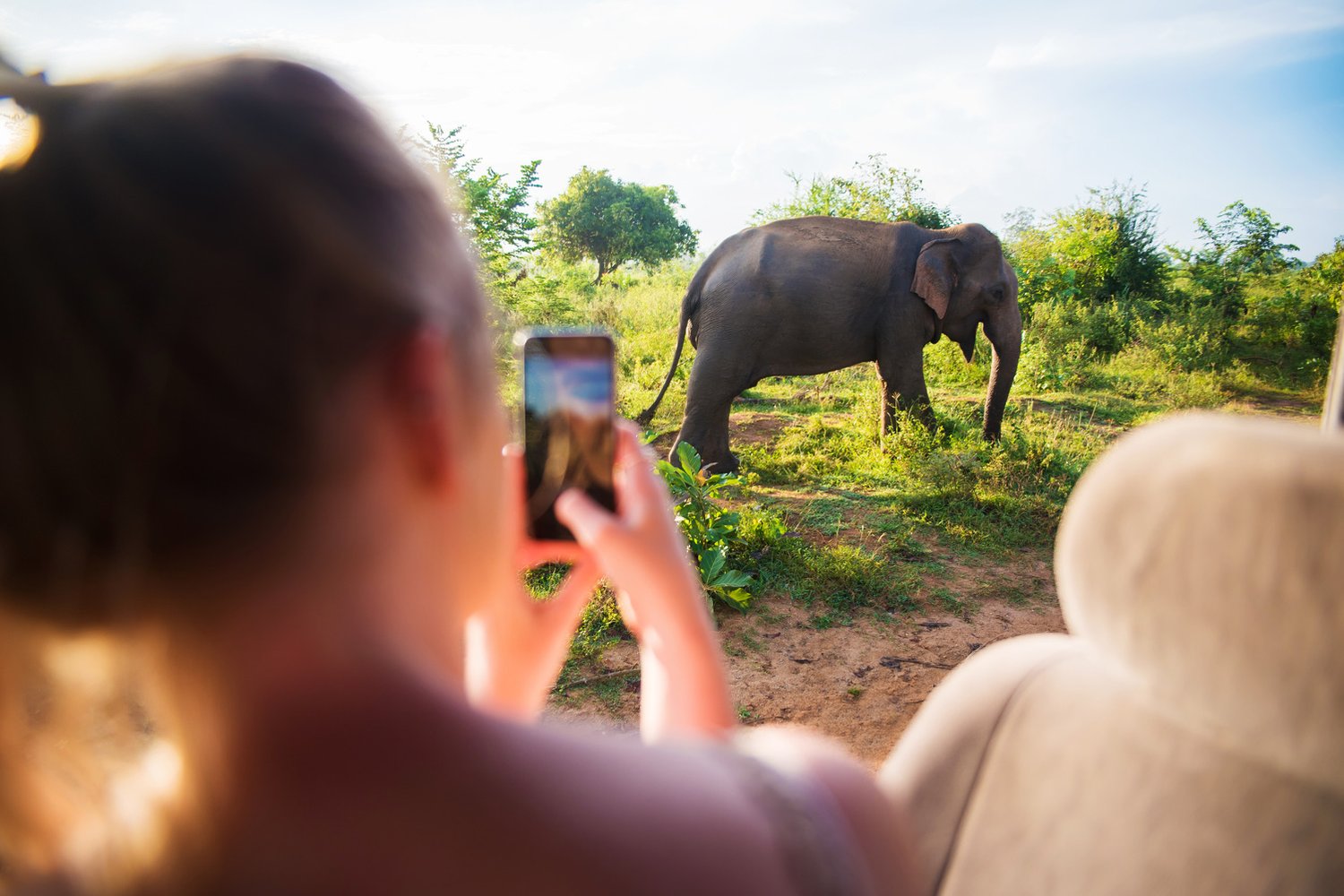 Multi CountryGroup TourBackpacking India & Sri LankaFrom$2979View Tour
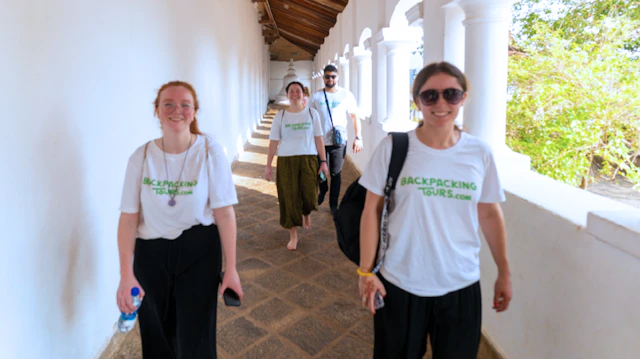 Sri LankaGroup TourBackpacking Sri LankaFrom$2483View Tour
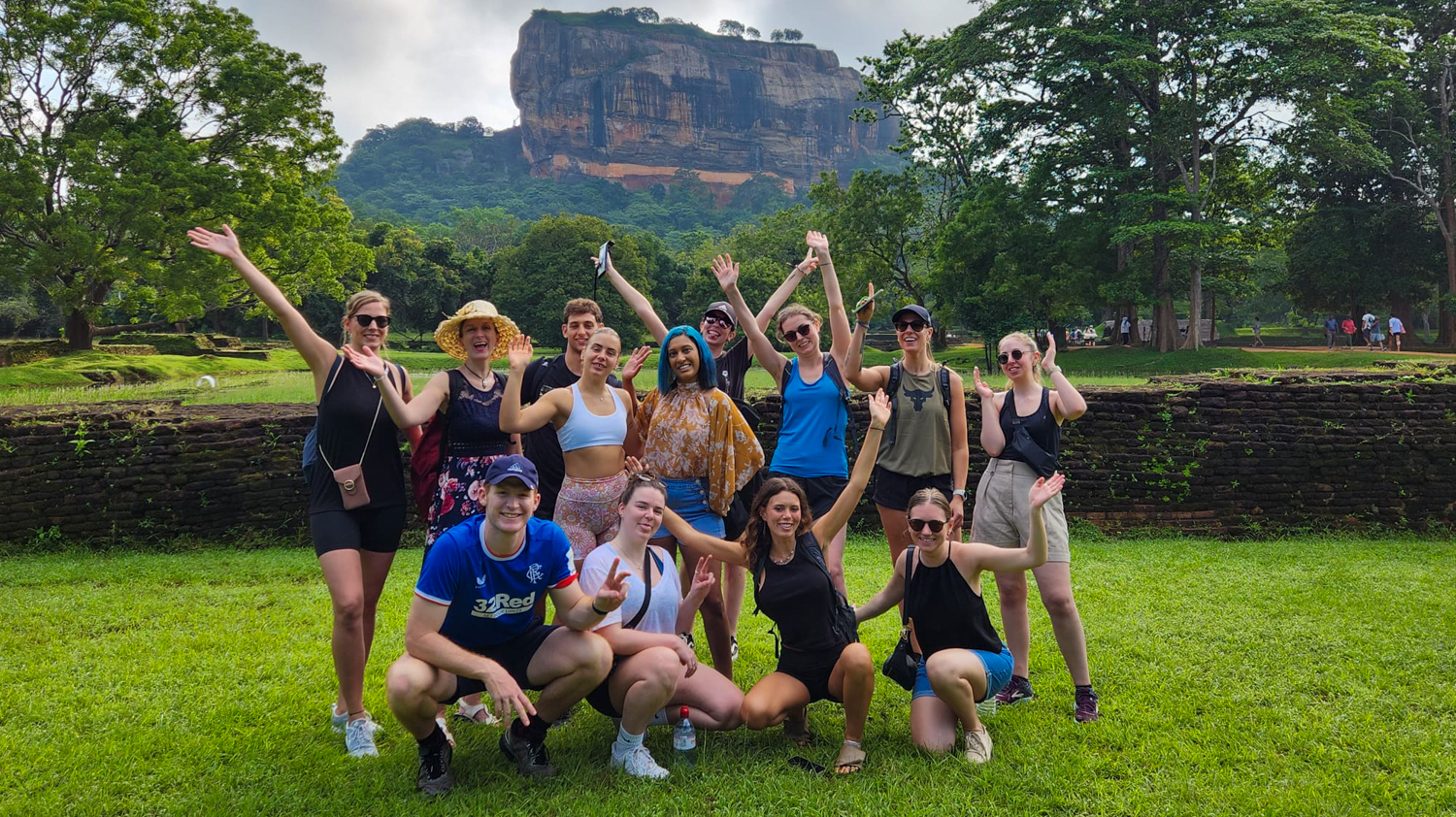 Sri LankaGroup TourBackpacking Sri Lanka: Express AdventureFrom$1619View Tour
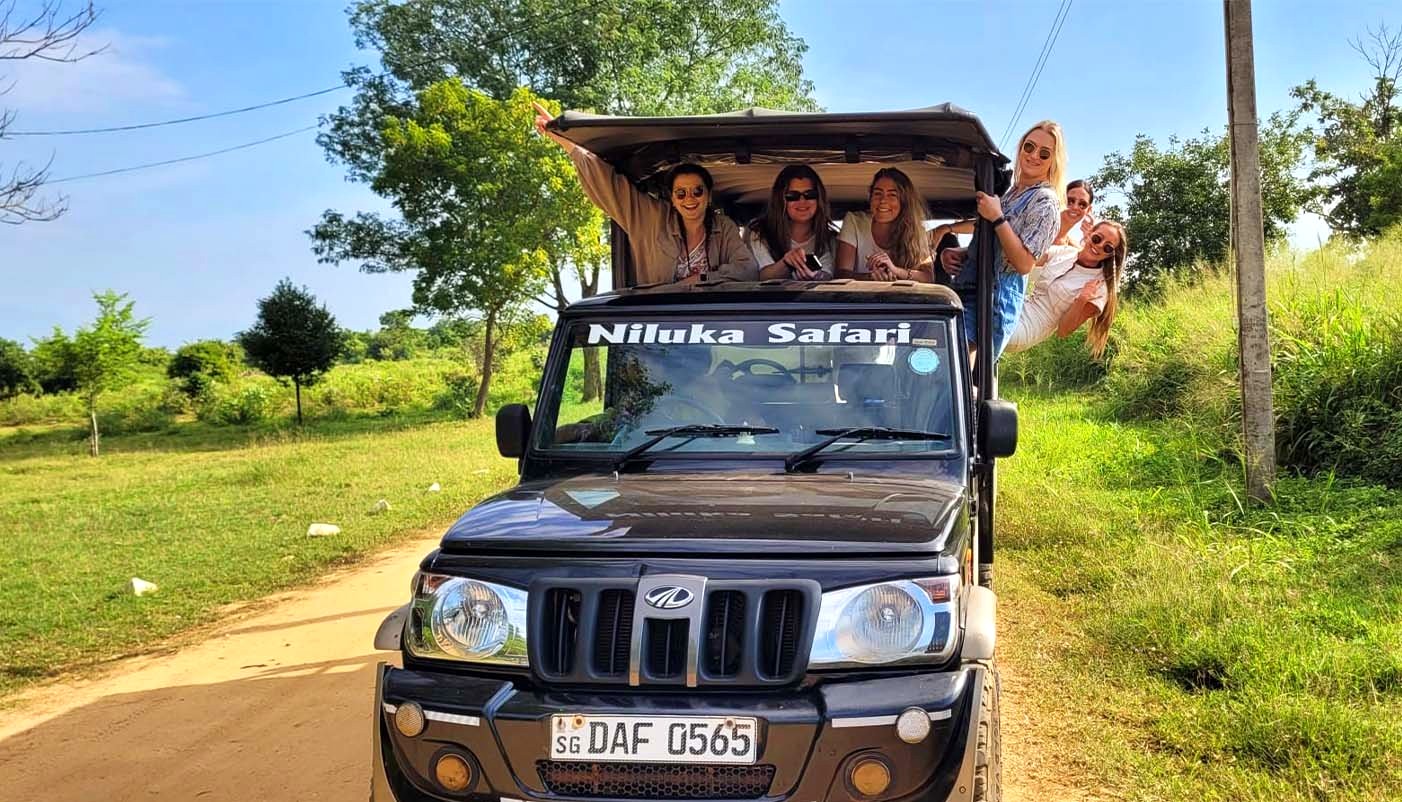 Sri LankaGroup TourBackpacking Sri Lanka: ExperienceFrom$1602View Tour
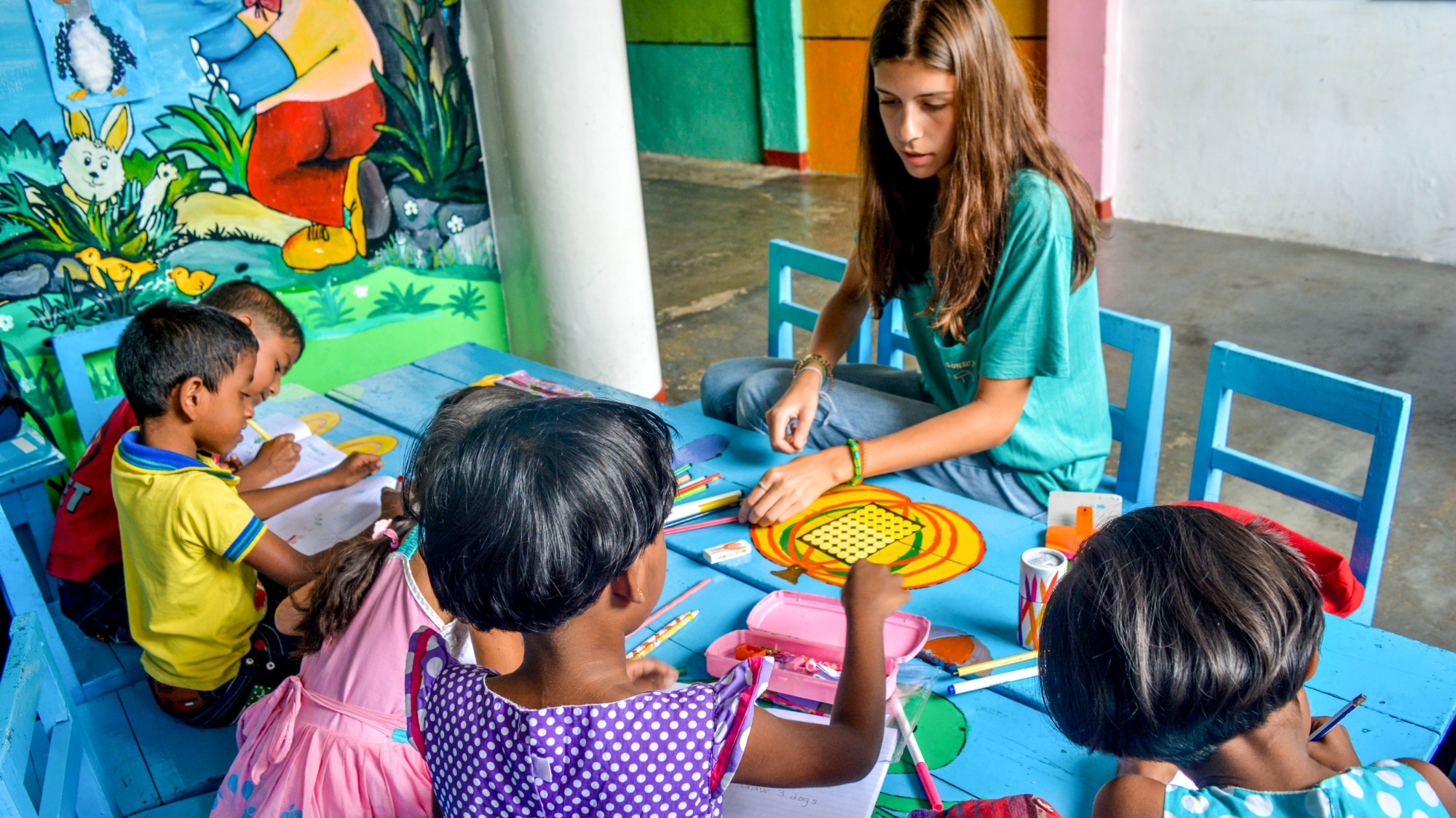 Sri LankaVolunteeringVolunteer Teaching: Sri LankaFrom$409per weekView Tour
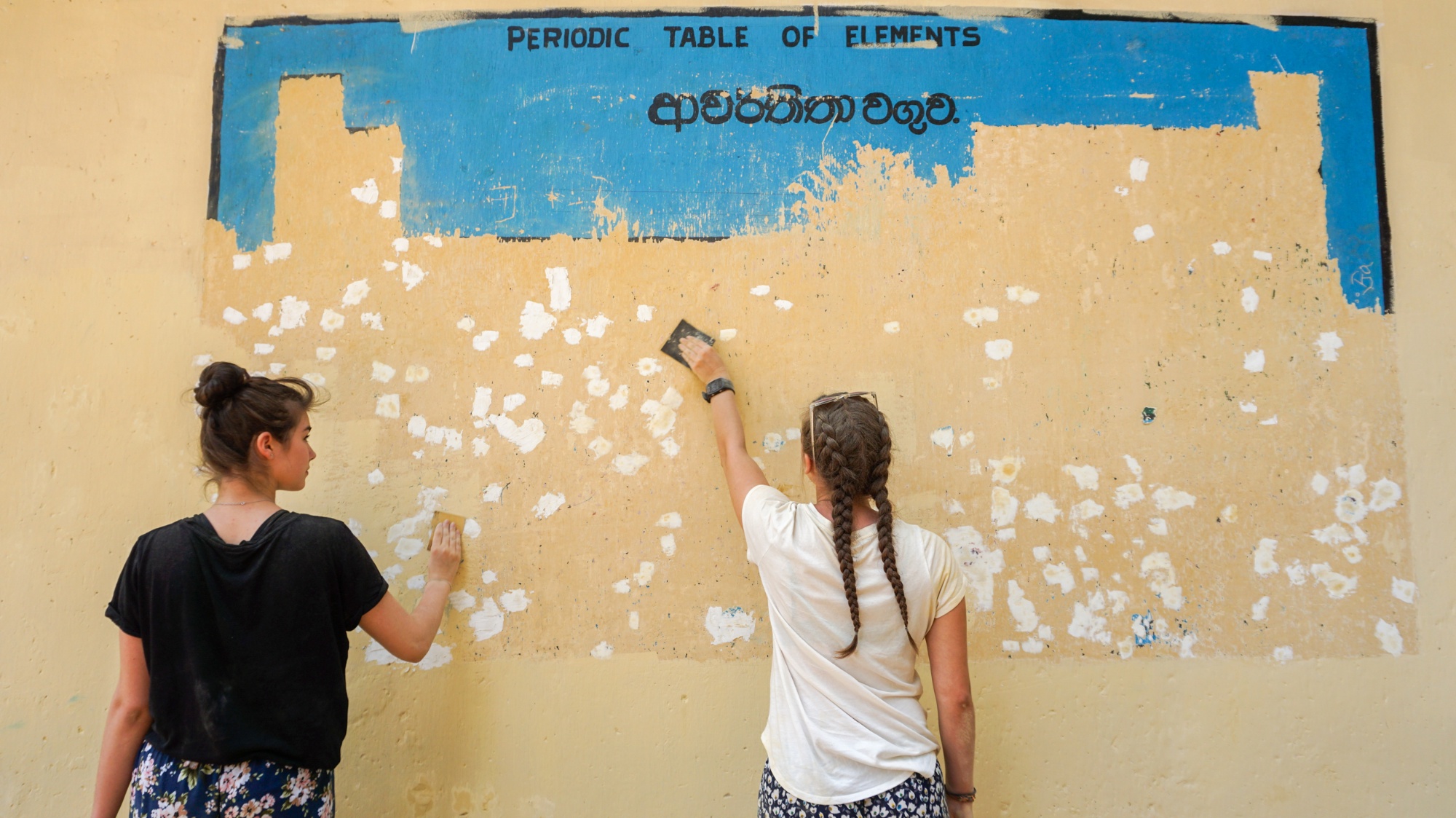 Sri LankaVolunteeringConstruction & Renovation: Sri LankaFrom$409per weekView Tour
 Sri LankaVolunteeringTurtle Conservation: Sri LankaFrom$532per weekView Tour
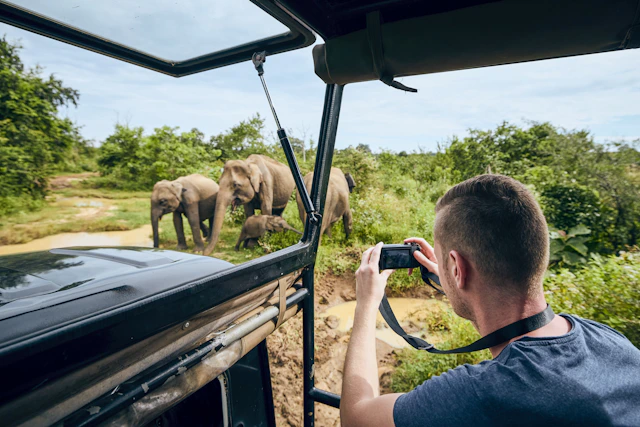 Sri LankaPrivateBeach & Safari: Sri LankaFrom$1799View Tour
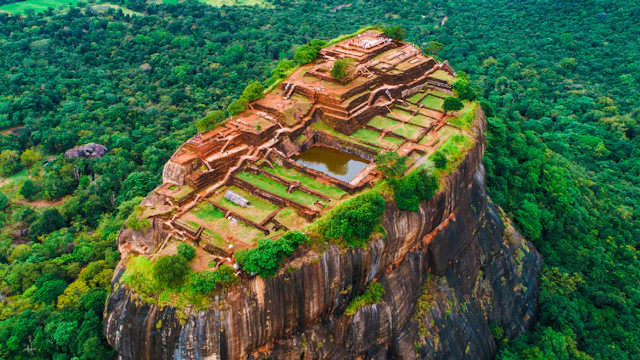 Sri LankaPrivateSri Lanka Express AdventureFrom$1160View Tour
 Sri LankaPrivateSri Lanka ExplorerFrom$2753View Tour
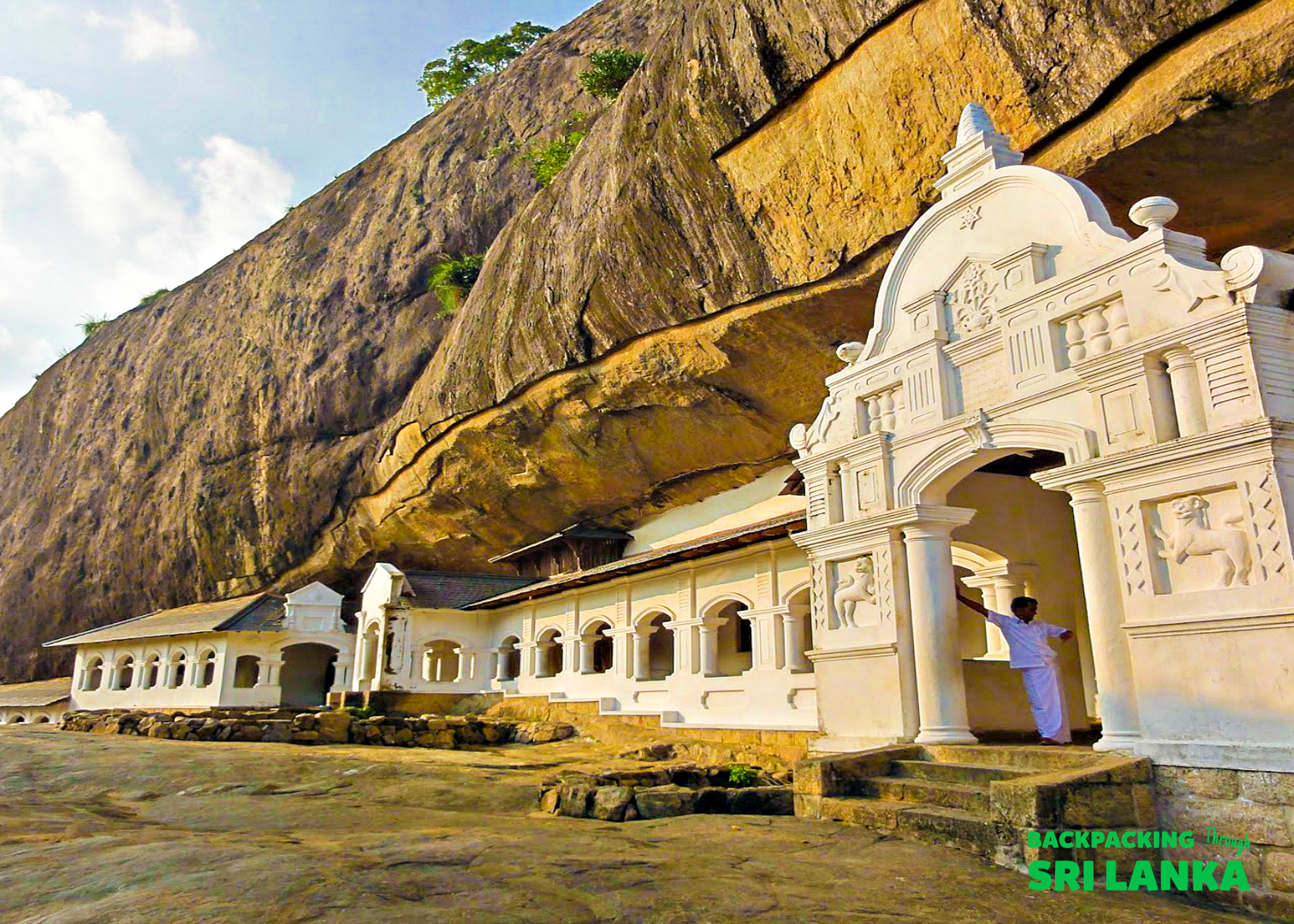
You will visit temples in Sri Lanka whether you plan to or not: the Temple of the Tooth in Kandy, the cave temples at Dambulla and the ancient cities of Anuradhapura and Polonnaruwa are highlights of almost every route. The rules are the same at all of them.
These are not just manners. The UK government's travel advice for Sri Lanka says plainly that disrespecting Buddhist images and artefacts is a serious offence that can lead to arrest, and that visitors with visible Buddha tattoos can be refused entry or deported. If you have one, keep it covered for the whole trip, including at the airport.
Tip: Temple courtyards are scorching by midday and you will be barefoot. Go early, or bring a pair of socks: they are allowed at most temples and they save the soles of your feet.
Buddhist monks are held in the highest respect. Do not offer a handshake, and women should avoid touching a monk or handing anything to him directly. On buses and trains the front seats are reserved for clergy, so give them up if a monk boards. If you would like a photo, ask first.
Hindu kovils follow the same basics: shoes off, shoulders and knees covered. In some kovils in the north, men are asked to remove their shirts before entering. At mosques, women should cover their hair as well, and visitors are not admitted at prayer times.
Every full moon is a public holiday in Sri Lanka, called a Poya day. Each one marks an event in the Buddha's life, and families dress in white and spend the day at the temple.
For travellers it means two things. Temples are busier and more atmospheric than usual, which is lovely to see. And alcohol is not sold on Poya days: bars close, shops will not sell it, and most hotels and restaurants stop serving. Meat can be harder to find too. Plan ahead, and avoid drinking in public on the day itself, which would be insensitive.
The biggest Poya of the year is Vesak, the full moon in May, when towns are hung with paper lanterns. The Kandy Esala Perahera, a ten-night procession of dancers, drummers and decorated elephants in July or August, is the island's most famous festival.
The traditional Sinhala greeting is "Ayubowan" (may you live long), said with palms pressed together and a slight bow. In Tamil-speaking areas it is "Vanakkam". A handshake is fine too, especially with men. You will also meet the Sri Lankan head wobble, a gentle side-to-side tilt that usually means yes, okay or I understand.
Use your right hand to eat, to pay and to pass things to people. The left is traditionally kept for washing. Rice and curry is eaten with the fingertips of the right hand, and it genuinely tastes better that way, but nobody minds if you ask for a spoon and fork.
Take your shoes off when you enter a home, and many guesthouses too. If you are offered tea, accept it: Sri Lankans are proud of their tea and their hospitality in equal measure.
Holding hands is fine, but kissing and anything more is kept private, whoever you are with. Sri Lankan law is conservative here, so check the UK government's travel advice if you want the detail. Losing your temper in public achieves nothing; patience and a smile work far better.
Ask before you photograph people, especially monks, stilt fishermen (who expect a tip for posing) and tea pickers. Do not photograph military bases, government buildings or official vehicles, and do not fly a drone near them.
Tipping is not compulsory in Sri Lanka, but it is appreciated and many people in tourism rely on it. Many restaurants add a 10% service charge to the bill. Where they do not, leaving around 10% for good service is generous. Small tips for porters and hotel staff are welcome, and drivers and guides are usually tipped at the end of a trip.
Bargaining is normal for tuk-tuks without a meter and at markets, and it should stay friendly. Agree the fare before you get in, or use a ride app in the bigger towns so the price is set for you. Shops, supermarkets and restaurants have fixed prices.
Sri Lanka's elephants are best seen wild, from a jeep in a national park such as Udawalawe or Minneriya, rather than at shows or riding camps. Keep your distance from wild elephants on the roads, and do not feed monkeys or stray dogs.
Many beaches have strong currents at certain times of year. Ask your guesthouse or guide where it is safe to swim before you go in. If you would rather have someone else handle the route, the trains and the temple tickets, our 12-day Backpacking Sri Lanka trip and the longer 15-day trip take in temples, tea country, a wildlife safari and the beaches, and there is a ready-made route in our 15-day Sri Lanka itinerary.
Cover your shoulders and your knees, and take off your shoes and hat before you enter. This applies to men and women. White or light-coloured clothes are traditional but not required.
No. Do not pose with your back to a Buddha statue. It is considered deeply disrespectful, and disrespecting Buddhist images can lead to arrest. You can photograph the statue itself while facing it.
It can be. The UK government's travel advice says visitors with visible Buddha tattoos can be refused entry to Sri Lanka or deported. Keep any such tattoo fully covered throughout your trip.
Yes, on the beach. Bikinis and swim shorts are normal on tourist beaches. Cover up with a T-shirt or sarong when you leave the sand, and note that topless and nude sunbathing are not allowed.
Alcohol is not sold on Poya days, the full moon public holidays that fall once a month, and most bars and restaurants stop serving. Drinking in public on these days is considered insensitive.
Tipping is not compulsory but is appreciated. Many restaurants add a 10% service charge. Where they do not, around 10% for good service is generous, and drivers and guides are usually tipped at the end of a trip.
Sri Lanka rewards travellers who go with people who know it. On our small-group trips a group leader or local guide handles the trains, the temple tickets and the timing, and tells you what to wear before you get turned away at the gate. Trips are for travellers aged 20 to 45, most of whom come solo, with accommodation, transport, the main activities and a set number of meals included.
We run 9 trips in Sri Lanka, and 31 more countries besides. Your next adventure is waiting.
Be first in line. Waitlist members get early access to the sale, so you can grab the departure you want before places go.
You're on the list! We'll email you as soon as the sale starts.
By signing up you agree that we may send you marketing emails. You can unsubscribe at any time.