
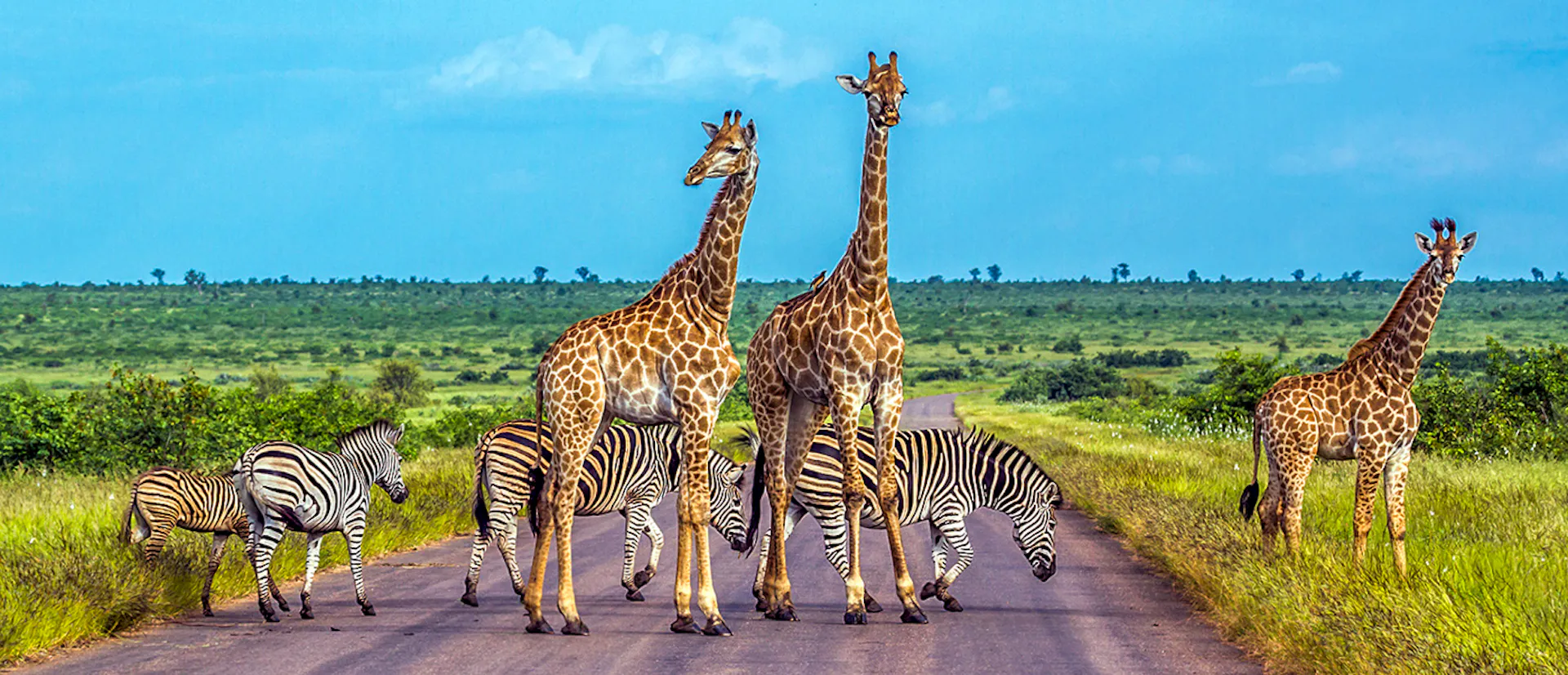
South Africa boasts an incredibly diverse climate, from Mediterranean conditions in the southwest to subtropical humidity on the east coast and arid expanses inland. Understanding these regional variations and seasonal shifts is key to planning an unforgettable backpacking adventure, ensuring you hit the sweet spot for your preferred activities, whether it's safari, beach time, or city exploration.

South Africa’s Seasons (Quick Version)
South Africa's vast size means its 'seasons' aren't uniform across the entire country. However, we can broadly categorise the year into three main periods, each offering unique experiences for backpackers.
- Summer Wet Season: This hot and often humid period brings lush landscapes and summer rainfall to the interior, while the Western Cape enjoys dry, sunny weather.
- Winter Dry Season: Characterised by cooler, dry days across much of the interior, offering prime safari conditions, though the Western Cape experiences its wet winter.
- Spring Transition: A warming period with increasing temperatures and less predictable weather, leading into the hot summer, often excellent for wildlife viewing as vegetation thins.
South Africa month by month, at a glance
Cape Town, where both our trips finish: average daytime high, and each month's rain against the wettest month. Kruger is the reverse, wet in summer and dry in winter.
Western Cape (Cape Town)
Highveld & Kruger (Johannesburg)
KwaZulu-Natal Coast (Durban)
Our South Africa trips
Here are the 2 trips we run in South Africa.
Month-By-Month: South Africa Weather
To truly get a handle on South Africa's climate, a month-by-month breakdown is essential. This detailed guide will help you pinpoint the ideal time for your specific backpacking itinerary.
South Africa Weather in January
Hot, wet interior, 26°C
January is peak summer, meaning hot and often humid conditions across much of the country. Expect daytime highs around 26°C in Johannesburg and above 30°C in Kruger, with frequent afternoon thunderstorms bringing heavy, short-lived rain. The Western Cape, including Cape Town, however, is beautifully dry and sunny, with temperatures around 26°C, perfect for beaches and outdoor activities. Sea temperatures are warm, making it ideal for coastal exploration.
Along the KwaZulu-Natal coast, like Durban, January is hot and humid, with average temperatures around 28°C and significant rainfall. This makes it less ideal for extensive hiking but great for beach lounging if you don't mind the humidity and occasional downpour.
South Africa Weather in February
Hot, humid, 25°C
Still firmly in summer, February continues the trend of hot and often humid weather. Daytime highs are around 25°C on the Highveld around Johannesburg and 31°C in Kruger, with continued summer rainfall and vibrant, green landscapes. Cape Town and the Western Cape remain dry and sunny, with pleasant temperatures around 27°C, making it excellent for exploring vineyards and coastal towns. It's a popular month, so expect crowds.
The Eastern Cape, including places like Gqeberha (Port Elizabeth), sees warm temperatures around 26°C and moderate rainfall, offering a good balance for both beach activities and exploring game reserves without the intense humidity of the northern coast.
South Africa Weather in March
Warm, fading rains, 24°C
As summer begins to wind down, March offers a pleasant transition. Daytime highs are around 24°C in Johannesburg and 30°C in Kruger, with rainfall starting to decrease, though occasional thunderstorms still occur. The Western Cape experiences lovely warm and dry weather, with average temperatures of 25°C, making it a fantastic time for hiking Table Mountain or exploring the Garden Route before the winter rains arrive. Humidity generally drops slightly.
The Northern Cape, including the arid Kgalagadi Transfrontier Park, remains very hot, often exceeding 30°C, but with minimal rainfall, making it challenging for backpacking due to extreme heat, though wildlife viewing at waterholes is possible.
South Africa Weather in April
Mild, pleasant, 21°C
April is often considered one of the best months to visit, offering mild and pleasant weather across much of the country. Daytime highs are around 21°C in Johannesburg and 28°C in Kruger, with significantly reduced rainfall, creating ideal conditions for safaris. Cape Town and the Western Cape are still warm and mostly dry, around 22°C, perfect for outdoor activities before the onset of winter. The clear skies are excellent for photography.
The Drakensberg Mountains begin to cool, with daytime temperatures around 20°C. Rainfall is moderate, and the landscape is still green from summer, offering good hiking opportunities before the colder, drier winter months set in.
South Africa Weather in May
Cooler, dry interior, 19°C
May marks the start of the dry winter season for the interior. Johannesburg and Kruger see dry days with highs around 19°C and 27°C respectively, and virtually no rain, making it an excellent time for game viewing as vegetation thins. Cape Town, however, begins its wet winter, with temperatures around 20°C and increasing rainfall, though sunny days are still common. Ocean temperatures cool, but surfing is popular.
Along the Wild Coast in the Eastern Cape, May brings mild temperatures around 20°C with moderate, decreasing rainfall. It's a quieter time to visit, offering serene coastal hikes and cultural experiences without the summer crowds.
South Africa Weather in June
Cool, dry, 16°C
June is the heart of winter for most of South Africa. The Highveld is cool and dry, with daytime highs around 16°C in Johannesburg and cold nights; Kruger, lower and further north, still reaches about 25°C by day. There is very little rain in either. This is prime safari season, offering excellent visibility. Cape Town is cool and wet, with daytime highs around 18°C and significant rainfall, though clear, crisp days do occur. Backpackers should pack warm layers.
The Karoo desert regions, like Graaff-Reinet, experience cold, dry winters, with daytime temperatures around 18°C but often dropping below freezing at night. This stark, clear weather provides dramatic landscapes for stargazing, but requires serious cold-weather gear.
South Africa Weather in July
Cold, dry interior, 16°C
July is typically the coldest month. Johannesburg's daytime highs are around 17°C and Kruger's around 25°C, with dry, sunny skies, perfect for safaris. Nights can be frosty, so warm clothing is essential. Cape Town remains cool and wet, with daytime highs around 18°C and high rainfall, making indoor activities more appealing. Whale watching season begins along the coast, offering spectacular sights.
The KwaZulu-Natal coast, including Durban, is in its mildest, driest season, with pleasant daytime highs around 23°C and little rain. This makes it a surprisingly good time for coastal activities, offering a warm escape from the colder interior and Western Cape.
South Africa Weather in August
Cool, warming up, 20°C
As winter draws to a close, August sees temperatures slowly begin to rise. Johannesburg reaches about 20°C during the day and Kruger about 27°C, remaining very dry, which is still excellent for safari viewing as animals congregate at dwindling water sources. Cape Town is still cool and wet, with daytime highs around 18°C, but the frequency of rainfall starts to decrease. Spring flowers begin to bloom in the Northern Cape.
The Drakensberg Mountains are still cold, with temperatures around 15°C, and may even see snow on higher peaks. Hiking is possible but requires appropriate gear for cold conditions, and some routes might be inaccessible.
South Africa Weather in September
Warm, dry, 22°C
September ushers in spring, bringing warmer temperatures and increasingly dry conditions across most of the country. Johannesburg reaches a pleasant 23°C and Kruger around 29°C, with very little rain, making it a fantastic month for safaris before the summer heat and rains. Cape Town starts to warm up, with temperatures around 19°C and significantly reduced rainfall, perfect for outdoor exploration and enjoying the blooming fynbos. It's an ideal shoulder season month.
The Namaqualand region in the Northern Cape transforms into a vibrant carpet of wildflowers, attracting visitors. While temperatures can still be cool, the spectacle is worth the visit, contrasting sharply with the dry conditions elsewhere.
South Africa Weather in October
Warm, pre-rain, 24°C
October is a beautiful month, with warmth spreading across South Africa before the full onset of summer rains. Daytime highs reach about 25°C in Johannesburg and 30°C in Kruger, with occasional early summer showers beginning towards the end of the month. Cape Town is warm and mostly dry, around 20°C, offering perfect beach and city exploring weather. It's a great time for backpacking, balancing pleasant weather with fewer crowds than peak summer.
The Garden Route experiences lovely mild weather, with temperatures around 22°C and moderate rainfall. This makes it an excellent time for hiking, exploring coastal towns, and enjoying the diverse natural beauty before the busy holiday season.
South Africa Weather in November
Hot, summer rains begin, 26°C
November sees the start of summer proper, with rising temperatures and the return of summer rainfall to the interior. Johannesburg reaches daytime highs around 25°C and Kruger around 31°C, with increasing thunderstorms, making the landscape lush and green. Cape Town is warm and dry, around 24°C, ideal for beach activities and wine tasting. It's a transitional month, offering good value before the peak season crowds arrive.
The Limpopo province, bordering Kruger, becomes hot and humid, with temperatures often exceeding 28°C and frequent afternoon rains. While challenging for some, this lush period is excellent for birdwatching and seeing newborn animals.
South Africa Weather in December
Hot, peak season, 27°C
December is peak summer and holiday season in South Africa. Expect hot conditions across the country. Johannesburg averages 26°C by day and Kruger over 30°C, with regular afternoon thunderstorms contributing to a vibrant, green environment. Cape Town is hot and dry, around 25°C, making it extremely popular for beaches and outdoor events, but also very crowded and expensive. Booking well in advance is crucial for this month.
The Wild Coast is hot and humid, with temperatures around 25°C and significant rainfall. While the beaches are beautiful, the high humidity and occasional downpours can make extended outdoor activities less comfortable, though it's a lively time for local festivities.
Regional Weather Differences
South Africa's diverse geography means that weather can vary significantly from one region to another. Understanding these differences is crucial for planning a multi-faceted backpacking trip.
- Western Cape (Cape Town & the Winelands): This region has a Mediterranean climate, with dry, hot summers (Nov-Mar) perfect for beaches and vineyards, and wet, cool winters (Jun-Aug) ideal for cosying up by a fire. The Garden Route, further east, is different: it gets rain in every season, so it has no bad month and no guaranteed dry one either.
- Highveld & Kruger (Johannesburg & Safari Parks): Characterised by hot, wet summers (Nov-Mar) with afternoon thunderstorms and cool, dry winters (May-Aug) offering prime safari conditions due to sparse vegetation and less water.
- KwaZulu-Natal Coast (Durban & East Coast): This subtropical coast is warm and humid year-round, with hot, wet summers (Nov-Mar) and mild, drier winters (Jun-Aug), making it a popular beach destination.
Best Time to Visit South Africa
For a comprehensive backpacking trip covering diverse experiences, the shoulder seasons of April-May or September-October are often ideal. These months offer a balance of pleasant temperatures across most regions, reduced rainfall in the interior for excellent safaris, and still-enjoyable conditions in the Western Cape before or after its peak wet season. If safaris are your priority, June-August is unbeatable for wildlife viewing, despite the colder nights. For beach lovers focusing on Cape Town, November-March is your window.
Which Trip, and When?
Both our South Africa trips start in Johannesburg with Kruger and finish in Cape Town, so they cross the two opposite rainfall regions in the chart above. Backpacking South Africa (12 days) adds Soweto, the Panorama Route, Eswatini and Zulu country before flying to Cape Town for Table Mountain and the Cape Peninsula. Safari & Garden Route (11 days) flies from Kruger to Gqeberha and drives the Garden Route through Jeffreys Bay, Storms River, Knysna and Oudtshoorn to Cape Town.
For the safari alone, May to September is best: dry bush, thin cover and animals drawn to water, though Cape Town is then in its wet winter. For the whole trip, September to November and April to May are the sweet spot, when Kruger is still dry or only starting its rains and the Cape is warm and mostly dry. December to February brings the Cape's best beach weather, and Kruger's hottest, greenest and wettest weeks.
- See all our South Africa trips.
Ready to see South Africa for yourself? Let's go!
We run 2 trips in South Africa, and 31 more countries besides. Your next adventure is waiting.