
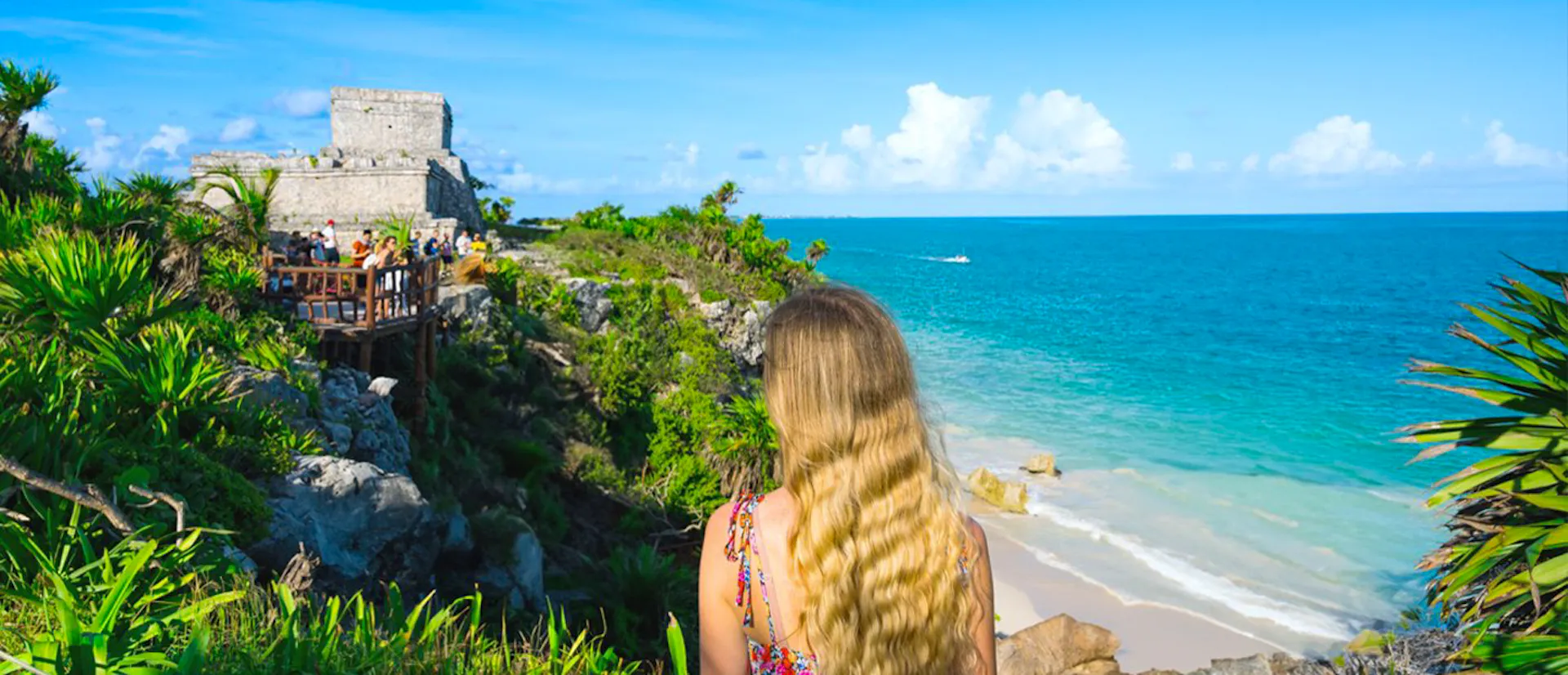
Mexico's diverse landscapes mean a varied climate, from tropical coasts to temperate highlands. Understanding these patterns is key to an incredible backpacking adventure, ensuring you hit the beaches when it's sunny and avoid the heaviest rains in the mountains. Timing your trip right can make all the difference, whether you're exploring ancient ruins or surfing the Pacific waves.



Mexico’s Seasons (Quick Version)
Mexico experiences distinct seasons that significantly impact travel conditions. Generally, you'll find a dry, pleasant period, a hot and humid transition, and a rainy season, each offering a different facet of this vibrant country.
- Dry & Pleasant Season: This is Mexico's peak season, offering abundant sunshine, lower humidity, and comfortable temperatures perfect for exploring both coasts and highlands.
- Hot & Transitional Season: Temperatures rise significantly, especially on the coasts, with increasing humidity and the occasional pre-monsoon shower, particularly towards the end of this period.
- Wet & Humid Season: Expect frequent afternoon downpours, high humidity, and lush green landscapes across much of the country, with hurricane risk on both coasts.
Mexico month by month, at a glance
The Caribbean coast (Cancún, Holbox, Tulum): average daytime high, and each month's rain against the wettest month.
Caribbean Coast
Pacific Coast
Central Highlands
Our Mexico trips
Here are the 3 trips we run in Mexico.

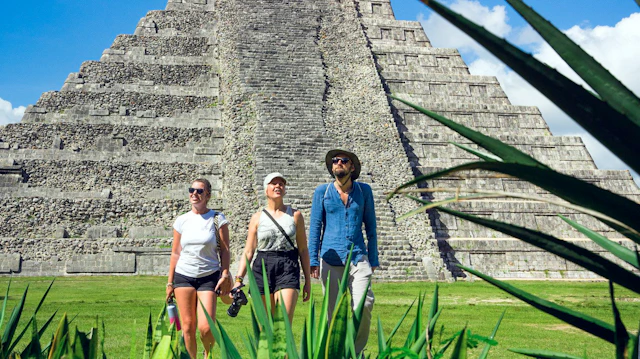

Month-By-Month: Mexico Weather
To help you plan your ultimate backpacking trip, here's a detailed breakdown of what to expect month by month across Mexico's varied climate zones.
Mexico Weather in January
Excellent, dry, around 25°C
January is a fantastic month to backpack Mexico. Days are typically sunny and dry with average daytime temperatures around 25°C, making it ideal for exploring ancient sites like Chichen Itza or relaxing on the beaches of Tulum. Humidity is low, skies are clear, and the sea is warm and inviting for swimming and snorkeling along the Caribbean coast.
In the Central Highlands, like Mexico City or San Miguel de Allende, evenings can be cool, dropping to 10-12°C, so pack layers. The Pacific coast around Oaxaca also enjoys beautiful, dry weather, perfect for surfing or enjoying the vibrant culture.
Mexico Weather in February
Excellent, dry, around 26°C
February continues the excellent conditions of January, with average daytime temperatures hovering around 26°C. It's still very dry with abundant sunshine across the country, making it a prime time for beach activities in Puerto Vallarta or exploring the colonial charm of San Cristobal de las Casas. Sea conditions are calm and perfect for water sports.
Expect slightly warmer conditions on the Pacific coast compared to the Caribbean, though both are experiencing their dry season. In central regions, the days are comfortably warm, but nights remain cool, ensuring pleasant sleeping conditions after a day of sightseeing.
Mexico Weather in March
Great, getting warmer, 28°C
March sees temperatures start to climb, averaging around 28°C, especially towards the end of the month. It remains largely dry with plenty of sunshine, though humidity might begin to creep up slightly on the coasts. This is a popular time for Spring Break, so expect larger crowds and higher prices in popular beach destinations like Cancun and Playa del Carmen.
While the Caribbean coast is bustling, the Pacific coast around Puerto Escondido offers great surfing conditions with consistent swells. In the Central Highlands, days are warm and sunny, ideal for hiking, with minimal rainfall and comfortable, cool evenings.
Mexico Weather in April
Hot & Dry, around 30°C
April is one of the hottest and driest months across much of Mexico, with average daytime temperatures often reaching 30°C or higher, particularly on the coasts. While sunshine is abundant, the heat can be intense, especially in the afternoon. It's still a good time for diving in Cozumel before the rains, but be prepared for strong sun and stay hydrated.
The Central Highlands also experience their warmest temperatures of the dry season, making early morning and late afternoon exploration preferable. Crowds start to thin out after Easter, offering a slightly more relaxed atmosphere in places like Guanajuato and San Miguel de Allende.
Mexico Weather in May
Very Hot, Humid, 32°C
May marks the transition to the wet season, bringing very hot and increasingly humid conditions, with average daytime temperatures around 32°C. Afternoon showers become more frequent, especially towards the end of the month, providing some relief from the heat. The Caribbean Sea remains warm, but skies can be partly cloudy.
On the Pacific coast, particularly around Puerto Vallarta, the humidity really starts to climb, and afternoon thunderstorms are common. In contrast, the Central Highlands begin to see their first significant rains, which often clear by evening, leaving fresh, cooler air for exploring Mexico City.
Mexico Weather in June
Hot, Rainy, around 30°C
June is firmly in the wet season, characterized by hot temperatures averaging 30°C and daily afternoon downpours across much of the country. These rains are often heavy but brief, leaving plenty of sunshine before and after. The landscape becomes incredibly lush and green, and tourist crowds are significantly smaller in places like Palenque and Oaxaca.
The Yucatan Peninsula experiences high humidity and consistent afternoon storms, though mornings are often clear for beach activities. The Pacific coast, particularly in states like Jalisco and Guerrero, sees heavier and more prolonged rainfall, making some outdoor activities challenging.
Mexico Weather in July
Warm, Rainy, 29°C
July brings continued warm temperatures, averaging 29°C, and consistent rainfall, mostly in the form of afternoon thunderstorms. Humidity remains high. While it's the rainy season, mornings are frequently sunny, allowing for exploration of archaeological sites or jungle treks before the heavens open. Sea temperatures are very warm.
In the Central Highlands, July is one of the wettest months, with daily afternoon and evening showers that can sometimes be intense. However, the cooler temperatures here make it more comfortable than the humid coasts. Festivals are common, even with the rain.
Mexico Weather in August
Warmest, Very Rainy, 29°C
August is typically one of the warmest and wettest months, with average daytime temperatures around 29°C and high humidity. Expect daily heavy downpours, often in the late afternoon or evening, which can sometimes last for several hours. This is peak hurricane season for both coasts, so monitoring weather forecasts is crucial, especially for coastal areas like Isla Holbox.
The Pacific coast, from Oaxaca to Baja California Sur (though Baja is generally drier), experiences significant rainfall. In contrast, while the Central Highlands are also wet, the rain often brings a refreshing coolness, and mornings are frequently clear and pleasant for exploring markets and museums.
Mexico Weather in September
Wettest, Humid, 28°C
September is generally the wettest month across much of Mexico, with average daytime temperatures around 28°C and very high humidity. Heavy, prolonged rains are common, and the risk of hurricanes on both the Caribbean and Pacific coasts is at its peak. While fewer tourists mean lower prices, be prepared for significant weather disruptions, particularly in coastal areas like Tulum.
The Central Highlands, including Mexico City, experience frequent and often heavy rains, but these rarely disrupt travel entirely. It's a quieter month for tourism, offering a chance to experience local life and festivals without the crowds. Inland destinations are generally safer from hurricane impacts.
Mexico Weather in October
Humid, Rains Receding, 28°C
October sees the rainy season begin to recede, though humidity remains high and average daytime temperatures are still around 28°C. Afternoon showers become less frequent and intense towards the end of the month, and skies start to clear more consistently. It's a transitional month, with improving weather and fewer crowds before peak season.
The Caribbean coast is the exception: October is often Cancún's wettest month and it is still hurricane season, so Tulum, Holbox and Bacalar are at their best from November. On the Pacific coast, rainfall decreases significantly, and the ocean is still warm for swimming, though some areas may still be recovering from earlier storms.
Mexico Weather in November
Great, dry, around 26°C
November marks the official start of Mexico's dry season, bringing wonderfully pleasant conditions with average daytime temperatures around 26°C. Humidity drops significantly, and skies are predominantly clear and sunny. It's an excellent month for backpacking, with comfortable weather for exploring ancient ruins, hiking, or enjoying the beaches of Riviera Maya before the peak crowds arrive.
The Pacific coast, including destinations like Sayulita, enjoys near-perfect weather for surfing and beach relaxation. In the Central Highlands, the air is crisp and clear, with cool nights and sunny days, perfect for exploring vibrant cities like Oaxaca without the intense heat or rain.
Mexico Weather in December
Excellent, dry, around 25°C
December offers some of the best weather conditions in Mexico, with average daytime temperatures around 25°C, low humidity, and abundant sunshine. It's a prime month for travel, perfect for exploring archaeological sites, relaxing on the pristine beaches of Holbox, or enjoying vibrant city life. However, it's also peak tourist season, especially around Christmas and New Year's, leading to higher prices and larger crowds.
The Caribbean coast is bustling with activity, offering clear waters for diving and snorkeling. The Pacific coast is equally inviting, and the whale season off Baja California begins from mid-December. Central Mexico is cool and dry, providing ideal weather for exploring colonial cities and enjoying holiday festivities.
Regional Weather Differences
Mexico is a vast country, and its climate varies significantly by region. Understanding these differences will help you pinpoint the best time for your specific backpacking itinerary, whether you're chasing waves, exploring ancient cities, or hiking through mountains.
- Caribbean Coast (Yucatan Peninsula): Expect hot and humid conditions year-round, with a distinct dry season (November to May) ideal for beaches and ruins, and a wet season (June to October) with afternoon showers.
- Pacific Coast (Oaxaca, Jalisco): Generally hot, with a dry season (November to May) perfect for surfing and beach towns, and a wet season (June to October) bringing heavier rains than the Caribbean.
- Central Highlands (Mexico City, San Miguel de Allende): Enjoy a more temperate climate with cooler nights; the dry season (November to April) is pleasant, while the wet season (May to October) brings refreshing afternoon showers.
Best Time to Visit Mexico
For most backpackers, the dry season from November to April offers the most comfortable and reliable weather across Mexico, with abundant sunshine and lower humidity. If you're looking to avoid crowds and don't mind occasional afternoon showers, the shoulder months of May, June, and October can still be great value, especially in the highlands, just be mindful of the heat and humidity on the coasts.
Which Trip, and When?
Backpacking Mexico (14 days) spends its first week in the highlands, Mexico City, Puebla, Oaxaca, Tehuantepec, the Sumidero Canyon and San Cristóbal, then flies to Cancún for Isla Holbox, Playa del Carmen, Chichén Itzá and Tulum. From November to April the highlands are dry and sunny with cool nights, and the Caribbean is at its best; September and October are the months to avoid on the coast.
Mexico is also where our Central America trips begin, before crossing into Belize and Guatemala. The Central America weather guide covers the rest of that route.
- See all our Mexico trips.
Ready to see Mexico for yourself? Let's go!
We run one trip in Mexico, and 31 more countries besides. Your next adventure is waiting.