
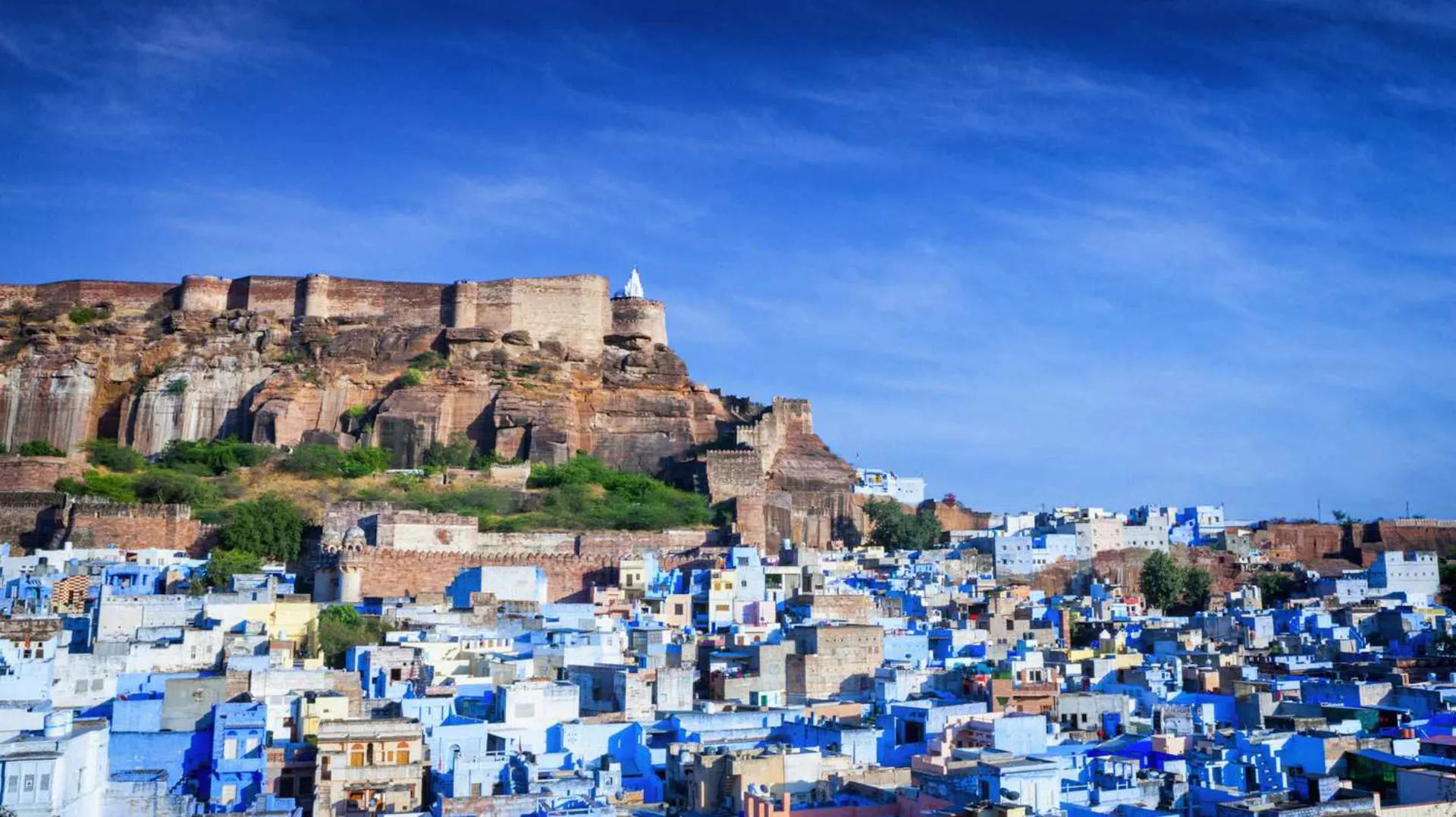
India's immense size means its climate varies dramatically from region to region and season to season. For backpackers planning an adventure, understanding these weather patterns is crucial to ensure a comfortable and memorable trip, whether you're trekking in the Himalayas or relaxing on a Goan beach. Timing your visit wisely will help you avoid extreme heat, heavy monsoon rains, or unexpected cold snaps.



India’s Seasons (Quick Version)
India experiences three primary seasons, each offering a distinct travel experience. Understanding these broad patterns is the first step to planning your backpacking adventure across this incredibly diverse country.
- Cool, Dry Season: This is generally considered the most pleasant time to visit much of India, with comfortable temperatures and clear skies perfect for exploration.
- Hot, Dry Season: Temperatures soar across the plains during this season, making it challenging for extensive travel, though cooler mountain regions offer a welcome escape.
- Monsoon Season: The monsoon brings much-needed relief from the heat, transforming the landscape into lush green, but also bringing heavy rainfall and high humidity to most regions.
India month by month, at a glance
Delhi and the northern plains, where our India trips run: average daytime high, and each month's rain against the wettest month.
Northern Plains (Delhi)
Southern Peninsula (Chennai)
Western Coast (Mumbai)

Month-By-Month: India Weather
Diving deeper, India's weather can vary significantly month-by-month, even within the same season. Here's a detailed breakdown to help you pinpoint the ideal time for your specific travel plans.
India Weather in January
Excellent, cool, around 20°C
January is a fantastic month for backpacking across most of India. Northern plains like Delhi and Rajasthan are cool and dry, with daytime highs around 20-23°C and clear skies. Southern regions such as Kerala and Goa enjoy dry heat at 30-32°C, perfect for beaches and cultural tours. Humidity is low nationwide, and rainfall is minimal, making it ideal for outdoor activities and sightseeing.
In the Himalayan foothills, January can be quite cold with snow, drawing winter sports enthusiasts to places like Manali. Conversely, the far south experiences its driest period, offering perfect conditions for exploring temples and backwaters without the crowds of peak season.
India Weather in February
Excellent, pleasant, around 25°C
February continues to be an excellent month, with temperatures gradually rising. Northern India sees comfortable daytime highs of 20-25°C, making it perfect for exploring cities like Varanasi or the forts of Rajasthan. In the south, coastal areas like Goa and Chennai are warm at 28-32°C, with gentle sea breezes. Humidity remains low, and dry weather prevails across most of the country.
While the plains warm up, the Western Ghats offer pleasant, slightly cooler conditions for hiking. This month also sees fewer major festivals than January, meaning slightly lighter crowds at popular tourist spots, particularly in central India.
India Weather in March
Good, warming, around 30°C
March marks the start of the hot season, with temperatures steadily climbing. Northern plains, including Delhi and Agra, can reach 30-35°C, so early mornings are best for sightseeing. Southern states like Karnataka and Tamil Nadu are hotter, often exceeding 35°C. While generally dry, humidity begins to rise slightly, particularly in coastal areas. It's still good for mountains.
The Himalayan regions like Sikkim and Himachal Pradesh begin to emerge from winter, offering pleasant, cool weather for trekking, typically around 15-20°C. Rajasthan's desert warms quickly, to 30-33°C by late March, so the dunes are at their most comfortable earlier in the season.
India Weather in April
Challenging, hot, around 35°C
April is one of the hottest months across much of India. Temperatures in the northern plains frequently exceed 38°C, making travel uncomfortable. Even southern cities are hot: around 38°C in Hyderabad and 34°C in Bengaluru. Humidity increases, especially along the coasts, and pre-monsoon showers can occur sporadically, offering brief relief. It's generally not the best time for extensive travel.
The hill stations of Uttarakhand and Himachal Pradesh become popular retreats, offering significantly cooler temperatures (20-25°C) and clear mountain air. Meanwhile, coastal areas like Mumbai and Goa experience increasing humidity and the occasional thunderstorm, hinting at the approaching monsoon.
India Weather in May
Very Challenging, scorching, over 40°C
May is typically the hottest month in India, with temperatures often soaring above 40°C in the northern and central plains. Even coastal cities like Chennai and Kolkata endure extreme heat and rising humidity, feeling oppressive. Pre-monsoon showers become more frequent and sometimes intense, especially in the south and east. Backpacking is very challenging, often requiring siestas during the day.
The Northeastern states, like Assam and Meghalaya, begin to receive significant pre-monsoon rainfall, making lush landscapes but also muddy conditions. Conversely, the high Himalayas are still relatively dry and cool, making it a good time for high-altitude treks before the full monsoon arrives.
India Weather in June
Wet, monsoon arrives, around 30°C
The southwest monsoon reaches Kerala around 1 June and spreads north through the month, bringing substantial rainfall and easing temperatures to around 30-33°C where it has arrived. The west coast (Goa, Kerala) gets heavy downpours that turn the landscape a vibrant green. Delhi and the northern plains usually see the monsoon only at the very end of June, so most of the month there is very hot, near 39°C, and increasingly humid. Sea conditions become rough, making beach activities unsafe.
While the west and south are getting drenched, parts of Rajasthan and the far north (Ladakh) remain relatively dry, offering a window for desert or high-altitude mountain adventures. However, even these regions will see increased humidity and occasional showers by late June.
India Weather in July
Very Wet, peak monsoon, around 28°C
July is the peak of the monsoon season for most of India. Heavy and continuous rainfall is common across the northern plains, central India, and the west coast, with temperatures hovering around 28-32°C. Humidity is very high. Travel can be disrupted by floods and landslides, especially in hilly areas. Visibility is often reduced, making sightseeing challenging.
The rain shadow regions, particularly parts of Tamil Nadu and interior Karnataka, receive comparatively less rain than the west coast, though they are still humid. Ladakh, in the far north, remains one of the driest places and is an excellent destination for trekking during this time.
India Weather in August
Wet, monsoon continues, around 28°C
The monsoon continues its reign through August, with widespread heavy rainfall across most of India. Temperatures remain consistent with July, around 28-32°C, and humidity is persistently high. While the landscapes are incredibly lush and green, outdoor activities are often limited. Waterfalls are at their most spectacular, but travel can still be prone to delays and disruptions.
The Northeast, particularly states like Meghalaya, experiences some of the highest rainfall on Earth, making travel extremely difficult. In contrast, the Spiti Valley in Himachal Pradesh, being a high-altitude desert, offers relatively dry conditions and stunning views, attracting adventurous travellers.
India Weather in September
Wet to Pleasant, monsoon receding, around 30°C
September sees the monsoon beginning to retreat from northern India, with rainfall becoming less intense and more sporadic. Temperatures average 28-32°C. The air starts to feel fresher post-rain, and landscapes are vibrantly green. Southern India, especially the southeast coast, may still experience significant rainfall as the monsoon shifts. Outdoor activities slowly become more feasible.
The Himalayan regions become particularly beautiful as the skies clear and lush greenery abounds, making it a prime time for trekking in places like Uttarakhand. Meanwhile, the Bay of Bengal coast (like Chennai) gets regular thunderstorms, but its main wet season, the northeast monsoon, only arrives in the second half of October.
India Weather in October
Excellent, pleasant, around 28°C
October is a fantastic transition month, as the monsoon fully withdraws from most of northern and central India. Days are still warm, around 30-33°C in Delhi and Rajasthan early in the month, but humidity falls and the skies clear. It's an ideal time for exploring Rajasthan, Delhi, and Varanasi. Southern India, particularly the southeast coast (Tamil Nadu), experiences its own 'Northeast monsoon', bringing rain to those areas. Festivities often abound.
While north and central India enjoy dry, comfortable weather, the eastern coastal regions and parts of the south, like Chennai and Pondicherry, receive moderate to heavy rainfall due to the Northeast monsoon. This creates a stark contrast in travel conditions across the country.
India Weather in November
Excellent, cool, around 25°C
November is widely considered one of the best months to visit India. The weather is consistently cool and dry across the northern plains, with daytime highs of 25-29°C. Humidity is low, and skies are clear, perfect for all types of sightseeing and outdoor adventures. Southern states like Goa and Kerala also enjoy pleasant, warm conditions, ideal for beaches and backwaters. Crowds begin to pick up.
The northeast monsoon continues to affect the southeastern coast, meaning places like Chennai and parts of Sri Lanka can still experience significant rainfall. However, the Western Ghats and central India are in their prime, offering clear skies and comfortable trekking conditions.
India Weather in December
Excellent, cool, around 20°C
December offers superb weather for backpacking across almost all of India. Northern India, including Rajasthan and Delhi, has cool, crisp days at 20-25°C and chilly nights. Southern regions like Goa, Kerala and Mumbai are warm and sunny, typically 30-33°C, with low humidity. It's peak tourist season, so expect larger crowds and higher prices, especially around popular destinations and holidays.
While the plains are cool and dry, the Himalayan regions become very cold, with heavy snowfall in higher altitudes, attracting winter sports lovers. The far south, particularly Tamil Nadu, sees a significant reduction in rainfall from the northeast monsoon, leading to drier, pleasant conditions by month-end.
Regional Weather Differences
India's vast geography means that weather can vary dramatically from one region to another. Understanding these local patterns is key to planning a seamless backpacking itinerary.
- Northern Plains (Delhi, Rajasthan, Varanasi): Best visited during the cool, dry season (November to February) to avoid extreme heat and monsoon rains.
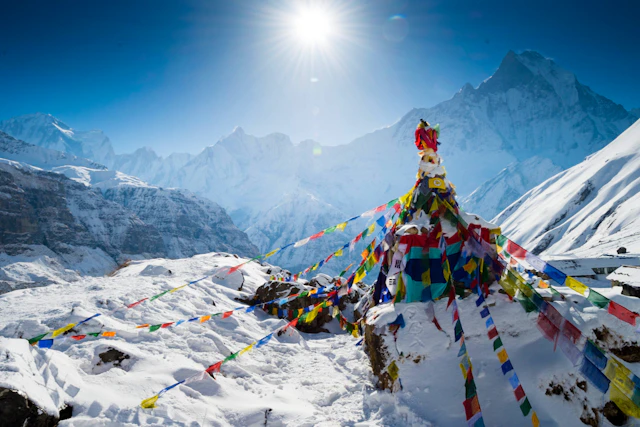
- Himalayan Foothills (Himachal Pradesh, Uttarakhand): Ideal in spring (March to May) or post-monsoon (September to October) for trekking, avoiding the harsh winter and heavy monsoon.
- Western Coast (Mumbai, Goa, Kerala): Perfect from October to March for beaches and backwaters, as the monsoon brings heavy rainfall from June to September.
- Southern Peninsula (Bengaluru, Chennai, Hyderabad): Generally good from October to March, but note that the southeast coast experiences its monsoon later, from October to December.
Best Time to Visit India
For most backpackers, the cool, dry season from November to February is the absolute best time to visit India. Temperatures are pleasant, skies are clear, and conditions are ideal for exploring historical sites, relaxing on beaches, or embarking on desert safaris. If you're keen on trekking in the Himalayas, the shoulder months of March-April and September-October offer fantastic weather before and after the monsoon.
Which Trip, and When?
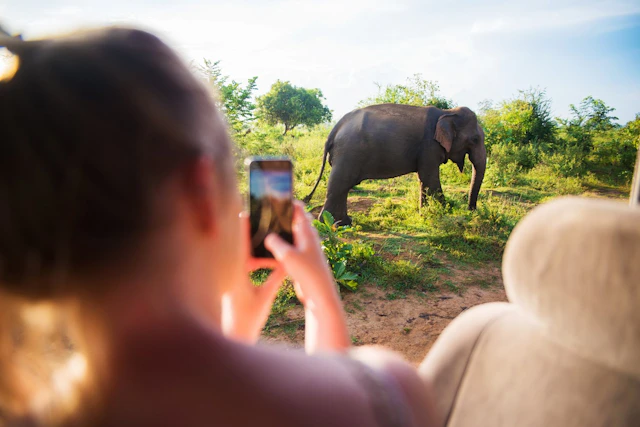
All our India trips run through the north, Delhi, Agra and Rajasthan, so the Northern Plains lines of this guide are the ones to read. Backpacking India (12 days) goes from Delhi to the Taj Mahal, Jaipur, Pushkar, Udaipur and Jodhpur. Backpacking India: Experience (13 days) adds desert glamping near Pushkar and a tiger safari in Ranthambore, and ends with sunrise at the Taj Mahal. Backpacking India & Nepal (18 days) follows the 12-day route and then flies to Kathmandu, Chitwan and Pokhara, and Backpacking India & Sri Lanka (24 days) pairs the Experience route with Sri Lanka's hill country and south coast.
October to March is the time to go: dry, clear and warm by day, with cold nights in the desert from December to February. April to June brings heat of 36 to 40°C in Delhi and Rajasthan, and July to September the monsoon. For the Nepal and Sri Lanka legs, see our Nepal and Sri Lanka weather guides.
- See all our India trips.
Ready to see India for yourself? Let's go!
We run 3 trips in India, and 31 more countries besides. Your next adventure is waiting.