
In short: No vaccine is compulsory for Sri Lanka unless you arrive from a country with yellow fever. The standard advice for travellers from the UK, Ireland, Europe, North America and Australia is: be up to date on your routine jabs, get hepatitis A and typhoid, and consider hepatitis B, rabies and Japanese encephalitis depending on your plans. There is no malaria, but dengue is real, so the mosquito advice matters as much as the needles.
| Vaccine | Who | Why |
|---|---|---|
| Routine (MMR, tetanus, diphtheria, polio) | Everyone | Check you are in date; a tetanus booster lasts ten years. |
| Hepatitis A | Everyone | Food and water; the most common travel infection in South Asia. |
| Typhoid | Everyone | Food and water, especially street food and rural stays. |
| Hepatitis B | Consider | Longer trips, medical work, tattoos, or any chance of a hospital visit. |
| Rabies | Consider | Street dogs and monkeys are everywhere; the course buys you time to reach treatment. |
| Japanese encephalitis | Consider | A month or more in rural areas, rice paddies, or travel in the monsoon. |
| Yellow fever | Only if arriving from a yellow fever country | A certificate is checked at immigration; not needed from Europe or Australia. |
| Malaria tablets | Not needed | Sri Lanka has been certified malaria-free since 2016. |
This is general guidance, not medical advice. Your GP or a travel clinic will tailor it to your health and your route, and the rules move, so check the official travel-health pages for your country before you book the appointment.
In this guide
- What is compulsory
- Recommended for everyone
- Worth considering
- Malaria, dengue and mosquitoes
- When and where to get them
- Staying healthy on the trip
What is compulsory
Only one thing: a yellow fever certificate if you arrive from, or spend more than twelve hours in transit through, a country where yellow fever is present, mostly in Africa and South America. Flying in from Europe, the Middle East, Asia or Australia, nothing is required at the border.
Recommended for everyone
- Routine vaccinations. Measles, mumps and rubella, and the combined tetanus, diphtheria and polio booster, which lasts ten years. Most adults had these as children and only need the booster checked.
- Hepatitis A. Spread through food and water and common across South Asia. One dose protects for a year and a second, six to twelve months later, for twenty years or more.
- Typhoid. Also food and water. One injection, or a course of capsules, protects for about three years. Worth it for anyone eating street food or staying outside the big hotels, which on our trips is everyone.
Worth considering
- Hepatitis B. Spread through blood and bodily fluids. Advised for longer stays, anyone who might need medical or dental treatment, tattoos, or a new relationship abroad. A course of three doses over a month or six.
- Rabies. Sri Lanka has rabies in its street dogs, and monkeys at temples and in the hill country will bite for a banana. The pre-exposure course does not remove the need for treatment after a bite, but it simplifies it and buys time to reach a hospital, which matters if you are on a beach a long way from Colombo.
- Japanese encephalitis. A mosquito-borne infection of rural rice-growing areas, worst in the monsoon. Advised for stays of a month or more in the countryside; most two-week trips do not need it, but ask.
- Cholera. Rarely advised for tourists; only for aid work or very basic conditions.
Malaria, dengue and mosquitoes
There is no malaria in Sri Lanka. The World Health Organization certified the country malaria-free in 2016 after three years without a local case, so antimalarial tablets are not needed. The mosquito problem is a different one: dengue fever is present across the island, worst in the wet seasons and in Colombo and the south-west, and chikungunya turns up in outbreaks. Neither has a vaccine on the NHS schedule, although a dengue vaccine is now available privately in some countries for people who have had dengue before.
The defence is the boring one. Dengue mosquitoes bite in the daytime, so repellent with 30 to 50 percent DEET in the morning and late afternoon, long light clothing at dusk, and a room with screens or a fan. It also happens to be the same advice that stops Japanese encephalitis.
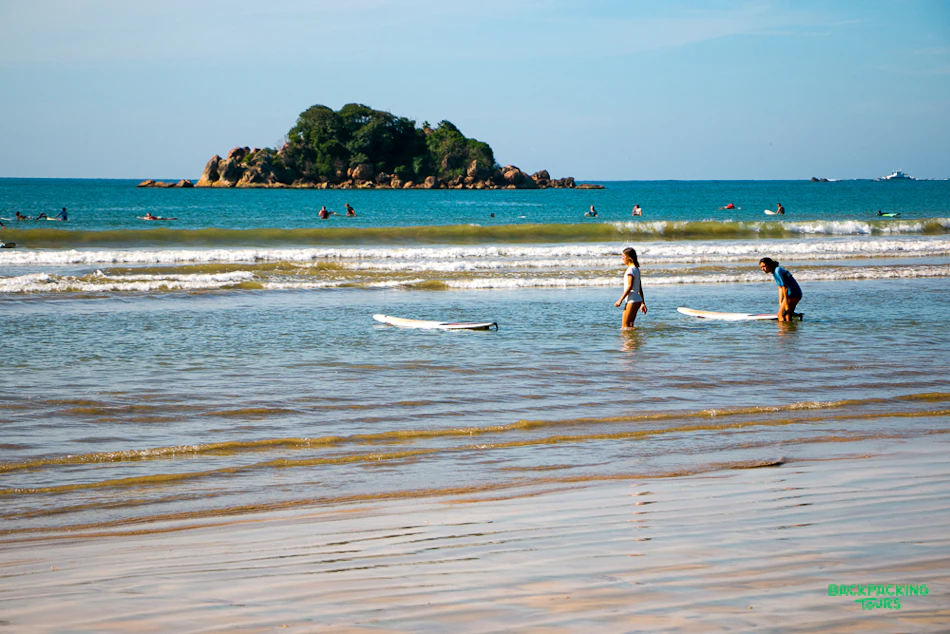
Our Sri Lanka trips
Here are the 10 trips we run in Sri Lanka.
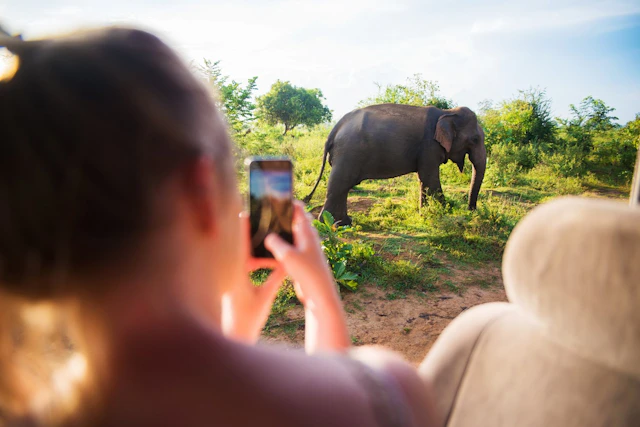 Multi CountryGroup TourBackpacking India & Sri LankaFrom$3455View Tour
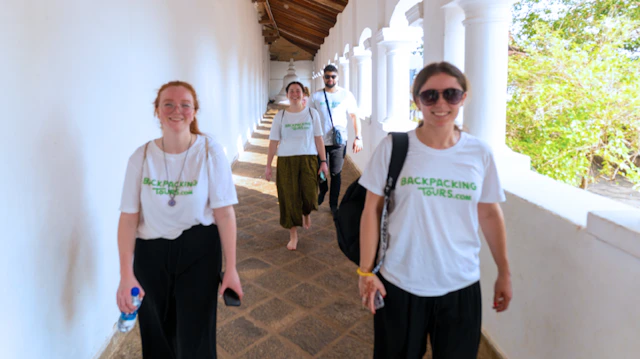 Sri LankaGroup TourBackpacking Sri LankaFrom$2769View Tour
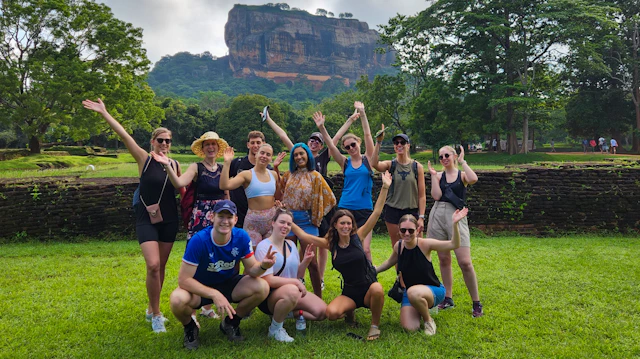 Sri LankaGroup TourBackpacking Sri Lanka: Express AdventureFrom$1849View Tour
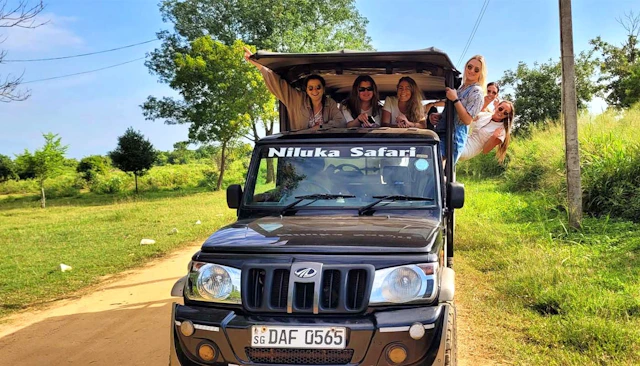 Sri LankaGroup TourBackpacking Sri Lanka: ExperienceFrom$1825View Tour
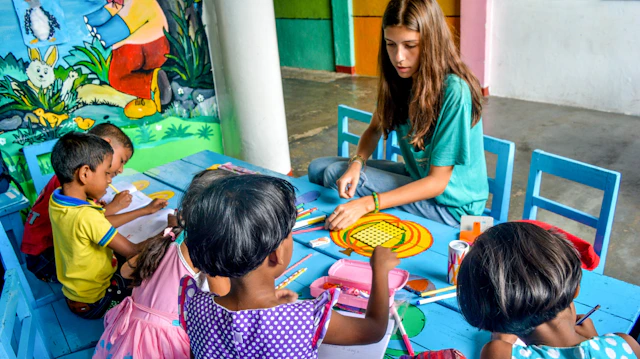 Sri LankaVolunteeringVolunteer Teaching: Sri LankaFrom$442per weekView Tour
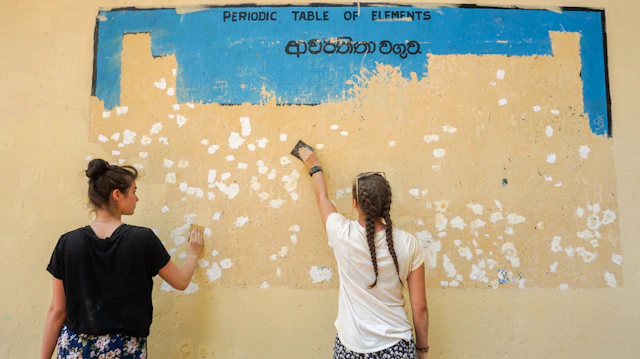 Sri LankaVolunteeringConstruction & Renovation: Sri LankaFrom$442per weekView Tour
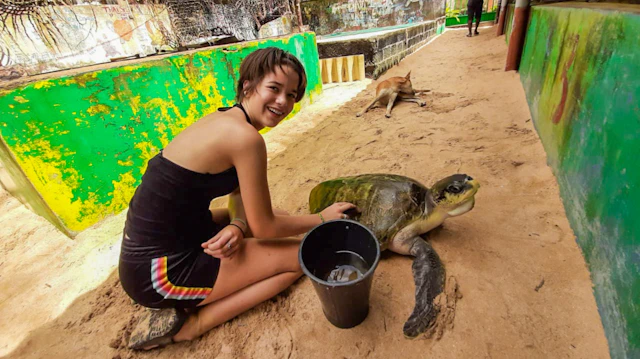 Sri LankaVolunteeringTurtle Conservation: Sri LankaFrom$570per weekView Tour
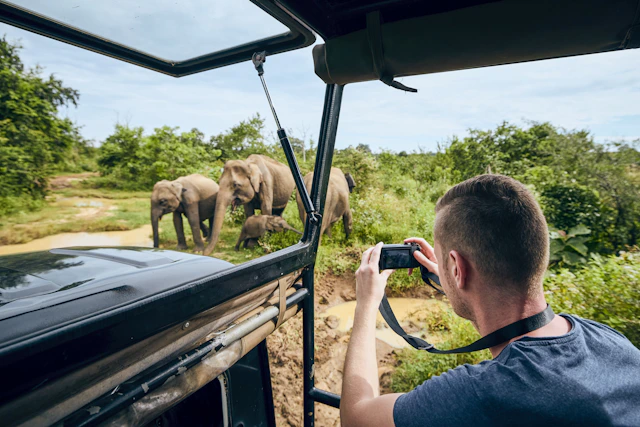 Sri LankaPrivateBeach & Safari: Sri LankaFrom$2019View Tour
 Sri LankaPrivateSri Lanka Express AdventureFrom$1299View Tour
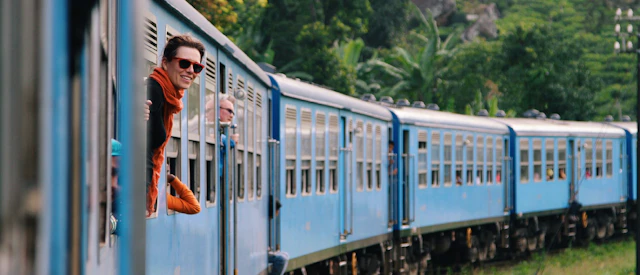 Sri LankaPrivateSri Lanka ExplorerFrom$3069View Tour
When and where to get them
- Book six to eight weeks before you fly. Hepatitis B and rabies are courses of several doses, and typhoid and hepatitis A need a couple of weeks to work.
- In the UK, hepatitis A, typhoid and the tetanus, diphtheria and polio booster are free on the NHS from your GP. Rabies, Japanese encephalitis and usually hepatitis B are paid for at a travel clinic.
- Elsewhere, a travel clinic or your doctor. Take your vaccination record; if you had a course years ago you may only need a booster.
- Keep the certificate with your passport, especially yellow fever if it applies to you.
Staying healthy on the trip
- Water: bottled or filtered only, including for brushing teeth. Ice in restaurants is normally made from treated water and is fine.
- Food: hot and freshly cooked is safe almost anywhere; that includes street food that is cooking in front of you. Salads and cut fruit washed in tap water are the usual culprits.
- Sun and heat: the island sits close to the equator. Drink more than you think, and take rehydration sachets for the day you get it wrong.
- Insurance:travel insurance with medical cover is not optional. Private hospitals in Colombo, Kandy and Galle are good and want a card or a guarantee up front.
- Bites: wash any animal bite or scratch immediately with soap and running water for fifteen minutes and get to a hospital for post-exposure treatment, vaccinated or not.
For the rest of the planning, our guides to Sri Lanka's weather, the Sri Lanka visa, backpacking Sri Lanka for the first time and which plug adapter you need cover the practical side.
Frequently asked questions
Do I need any vaccinations to enter Sri Lanka?
No, unless you are arriving from a country with yellow fever, in which case a certificate is checked. Everything else is recommended, not required.
Do I need malaria tablets for Sri Lanka?
No. Sri Lanka has been certified malaria-free since 2016.
Is there a dengue vaccine?
Not on the NHS. A dengue vaccine is licensed privately in some countries, mainly for people who have had dengue before. Ask a travel clinic; for most visitors the answer is repellent and long sleeves.
How long before travel should I get vaccinated?
Six to eight weeks is comfortable. Two weeks is the minimum for hepatitis A and typhoid to be effective.
Are the vaccines free in the UK?
Hepatitis A, typhoid and the tetanus, diphtheria and polio booster are free from your GP. Rabies, Japanese encephalitis and hepatitis B are usually charged for at a travel clinic.
Why book with Backpacking Tours?
We have run small-group Sri Lanka trips since 2013 with a local guide throughout, and health on the road is part of the briefing on day one. Transfers, accommodation and every listed activity are included, and the trip is held with a small deposit.
Ready to see Sri Lanka for yourself? Let's go!
We run 9 trips in Sri Lanka, and 31 more countries besides. Your next adventure is waiting.