
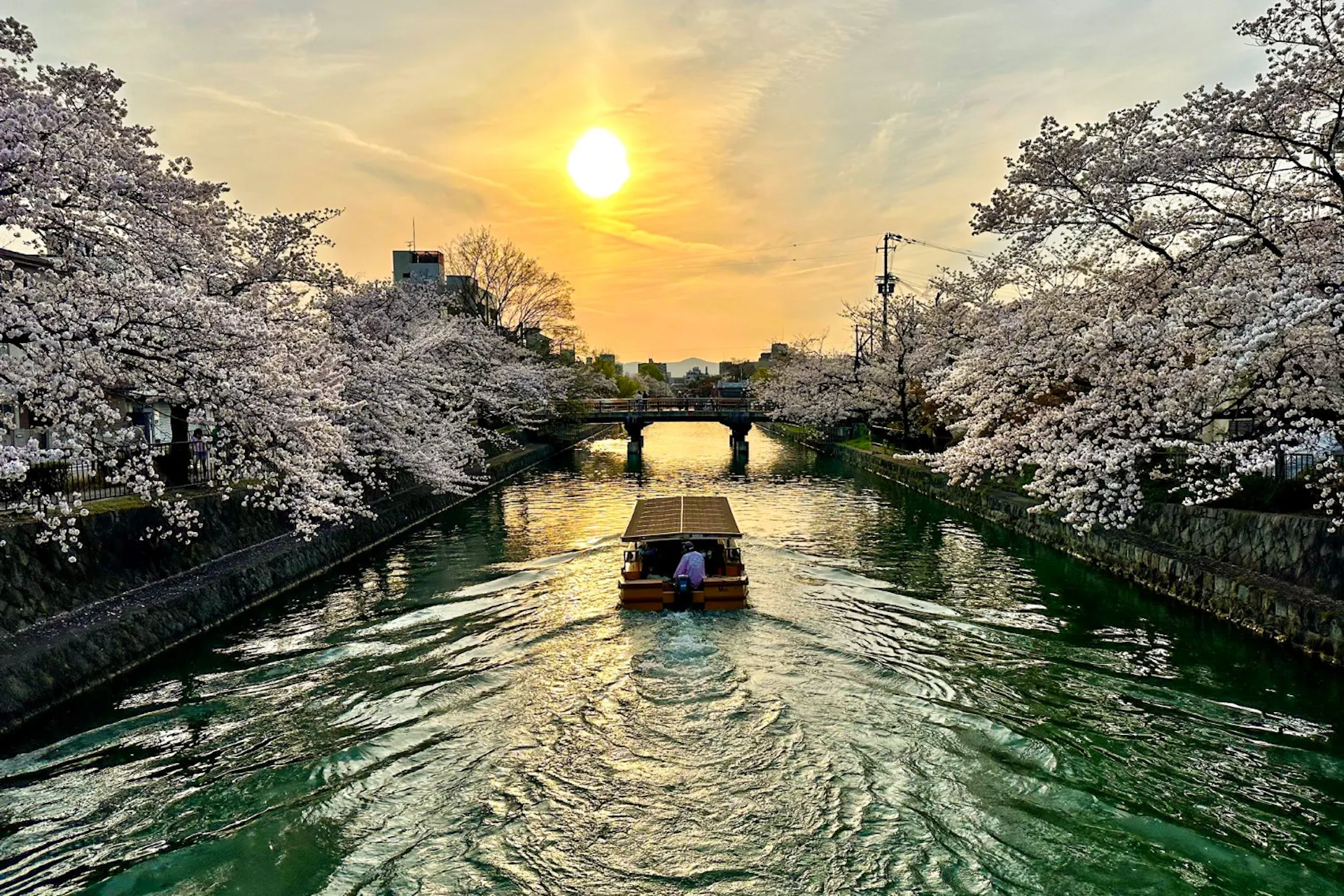
Japan's diverse geography means a surprisingly varied climate, from subtropical islands to snowy northern peaks. For backpackers, understanding these seasonal shifts is key to packing right, planning routes, and experiencing the country's incredible landscapes and culture without weather woes. Timing your visit can make all the difference to your adventure.

Japan’s Seasons (Quick Version)
Japan experiences four distinct seasons, each offering a unique charm for travellers. However, for backpackers, it's more practical to group them into three broader climate periods that significantly impact travel conditions and activities.
- Spring & Early Summer: This period brings pleasant, warming temperatures, iconic cherry blossoms, and generally comfortable conditions before the intense summer heat and humidity arrive.
- Summer & Typhoon Season: Expect high heat, significant humidity, the annual rainy season, and a risk of typhoons, especially towards the latter part of this period, making coastal areas challenging.
- Autumn & Winter: This season offers crisp, clear days perfect for hiking and enjoying vibrant autumn foliage, transitioning into cold, dry winters with heavy snow in northern and western regions.
Japan month by month, at a glance
Tokyo, where every one of our Japan trips starts: average daytime high, and each month's rain against the wettest month.
Tokyo (Pacific Coast)
Sapporo (Hokkaido)
Naha (Okinawa)
Our Japan trips
Here are the 4 trips we run in Japan.
Month-By-Month: Japan Weather
Choosing the right month can transform your backpacking experience in Japan. Here's a detailed breakdown of what to expect across the country, month by month, helping you fine-tune your itinerary.
Japan Weather in January
Cold, dry, around 8°C
January is typically cold and dry across much of Japan, especially on the Pacific coast in cities like Tokyo and Kyoto, where daytime temperatures hover between 5-10°C. Skies are often clear and sunny, offering stunning views of Mount Fuji. It's an excellent time for winter sports in the mountains of Honshu and Hokkaido, and urban exploration without the crowds. Pack warm layers, as evenings are freezing.
The Sea of Japan coast, including regions like Niigata and Ishikawa, experiences heavy snowfall and grey skies, a stark contrast to the dry, bright conditions on the Pacific side. Okinawa, in the south, remains mild with temperatures around 17-20°C, though it can still be breezy.
Japan Weather in February
Cold, snowy north, around 8°C
February remains cold, with average daytime temperatures in central Japan (Tokyo, Osaka) still around 5-10°C. Snow continues to fall in the mountainous regions and northern Japan, making it ideal for skiing and snowboarding. Cities can be chilly, but often feature crisp, clear weather. It's a quieter month for sightseeing before the spring rush, perfect for enjoying hot springs and traditional winter festivals.
Hokkaido is deep in winter, with abundant snow and temperatures often below freezing, offering world-class powder snow for winter sports enthusiasts. Meanwhile, Okinawa is the warmest part of Japan, with temperatures around 18-21°C, though still too cool for swimming, it's pleasant for hiking.
Japan Weather in March
Cool, warming, around 12°C
March sees temperatures begin to rise, particularly towards the end of the month, with central Japan averaging 10-15°C. The first cherry blossoms start to appear in the south, gradually moving north. While still cool, days can be bright and pleasant, making it a great time for city walks and cultural sites. Rain showers are more frequent but usually light, signalling the transition to spring. Pack layers for varying temperatures.
Hokkaido is still cold with snow on the ground, but the first signs of spring are emerging. In contrast, Kyushu and Shikoku experience earlier cherry blossoms and milder weather, with temperatures often a few degrees warmer than Tokyo, making them popular for early spring tours.
Japan Weather in April
Excellent, mild, around 18°C
April is one of the most popular months to visit, offering mild and pleasant weather, with average daytime temperatures across Honshu ranging from 15-20°C. It's prime cherry blossom season in many major cities like Kyoto and Tokyo, with clear skies and comfortable conditions for exploring. Rain is moderate, but generally doesn't disrupt plans. Expect larger crowds and higher prices for accommodation and transport.
While central Japan enjoys peak cherry blossoms, northern Honshu and Hokkaido are just starting to see their blooms, offering a chance to extend your sakura viewing. Okinawa is already experiencing warm, humid weather, with temperatures around 23-26°C and increasing rainfall as it approaches its early rainy season.
Japan Weather in May
Warm, pleasant, around 22°C
May offers some of the best weather for backpacking, with warm and sunny days across most of Japan, averaging 20-25°C in cities like Tokyo and Osaka. Humidity is still low, and rainfall is moderate, making it ideal for hiking, cycling, and outdoor activities. The lush greenery is vibrant, and the Golden Week holidays (29 April to 5 May) bring a lively atmosphere, though also heavy domestic travel and full trains.
Hokkaido finally sheds its winter coat, with pleasant temperatures around 15-20°C, perfect for exploring its national parks. Southern Japan, particularly Okinawa, is firmly in its rainy season (tsuyu), with high humidity and frequent, heavy showers, though temperatures remain warm at 25-28°C.
Japan Weather in June
Humid, rainy, around 25°C
June marks the start of Japan's rainy season (tsuyu) for most of the country, excluding Hokkaido. Expect high humidity and frequent, often heavy, rainfall, particularly in central and southern Honshu, with temperatures averaging 22-26°C. While not ideal for outdoor activities, the rain brings lush landscapes and fewer crowds at popular sites. Be prepared for wet conditions and pack waterproof gear.
Hokkaido remains largely unaffected by the rainy season, enjoying pleasant, warm and relatively dry weather, with temperatures around 18-22°C, making it an excellent alternative for outdoor adventures. Okinawa is at the peak of its rainy season, experiencing very high humidity and significant rainfall, though tropical storms are not yet common.
Japan Weather in July
Hot, humid, around 28°C
By mid-July, the rainy season typically ends, giving way to hot, very humid summer weather across most of Japan, with temperatures often exceeding 28°C in cities like Tokyo and Kyoto. While intense, it's a popular time for beach trips, hiking in higher altitudes, and enjoying summer festivals (matsuri) and fireworks displays. Stay hydrated and plan activities for early mornings or evenings to avoid the midday heat.
The mountainous regions of Honshu, such as the Japan Alps, offer cooler temperatures and refreshing breezes, making them popular for hiking. Hokkaido is warm but rarely hot, with comfortable temperatures around 20-25°C and pleasant, sunny conditions, ideal for exploring its vast landscapes.
Japan Weather in August
Very hot, humid, around 30°C
August is the hottest and most humid month across much of Japan, with daily temperatures frequently soaring above 30°C in major cities. Typhoon season is also active, bringing a risk of heavy rain and strong winds, especially in southern regions. Despite the heat, it's a vibrant month for summer festivals, beach activities, and climbing Mount Fuji. Seek air-conditioned comfort and stay hydrated during the day.
While southern Japan swelters, Hokkaido offers a relatively cooler escape, with average temperatures around 22-26°C, making it a popular destination for those seeking milder summer weather. The Sea of Japan coast can be particularly humid and susceptible to typhoons moving north.
Japan Weather in September
Warm, typhoon risk, around 26°C
September sees a gradual decrease in temperatures from the summer peak, averaging 24-28°C in central Japan, but humidity remains high. This month is the peak of typhoon season, especially in the southern and western parts of the country, which can disrupt travel plans with heavy rain and strong winds. Despite this, clear days are warm and pleasant, offering good conditions for coastal exploration and early autumn festivals.
Hokkaido begins to cool down, with temperatures around 18-22°C, and its autumn foliage starts to emerge in the higher elevations, offering a beautiful contrast to the lingering summer heat further south. Okinawa remains warm and humid, with the highest risk of direct typhoon hits.
Japan Weather in October
Excellent, mild, around 20°C
October is often considered one of the best months for backpacking in Japan. Temperatures are mild and comfortable, averaging 18-23°C in cities like Tokyo and Kyoto, with significantly lower humidity. Skies are frequently clear and sunny, perfect for outdoor activities and enjoying the vibrant autumn foliage as it sweeps south from Hokkaido. Typhoon risk diminishes greatly by mid-month, making for stable weather.
Northern Japan, including Hokkaido and Tohoku, is ablaze with stunning autumn colours, drawing visitors for hiking and scenic drives. Meanwhile, the southern islands like Okinawa still offer warm temperatures around 25-28°C, and are pleasant for swimming as typhoon season winds down.
Japan Weather in November
Cool, crisp, around 14°C
November brings crisp, cool weather across most of Japan, with average daytime temperatures in central areas around 12-17°C. It's prime season for viewing autumn leaves (koyo) in cities like Kyoto and Nara, with generally dry and clear conditions ideal for hiking and sightseeing. Crowds can still be significant in popular foliage spots, but overall, it's a fantastic month for cultural exploration and enjoying the natural beauty.
While central Japan enjoys peak autumn colours, northern Honshu and Hokkaido are already experiencing colder temperatures and even early snowfall, signalling the approach of the winter sports season. Okinawa remains mild and pleasant, around 20-24°C, with minimal rain.
Japan Weather in December
Cold, dry, around 11°C
December ushers in cold, dry winter weather across much of Japan, with average daytime temperatures in major cities like Tokyo and Osaka around 10-12°C. Skies are often clear, offering excellent visibility and beautiful winter illuminations. It's a great time for experiencing traditional winter festivities and enjoying the start of the ski season in the mountains. Pack warm clothing, as evenings are very chilly.
The Sea of Japan coast and northern regions like Hokkaido receive significant snowfall, making them premier destinations for winter sports. In stark contrast, Okinawa enjoys mild, pleasant weather around 18-21°C, making it a warm escape from the colder mainland, though too cool for swimming.
Regional Weather Differences
Japan's elongated shape and varied topography mean that weather can differ significantly from one region to another. Understanding these regional nuances is crucial for backpackers planning a comprehensive trip.
- Hokkaido: Known for its long, snowy winters (December-March) and relatively cool, dry summers (July-August), making it perfect for winter sports or escaping mainland humidity.
- Pacific Coast (Honshu): This region, including Tokyo, Kyoto, and Osaka, experiences distinct seasons with hot, humid summers, pleasant springs and autumns, and cold, dry winters.
- Sea of Japan Coast (Honshu): This side of Honshu, including cities like Kanazawa, is famous for heavy winter snowfall (December-March) due to Siberian winds, and hot, humid summers.
- Okinawa & Southern Islands: These subtropical islands have mild winters, hot and humid summers, and a longer rainy season (May-June), with a higher risk of typhoons from July to October.
Best Time to Visit Japan
For most backpackers, the best times to visit Japan are spring (April-May) and autumn (October-November). These months offer comfortable temperatures, lower humidity, and stunning natural beauty, from cherry blossoms to vibrant autumn leaves. If you're keen on winter sports, December to February is ideal for Hokkaido and the Japan Alps. Summer (July-August) can be challenging due to heat, humidity, and typhoons, but offers lively festivals.
Which Trip, and When?
Our Japan trips follow the classic line from Tokyo through Hakone and Mount Fuji to Kyoto and Osaka, so the Pacific-coast figures in this guide (Tokyo, Kyoto, Osaka) are the ones to read. Backpacking Japan (14 days) adds a temple stay at Koyasan, Nara, Hiroshima and Miyajima; Backpacking Japan: Essentials (13 days) covers Tokyo, Fuji, Kyoto, Osaka, Nara, Hiroshima and Miyajima; and Backpacking Japan: Expedition (17 days) takes in the Nagano snow monkeys and a night at Koyasan as well.
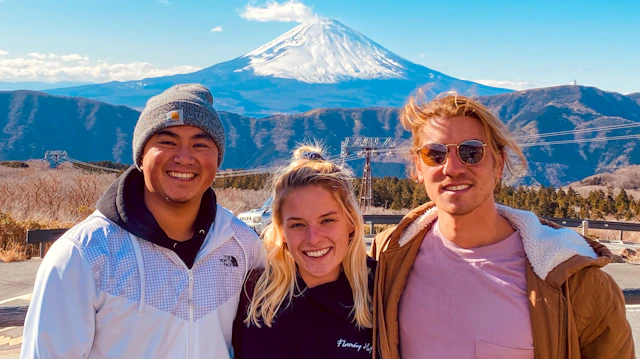
Late March to May and October to November are the sweet spots: cherry blossom usually peaks in Tokyo and Kyoto in late March and early April, and Kyoto's autumn leaves in the second half of November. Summer departures run too, but expect June's rainy season and July and August heat above 30°C. For winter, Backpacking Japan: Winter (11 days, December to February) swaps the heat for cold, clear days, Fuji views from Hakone, the snow monkeys at Nagano and an optional ski extension.
- See all our Japan trips.
Ready to see Japan for yourself? Let's go!
We run 4 trips in Japan, and 30 more countries besides. Your next adventure is waiting.