
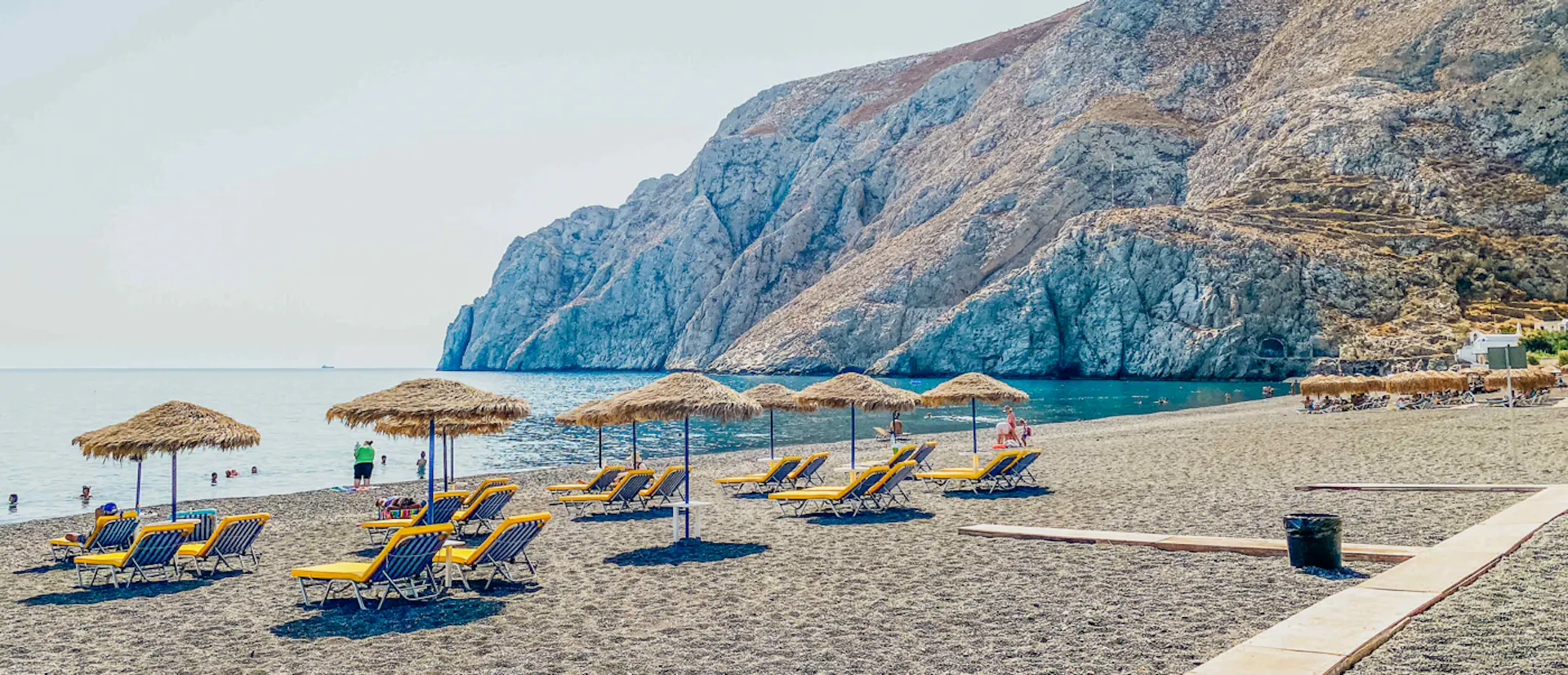
Europe's diverse climate means your backpacking experience can vary wildly depending on when you go. From sun-drenched Mediterranean beaches to snowy Alpine peaks, understanding the seasonal shifts is key to packing right and making the most of your adventure. Timing your trip can significantly impact everything from crowd levels and prices to the activities you'll enjoy.


Europe’s Seasons (Quick Version)
Europe experiences four distinct seasons, but for backpackers, it's often simpler to group them into three broader categories, each offering a unique flavour for your journey across the continent. Understanding these general patterns will help you decide when to embark on your adventure.
- Winter Chill: Expect cold temperatures, shorter days, and potential snow, perfect for city breaks, skiing, and cosy indoor experiences.
- Spring & Autumn Transition: Enjoy mild, pleasant weather with fewer crowds and blooming landscapes or vibrant autumn colours, ideal for hiking and sightseeing.
- Summer Peak: Experience warm to hot temperatures, long daylight hours, and vibrant outdoor activities, though with larger crowds and higher prices.
Europe month by month, at a glance
Central Europe, the route of our rail trips: average daytime high, and each month's rain against the wettest month.
Northern Europe
Central Europe
Southern Europe
Our Europe trips
Here are the 6 trips we run in Europe.
 AlbaniaGroup TourBackpacking AlbaniaFrom$1499View Tour
 Multi CountryGroup TourBackpacking Europe: By RailFrom$4129View Tour
 BulgariaGroup TourBackpacking Bulgaria: Ski & ApresFrom$1929View Tour
 Multi CountryGroup TourBackpacking EuropeFrom$2139View Tour
 CroatiaGroup TourBackpacking Croatia: Sailing AdventureFrom$2869View Tour
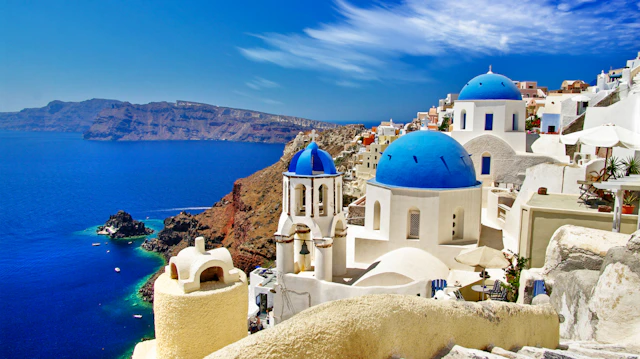 GreeceGroup TourBackpacking Greece: Island HoppingFrom$2339View Tour
Month-By-Month: Europe Weather
Europe's weather varies dramatically month-to-month and region-to-region. This detailed breakdown will help you pinpoint the ideal time for your backpacking journey, ensuring you're prepared for whatever conditions you might encounter across the continent.
Europe Weather in January
Cold, festive, around 5°C
January is typically the coldest month across much of Europe, with average daytime temperatures hovering around 5°C in Central and Northern regions. Expect crisp, clear skies in some areas, but also significant rainfall or snowfall, especially in the Alps and Scandinavia. Cities like Prague and Berlin are beautiful under a blanket of snow, while Mediterranean coasts like Barcelona remain milder but still cool, around 10-12°C. It's a quiet time for many tourist spots.
In Southern Spain and Portugal, temperatures are milder, often reaching 15°C, making it suitable for city exploration without the intense cold of the north. However, these regions can still experience occasional heavy showers. Sea conditions are generally too cold for swimming everywhere.
Europe Weather in February
Chilly, quiet, around 6°C
February remains quite cold across most of Europe, with average daytime temperatures similar to January, around 7 to 9°C in Paris or Amsterdam. Snowfall is still common in mountainous areas and northern countries, making it ideal for winter sports in the Dolomites. Southern regions, such as Sicily, start to see slightly longer days and hints of spring, with temperatures climbing to 13-14°C, though mornings are still brisk.
While much of Northern Europe remains frozen, the Greek islands, like Crete, offer a peaceful escape with temperatures around 15°C and blooming almond trees. Crowds are minimal, but many seasonal businesses are closed. Sea temperatures are consistently cold across the continent.
Europe Weather in March
Warming, fresh, around 10°C
March marks the start of spring across Europe, with average daytime temperatures rising to around 10°C in Western Europe, such as London or Dublin. While still cool, the days lengthen considerably, and early flowers begin to bloom. Rainfall can be unpredictable, with a mix of sunny spells and showers. It's a great month for exploring cities before the peak season, enjoying fewer crowds at attractions like the Colosseum in Rome, where temperatures reach 15°C.
In the Nordic countries like Norway, winter conditions persist, with snow and freezing temperatures still prevalent, offering excellent late-season skiing opportunities. Conversely, Southern France, around Nice, enjoys pleasant temperatures often reaching 16-17°C, with increasing sunshine and fewer grey days.
Europe Weather in April
Mild, pleasant, around 15°C
April brings delightful spring weather to much of Europe, with average daytime temperatures around 15°C in cities like Berlin and Vienna. The landscapes burst into colour, and daylight hours are long and inviting. While showers are still possible, especially in Central Europe, there are plenty of sunny days perfect for outdoor activities. It's an excellent time for sightseeing in Florence or cycling along the canals of Amsterdam, enjoying comfortable conditions.
The Mediterranean coast, from the Algarve in Portugal to the Aegean Sea in Greece, warms up significantly, with temperatures often reaching 18-20°C and very little humidity. This makes it perfect for early beach strolls or exploring ancient ruins without the summer heat or crowds.
Europe Weather in May
Excellent, warm, around 19°C
May is one of the best months to backpack Europe, offering consistently warm and pleasant weather across most regions. Average daytime temperatures typically range from 18°C to 22°C in destinations like Paris, Prague, and Budapest. Rainfall is generally moderate, with many sunny days and low humidity, making it ideal for hiking in the Alps or exploring the Croatian coast. Sea temperatures begin to rise, inviting early swimmers in the south.
Scandinavia, including cities like Stockholm and Copenhagen, truly awakens in May, with temperatures around 15-18°C, long daylight hours, and lush green landscapes. This contrasts with the already summery feel of Southern Europe, where temperatures can hit 25°C, and outdoor dining thrives.
Europe Weather in June
Warm, sunny, around 23°C
June ushers in summer across Europe, with warm and sunny weather becoming the norm. Average daytime temperatures in cities like Rome and Madrid soar to 25-28°C, while Northern capitals like Oslo enjoy comfortable 20°C. Rainfall is generally low, especially in the south, though occasional thunderstorms can occur in Central Europe. Long daylight hours are perfect for exploring, enjoying outdoor festivals, and beginning beach holidays along the Adriatic and Mediterranean.
While Southern Europe basks in intense sunshine, the UK and Ireland experience milder, often overcast conditions, with temperatures around 18-20°C, perfect for exploring their green landscapes without the heat. Sea temperatures are pleasant enough for swimming in most Southern European coastal areas.
Europe Weather in July
Hot, busy, around 28°C
July is typically the hottest and busiest month in Europe. Average daytime temperatures often exceed 28°C in Southern Europe, reaching 30-35°C in places like Athens and Seville. Central and Western Europe, including Berlin and Paris, see averages around 25-27°C. Rainfall is minimal in the south, but thunderstorms can be more frequent in Central and Eastern Europe. Beaches are packed, and cities are bustling, making it ideal for coastal trips but potentially challenging for intense sightseeing.
The cooler climes of the Scottish Highlands or the Norwegian fjords offer a refreshing contrast, with temperatures typically around 15-18°C, making them perfect for hiking and outdoor activities away from the intense heat of the south. Humidity can be high in some Mediterranean coastal areas.
Europe Weather in August
Hot, crowded, around 27°C
August continues the summer heatwave across much of Europe, with average daytime temperatures remaining high, around 28 to 31°C in cities like Lisbon and Rome. Many Europeans are on holiday, leading to peak crowds and prices, especially in popular coastal destinations and islands like Santorini. Rainfall remains low in the south, but Central Europe might experience more thunderstorms. Sea temperatures are at their warmest, perfect for swimming and water sports.
While the Mediterranean is sweltering, the Baltic states, such as Estonia and Latvia, offer pleasant summer weather around 20-22°C with fewer crowds, making them attractive for city breaks and exploring nature. Humidity can still be a factor in Southern coastal areas.
Europe Weather in September
Excellent, warm, around 22°C
September is arguably one of the best months for backpacking Europe. The scorching summer heat subsides, with average daytime temperatures settling around 26 to 27°C in places like Barcelona and Rome, and 18 to 20°C in Central European cities like Munich. Crowds begin to thin out, and prices for accommodation and flights often drop. Rainfall is generally moderate, with plenty of sunny days, making it perfect for hiking, city exploration, and enjoying the still-warm Mediterranean sea.
While Southern Europe still feels like summer, the cooler temperatures and vibrant autumn foliage begin to emerge in regions like the Black Forest in Germany, offering stunning scenic drives and hiking trails. Sea conditions remain excellent for swimming in the Mediterranean.
Europe Weather in October
Crisp, colourful, around 15°C
October brings a noticeable chill to the air across much of Europe, with average daytime temperatures around 15°C in Western Europe like Paris, and 13 to 14°C in Eastern European cities like Krakow. Autumn colours are at their peak, creating beautiful landscapes. Rainfall becomes more frequent and heavier, particularly in Western and Central Europe. It's an ideal month for cultural city breaks, exploring museums, and enjoying seasonal food festivals before winter sets in.
Southern Europe, including the Greek islands and Southern Italy, still offers pleasant, mild weather, often 22 to 24°C, with considerably less rain than the north and significantly fewer tourists. Sea temperatures are still warm enough for a quick dip in sheltered bays.
Europe Weather in November
Chilly, quiet, around 8°C
November marks the definite arrival of colder weather across Europe. Average daytime temperatures drop to around 8°C in major cities like Berlin and Amsterdam. Days are shorter and often grey, with increased rainfall and humidity, especially in Western Europe. Snowfall can start in higher altitudes and Northern regions. It's a quieter month for travel, ideal for budget-conscious backpackers who don't mind the chill and want to experience early Christmas markets or cosy indoor attractions.
The Canary Islands, off the coast of Africa but part of Spain, offer a stark contrast, maintaining spring-like temperatures of 20-23°C with minimal rainfall, making them a popular escape from the European mainland's winter. Sea conditions are rougher in many parts of Europe.
Europe Weather in December
Cold, festive, around 5°C
December is cold and festive across Europe. Average daytime temperatures hover around 5°C in Central and Northern Europe, often dropping below freezing at night. Snow is common in mountainous areas and northern countries, creating picturesque winter wonderland scenes. Cities come alive with Christmas markets and lights. Southern Europe, like Lisbon or Athens, remains milder at around 15°C, though often wet.
While much of Europe is bundling up, the southern coast of Portugal, the Algarve, offers relatively mild winter sun with temperatures around 15°C and fewer rainy days than other parts of the continent. This is a good time for coastal walks, but swimming is generally too cold.
Regional Weather Differences
Europe's vast geographical spread means that "European weather" is a broad generalization. From the Arctic Circle to the Mediterranean, climate conditions vary significantly, impacting your travel experience. Understanding these regional differences is crucial for planning your backpacking route.
- Northern Europe (Scandinavia, Baltics, UK, Ireland): Expect cooler temperatures and more frequent rain year-round, with mild summers and cold winters (snowy in Scandinavia and the Baltics, more often grey and wet in the UK and Ireland), best visited in summer for long daylight hours.
- Central & Eastern Europe (Germany, Poland, Czechia, Hungary, Austria): Experience distinct seasons with warm summers, cold winters, and moderate rainfall, making spring and autumn ideal for city exploration and cultural tours.
- Western Europe (France, Belgium, Netherlands, Switzerland): Enjoy a temperate climate with mild winters and warm summers, suitable for travel almost year-round, though spring and early autumn offer the most pleasant conditions.
- Southern Europe (Spain, Portugal, Italy, Greece, Croatia): Characterized by hot, dry summers and mild, wet winters, this region is best explored in spring or autumn to avoid extreme heat and peak crowds.
Best Time to Visit Europe
The absolute best time to backpack Europe is during the shoulder seasons of May-June and September-October. During these months, you'll experience wonderfully pleasant temperatures, fewer crowds at major attractions, and often more affordable prices for accommodation and transport. The weather is typically warm enough for outdoor activities and comfortable for city exploration, making for an ideal backpacking adventure.
Which Trip, and When?
Our two rail trips cross Central Europe, so its column in the chart above is the one to read. Backpacking Europe: By Rail (19 days) runs Paris, Amsterdam, Berlin, Prague, Budapest, Vienna, Lake Bled, Venice and Milan, and Backpacking Europe (11 days) does the southern half, Budapest to Milan. May, June and September give warm days, long evenings and shorter queues; July and August are hotter and busier, with the odd thunderstorm.
For sea and sun, Greece: Island Hopping, Croatia: Sailing Adventure and Backpacking Albania are made for the dry Mediterranean summer. For snow, Bulgaria: Ski & Apres is a winter trip.
- See all our Europe trips.
Ready to see it for yourself? Let's go!
From Bulgaria's slopes to South Africa's savannah, your next adventure is waiting.