
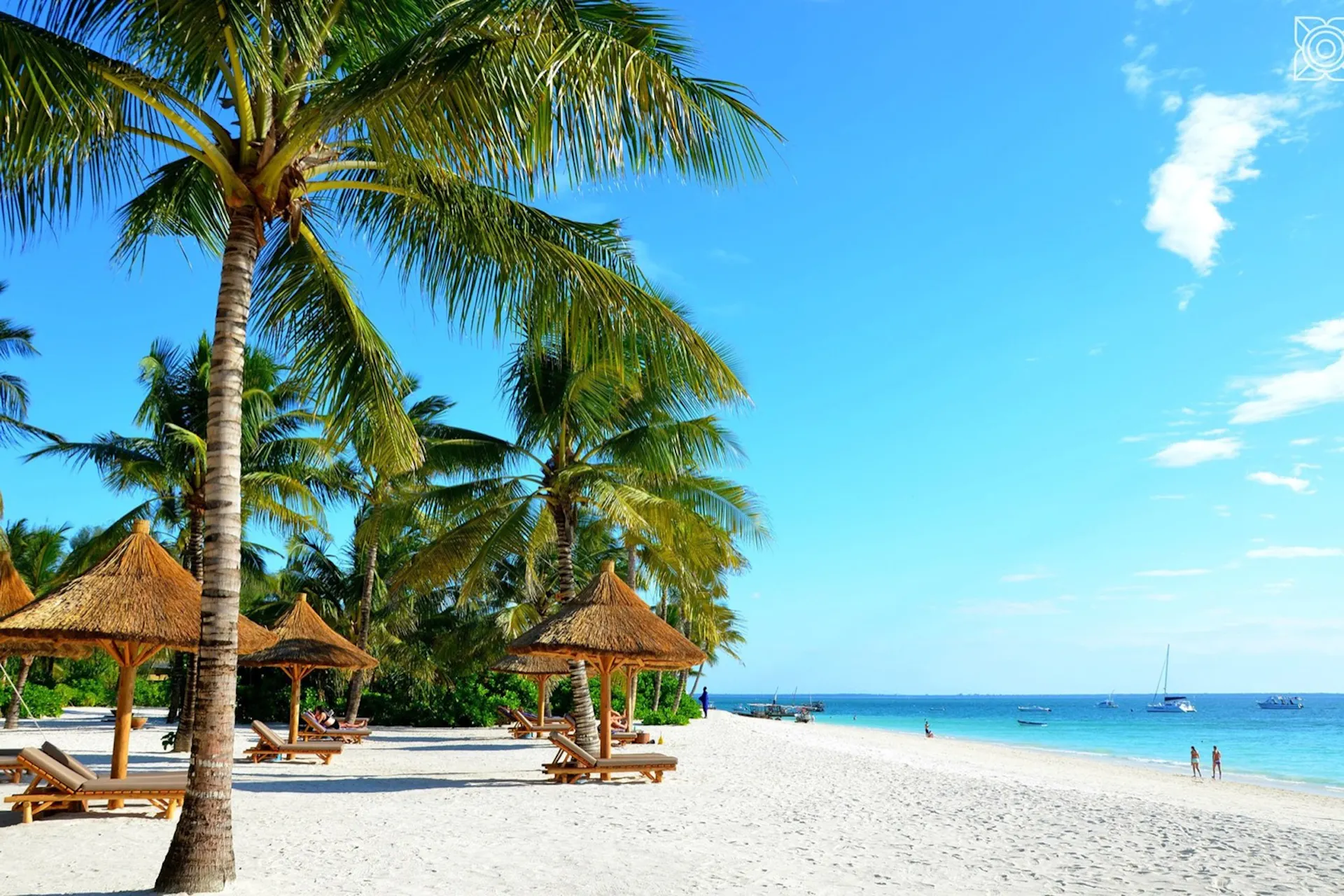
Zanzibar's tropical climate promises warmth year-round, but understanding its distinct dry and wet seasons is key for an unforgettable backpacking adventure. Timing your visit wisely ensures you experience the archipelago's stunning beaches and vibrant culture under the best possible conditions, making your trip truly seamless. A well-timed trip avoids unexpected downpours and ensures you enjoy the island at its most vibrant.



Zanzibar’s Seasons (Quick Version)
Zanzibar experiences a classic tropical climate, dominated by two distinct dry seasons and two rainy periods. Knowing these patterns is crucial for backpackers to plan activities, from beach relaxation to spice farm tours, avoiding unexpected downpours or enjoying the island at its most vibrant.
- Hot & Humid Season: This period brings high temperatures and humidity, with the 'short rains' of November and early December giving way to a drier, sunnier spell in January and February.
- Long Rainy Season: Expect heavy, consistent downpours and high humidity, which can impact travel plans and beach activities.
- Long Dry Season: This is Zanzibar's coolest and driest period, offering abundant sunshine and pleasant temperatures perfect for exploring.
Zanzibar month by month, at a glance
Stone Town: average daytime high, and each month's rain against the wettest month of the year.
Our Zanzibar trips
Here are the 2 trips we run in Zanzibar.

Month-By-Month: Zanzibar Weather
To truly nail your Zanzibar adventure, a month-by-month breakdown is invaluable. Each month offers a unique facet of the island's climate, influencing everything from sea conditions for diving off Nungwi to trekking through Jozani Forest. This detailed guide will help you prepare for any weather scenario.
Zanzibar Weather in January
Excellent, hot, dry, around 31°C
January is a fantastic month for Zanzibar, marking the peak of the short dry season. Expect hot, sunny days with average daytime temperatures around 31°C. Rainfall is minimal, making it ideal for beach activities in Kendwa and Stone Town exploration. The sea is calm and warm, perfect for swimming, snorkelling, and diving around Mnemba Atoll, offering excellent visibility.
While the main islands of Unguja and Pemba enjoy superb weather, smaller, more remote islands also share similar dry and sunny conditions, making them equally inviting for secluded getaways. Expect higher prices and more visitors around the New Year period.
Zanzibar Weather in February
Excellent, hot, dry, around 32°C
February continues the excellent dry spell, often being the driest and hottest month, with daytime temperatures soaring to around 32°C. It is humid, but skies are mostly clear. This is prime time for diving in Matemwe or simply relaxing on the white sands of Paje. Sea conditions remain ideal for all water-based activities across the archipelago.
Resorts along the east coast, like those near Jambiani, experience consistent breezes, offering a slight respite from the heat, which can be more intense inland. It's also a popular month for kite-surfing due to these reliable winds, attracting enthusiasts to specific beach spots.
Zanzibar Weather in March
Transitional, warm, humid, around 30°C
March marks the transition towards the long rainy season. While the beginning can still see sunny days, rainfall increases significantly towards the end of the month. Daytime temperatures average around 30°C, accompanied by rising humidity. It's still possible to enjoy activities, but be prepared for afternoon showers, especially when exploring Stone Town or Jozani Forest.
The northern beaches, such as Nungwi and Kendwa, might experience slightly less rain than the southern parts of the island, though the general trend of increasing humidity and cloud cover is island-wide. Sea conditions can become choppier, making some boat trips less comfortable.
Zanzibar Weather in April
Wet, heavy rains, around 29°C
April is the peak of the long rainy season, characterised by heavy and prolonged downpours, especially in the afternoons. Daytime temperatures hover around 29°C, and humidity is very high. Many tourist businesses may close, and roads can become challenging. It's generally not recommended for beach-focused backpacking, as conditions are often unfavourable for outdoor activities.
While the entire archipelago experiences significant rainfall, the interior of Unguja (Zanzibar's main island) can be particularly muddy and difficult to navigate, impacting visits to spice farms or Jozani Forest. Prices for accommodation and tours drop considerably, offering budget travel for those undeterred by rain.
Zanzibar Weather in May
Wet, heavy rains, around 28°C
May continues to be very wet, with substantial rainfall, though it typically starts to ease towards the end of the month. Average daytime temperatures are around 28°C, and humidity remains high. Beach activities are severely limited, and sea conditions are often rough. It's a quiet time across the island, with many establishments still closed, particularly in smaller villages like Kizimkazi.
Even the usually bustling areas like Stone Town feel quiet, with fewer tourists navigating its alleyways. The south-east coast, including Jambiani and Paje, remains prone to heavy showers, making water sports largely impractical. This month is ideal for those seeking solitude and don't mind the rain.
Zanzibar Weather in June
Good, dry, mild, around 27°C
June ushers in the long dry season, bringing a welcome decrease in rainfall and humidity. Daytime temperatures are milder, averaging around 27°C, making it very comfortable for exploring. Skies begin to clear, and the sun returns, creating excellent conditions for beaches like Paje and snorkelling trips around offshore reefs. It's a fantastic time to start your Zanzibar adventure.
The cooler, drier air is particularly noticeable on the east coast, where constant trade winds provide a refreshing breeze. This month also sees fewer crowds than the peak dry season, offering a more relaxed atmosphere for exploring destinations like Matemwe or Kendwa.
Zanzibar Weather in July
Excellent, dry, cool, around 27°C
July is one of the best months to visit Zanzibar, offering consistently dry, sunny weather and pleasant temperatures averaging 27°C. Humidity is low, and the skies are typically clear. It's perfect for all outdoor activities, from diving in Mnemba Atoll to exploring the alleyways of Stone Town and relaxing on the white sands of Nungwi. Visibility for diving is excellent.
The north coast, including Nungwi, is particularly popular during this time, with calm seas ideal for boat trips and swimming. Accommodation prices start to rise as the peak season approaches, so booking in advance for popular spots like Kendwa is advisable.
Zanzibar Weather in August
Excellent, dry, cool, around 28°C
August maintains the superb conditions of the long dry season, with abundant sunshine and average daytime temperatures around 28°C. Rainfall is minimal, and humidity remains low. This is a prime month for backpacking, with excellent visibility for diving and ideal beach weather across the island, from Kendwa to Kizimkazi. Expect vibrant evenings and bustling markets.
The south-west coast, especially around Kizimkazi, is known for dolphin tours, and August offers some of the best sea conditions for these excursions. Expect higher tourist numbers and busier beaches across the island, particularly in popular spots like Paje and Jambiani.
Zanzibar Weather in September
Excellent, dry, warm, around 29°C
September continues the fantastic dry weather, with temperatures beginning to rise slightly to around 29°C. It's still wonderfully sunny with low humidity, making it an ideal time for all activities. The ocean is clear and inviting, perfect for snorkelling or learning to kite-surf in Paje. Conditions are perfect for exploring Jozani Forest without excessive heat.
The central parts of the island, including Jozani Forest, are easily accessible and comfortable to explore, without the intense heat or heavy rains found in other seasons. Crowds are still present but often slightly less intense than August, offering a good balance for travellers.
Zanzibar Weather in October
Good, warm, humid, around 30°C
October marks the transition out of the long dry season. While still largely sunny, humidity and the chance of short, afternoon showers increase towards the end of the month. Average daytime temperatures are around 30°C. It's generally a good time, but be prepared for occasional rain, especially if planning extended beach stays in Matemwe or Nungwi.
The east coast beaches, such as Matemwe, remain popular, but the sea can become slightly choppier as the weather patterns begin to shift. Prices for tours and accommodation may see a slight dip before the next peak, offering good value for backpackers.
Zanzibar Weather in November
Transitional, warm, short rains, around 30°C
November sees the arrival of the 'short rains,' which are typically lighter and more sporadic than the long rains, often occurring as afternoon downpours. Daytime temperatures are around 30°C, and humidity is high. While not ideal for continuous sunbathing, there are still plenty of sunny intervals for exploration of Stone Town or spice farms. Expect lush greenery.
Stone Town can experience more intense showers due to its urban environment, making exploration a bit trickier, but the cultural sites are still accessible. However, the lush greenery across the island, especially in rural areas, is vibrant after the initial rains, offering beautiful photo opportunities.
Zanzibar Weather in December
Good, hot, humid, around 31°C
December is hot and humid, with the short rains usually tapering off towards the middle of the month, leading into a drier, sunnier Christmas period. Daytime temperatures average around 31°C. It's a popular month, especially for holidaymakers, so expect busier beaches like Nungwi and higher prices for accommodation and flights. Book well in advance.
The western side of the island, including areas near Stone Town, can feel particularly humid. However, the clear waters on the northern and eastern coasts remain excellent for diving and snorkelling, attracting many visitors eager for marine adventures around Kendwa and Matemwe.
Regional Weather Differences
While Zanzibar is relatively small, subtle climatic variations exist, and understanding these can fine-tune your backpacking itinerary. Different areas might experience slightly different wind patterns or localised showers, impacting your choice of activities and overall experience.
- Northern Beaches (Nungwi, Kendwa): These popular areas often experience slightly less rain during the shoulder seasons and are known for calm waters ideal for swimming and sunsets.
- East Coast (Paje, Jambiani, Matemwe): Consistent trade winds here make it a prime spot for kite-surfing, and these breezes can offer relief from the heat during hotter months.
- Stone Town & West Coast: This area can feel more humid, and its urban environment means rain can be more noticeable, though it's the cultural heart of the island.
- Southern Zanzibar (Kizimkazi): Known for dolphin tours, this region benefits from calm seas during the dry seasons, making it ideal for marine excursions.
Best Time to Visit Zanzibar
For backpackers seeking the best weather for beaches and activities, the long dry season from June to October is unparalleled, offering cooler temperatures and minimal rain. If you prefer hotter, more humid conditions with plenty of sun, the short dry spell of January and February is also fantastic, though expect more crowds around holidays. Avoid the peak long rainy season from April to May unless you're prepared for significant disruption and closures, as many businesses might be shut.
Which Trip, and When?
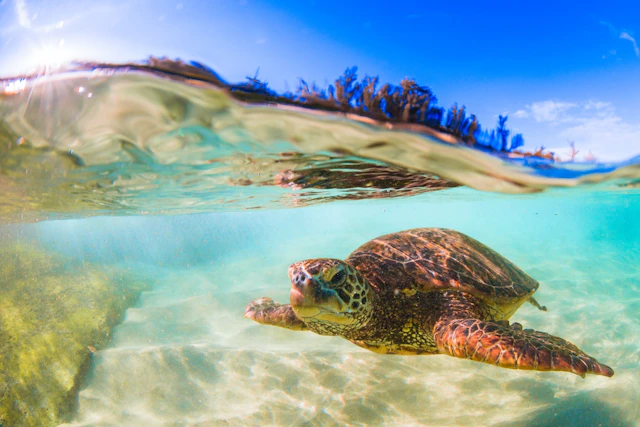
Our Zanzibar trips are volunteering placements, from one to twelve weeks. Volunteer Teaching is based in Stone Town, and Turtle Conservation is in Makunduchi on the south-east coast, caring for rescued turtles and protecting the beaches they nest on.
Placements run all year, so the weather decides how the weeks feel rather than whether you can go. The long rains of April and May are the wettest and quietest weeks, with rough seas on the east coast; June to October is dry, breezy and the most comfortable time to work outdoors; January and February are hot, humid and mostly sunny.
- See all our Zanzibar placements.
Ready to see Zanzibar for yourself? Let's go!
We run 2 trips in Zanzibar, and 31 more countries besides. Your next adventure is waiting.