
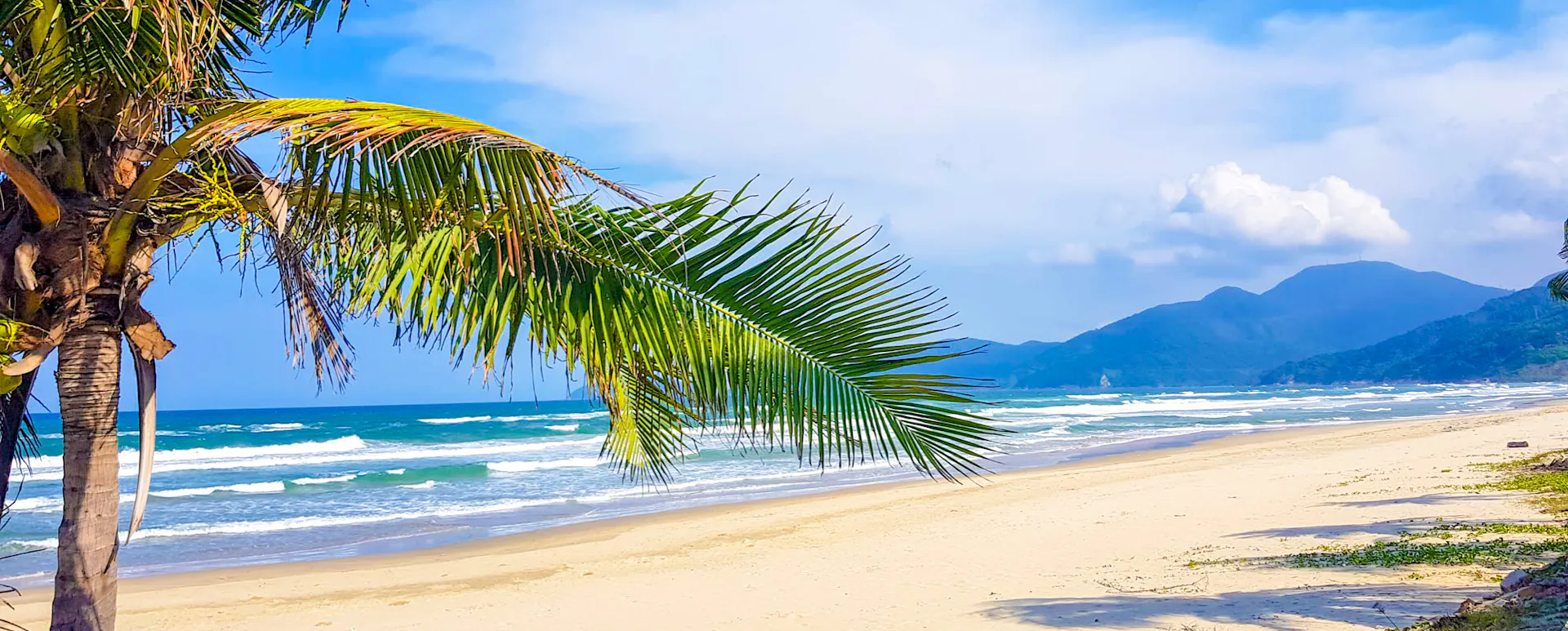
Vietnam's diverse climate, stretching over 1,600 kilometres from north to south, means there's almost always a good time to visit somewhere in the country. Understanding these regional weather patterns is key to planning an unforgettable backpacking adventure, ensuring you hit the best spots when the conditions are just right. From cool, dry winters in the north to tropical monsoons in the south, timing your trip can make all the difference to your experience.



Vietnam’s Seasons (Quick Version)
Vietnam experiences distinct seasons, though these vary significantly between its northern, central, and southern regions. Generally, you can categorise the year into three broad periods, each offering a unique travel experience.
- Dry & Mild Season: This period offers pleasant, often sunny weather across much of the country, with cooler temperatures in the north and warm, dry conditions in the south.
- Hot & Humid Season: Temperatures rise significantly nationwide, bringing hot and increasingly humid conditions, especially in the south, before the monsoon fully sets in.
- Wet & Warm Season: Characterised by the monsoon, this season brings frequent heavy rainfall, particularly in the south and north, though central Vietnam often enjoys drier weather during part of this time.
Vietnam month by month, at a glance
Hanoi and the north, where our Vietnam trips start: average daytime high, and each month's rain against the wettest month. Hoi An and the centre are wettest from September to December instead.
Northern Vietnam
Central Vietnam
Southern Vietnam
Our Vietnam trips
Here are the 9 trips we run in Vietnam.
 Multi CountryGroup TourBackpacking Thailand & VietnamFrom$3919View Tour
 Multi CountryGroup TourBackpacking AsiaFrom$4869View Tour
 VietnamGroup TourBackpacking VietnamFrom$3399View Tour
 VietnamGroup TourBackpacking Vietnam: Northern AdventuresFrom$2549View Tour
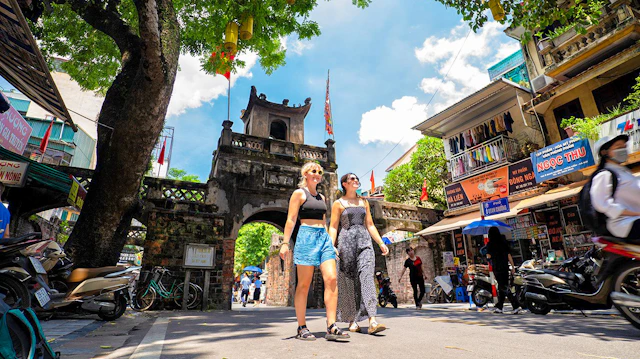 VietnamGroup TourBackpacking Vietnam: Express AdventureFrom$1759View Tour
 Multi CountryGroup TourBackpacking Vietnam & CambodiaFrom$2799View Tour
 VietnamPrivateVietnam: Northern AdventuresFrom$1719View Tour
 VietnamPrivateBeach & Adventure: VietnamFrom$959View Tour
 VietnamPrivateVietnam: North to SouthFrom$2659View Tour
Month-By-Month: Vietnam Weather
To truly get a handle on Vietnam's climate, a month-by-month breakdown is essential. This will help you decide where to go and what to expect, ensuring your backpacking itinerary aligns with the best weather conditions across this long, diverse country.
Vietnam Weather in January
Excellent, cool North, warm South
January is a fantastic month for backpacking across much of Vietnam. Northern areas are cool and dry: Hanoi's daytime highs are around 19°C, and up in Sapa it is colder still, around 12°C by day and chilly at night, so pack warm layers for trekking. Halong Bay offers clear skies for cruising. Southern Vietnam, including Ho Chi Minh City and the Mekong Delta, enjoys dry, sunny weather with comfortable temperatures averaging 27-30°C, making it ideal for exploring.
Central Vietnam, from Hue to Hoi An, is also generally pleasant, with daytime temperatures around 20-24°C and decreasing rainfall compared to late autumn. This makes it a great time to explore ancient towns and coastal areas without intense heat or heavy downpours.
Vietnam Weather in February
Excellent, dry, warming up
February continues to be one of the best months for a Vietnam trip. The north warms slightly, with Hanoi's highs around 20°C and Sapa still much cooler; there is little rain, but skies are often grey with a fine drizzle. Southern Vietnam remains dry and warm, around 30-32°C, perfect for beach days on Phu Quoc or exploring the bustling streets of Ho Chi Minh City. Humidity is still relatively low.
In Central Vietnam, temperatures are mild at 22-26°C with low humidity and very little rain, offering excellent conditions for visiting historical sites in Hue and relaxing on the beaches near Da Nang. This is a very popular time to visit the central coast.
Vietnam Weather in March
Great, getting hot, dry South
March brings rising temperatures across Vietnam. The north, including Halong Bay, experiences pleasant warmth at 23-26°C, though humidity starts to increase. Southern Vietnam becomes notably hot and dry, with temperatures often hitting 32-35°C, making early mornings and evenings best for sightseeing in Ho Chi Minh City. Beach destinations like Mui Ne and Phu Quoc are very popular for their consistent sunshine.
Central Vietnam enjoys some of its best weather, with temperatures around 25-28°C, low humidity, and minimal rainfall, creating perfect conditions for exploring Hoi An's charming streets or cycling through the countryside.
Vietnam Weather in April
Hot & Humid, monsoon approaching
April is characterised by increasing heat and humidity nationwide. Northern Vietnam warms up quickly, with Hanoi's highs around 28°C (Sapa stays in the low 20s), with occasional showers starting to appear, especially towards the end of the month. Southern Vietnam is at its hottest, with daytime temperatures frequently exceeding 35°C, and the first monsoon showers may begin to fall, offering some relief from the heat in Ho Chi Minh City.
Central Vietnam remains mostly dry and hot, averaging 28-32°C, making it a good time for beach activities in Da Nang, though the heat can be intense during midday. The sea is calm and warm, ideal for swimming and watersports.
Vietnam Weather in May
Wet & Hot, monsoon begins
May marks the official start of the rainy season in Southern Vietnam, with Ho Chi Minh City and the Mekong Delta experiencing daily afternoon downpours, though mornings are often sunny and hot (30-34°C). Northern Vietnam, including Hanoi and Halong Bay, also sees a significant increase in rainfall and humidity, with temperatures around 28-32°C. Trekking in Sapa can be challenging due to wet trails.
Central Vietnam, however, enjoys some of its best weather, remaining relatively dry and sunny with temperatures around 28-32°C. This makes destinations like Hoi An and Hue particularly attractive as a dry refuge from the nationwide monsoon.
Vietnam Weather in June
Wet & Warm, Central still good
June is firmly within the wet season for Northern and Southern Vietnam. Hanoi and Halong Bay experience frequent heavy showers and high humidity, with temperatures around 28-32°C. Southern cities like Ho Chi Minh City continue to have daily downpours, typically in the afternoon, but mornings are often bright and warm (29-33°C). Trekking in the north becomes very muddy and less appealing.
Central Vietnam remains the highlight, with Da Nang, Hoi An, and Hue enjoying warm, mostly dry, and sunny weather, averaging 29-33°C. This period is perfect for beach lovers and exploring historical sites without the crowds of peak season elsewhere.
Vietnam Weather in July
Wet & Warm, Central is best
July sees the monsoon in full swing across Northern and Southern Vietnam. Expect heavy, though often short-lived, downpours in Hanoi and Ho Chi Minh City, with high humidity and temperatures around 28-32°C. Halong Bay can experience some fog or rain, but cruises generally operate. Southern islands like Phu Quoc are wet but still offer sunshine between showers, with warm sea temperatures.
Central Vietnam continues to be the driest region, with temperatures around 30-34°C and plenty of sunshine. This makes it an ideal time to visit the ancient towns of Hoi An and the imperial city of Hue, escaping the rain that impacts other areas.
Vietnam Weather in August
Wet & Warm, Central getting humid
August continues the monsoon pattern in Northern and Southern Vietnam, with persistent rainfall and high humidity. Hanoi sees highs around 32°C (Sapa is cooler, in the low to mid 20s), with lush green landscapes but challenging trekking conditions. Ho Chi Minh City and the Mekong Delta experience daily heavy showers, maintaining temperatures around 28-32°C. Typhoons can occasionally affect coastal areas.
Central Vietnam remains relatively dry for most of the month, with temperatures around 30-33°C, but towards the end of August, humidity starts to rise, and the first signs of increased rainfall may appear, signalling a shift in weather patterns.
Vietnam Weather in September
Mixed, Central gets very wet
September is a transitional month. Northern Vietnam is still warm, with highs around 31°C, and the rain eases late in the month, though September can still bring typhoons that cancel Halong Bay cruises. Southern Vietnam continues its rainy season, with Ho Chi Minh City experiencing some of its highest rainfall totals, though temperatures stay warm at 28-32°C. Expect frequent, heavy downpours.
Central Vietnam, however, enters its wettest period, with Hue, Da Nang, and Hoi An experiencing significant rainfall and potential flooding. Temperatures are still warm, around 27-30°C, but outdoor activities become more challenging due to the heavy downpours.
Vietnam Weather in October
Improving North & South, very wet Central
October brings improving weather to Northern Vietnam, with decreasing rainfall and pleasant temperatures around 24-28°C, making it excellent for trekking in Sapa and cruising Halong Bay. Southern Vietnam also sees rainfall ease, with Ho Chi Minh City still warm at 28-31°C but fewer intense downpours. It's a good time to visit the south as the dry season approaches.
Central Vietnam experiences its peak rainy season, with extremely heavy rainfall and a high risk of typhoons and flooding in areas like Hue and Hoi An. This is generally considered the least favourable time to visit the central coast.
Vietnam Weather in November
Great, dry season returns
November is an excellent month to visit much of Vietnam as the dry season firmly establishes itself. Northern Vietnam is dry and comfortable, with Hanoi's highs around 25°C and crisp, cooler days in Sapa, perfect for outdoor activities. Southern Vietnam, from Ho Chi Minh City to Phu Quoc, enjoys warm, dry, and sunny weather with temperatures around 28-31°C, ideal for beach holidays and city exploration.
Central Vietnam is the exception: November is still deep in its rainy season, and Hue and Hoi An often see flooding and some of the year's heaviest rain. Temperatures are pleasant, around 25-27°C, but plan the central coast with some flexibility this month.
Vietnam Weather in December
Excellent, cool North, warm South
December is another prime month for backpacking Vietnam. Northern Vietnam is cool and dry, with Hanoi averaging 18-22°C, and Sapa can be quite chilly. Halong Bay offers clear, crisp days. Southern Vietnam is warm, dry, and sunny, with temperatures around 27-30°C, perfect for exploring Ho Chi Minh City, the Mekong Delta, and relaxing on the beaches of Phu Quoc. Humidity is low nationwide.
Central Vietnam, including Da Nang and Hoi An, is mild, around 22-25°C, with the rain easing through the month, though showers are still common early on. Sightseeing is comfortable, but it is not yet beach weather.
Regional Weather Differences
Vietnam's elongated shape and varied topography mean its weather can be quite different depending on where you are. Understanding these regional distinctions is crucial for planning a smooth backpacking itinerary, allowing you to chase the sunshine or avoid the heaviest rains.
- Northern Vietnam (Hanoi, Sapa, Halong Bay): Best visited during the dry and cool months from October to April for comfortable trekking and clear skies, avoiding the hot and wet monsoon from May to September.
- Central Vietnam (Hue, Da Nang, Hoi An): Enjoys its best weather from January to August, offering a dry refuge when other regions are wet, but experiences a heavy rainy season from September to December.
- Southern Vietnam (Ho Chi Minh City, Mekong Delta, Phu Quoc): Ideal for visiting during its dry season from December to April, with warm, sunny days perfect for beaches and city exploration, while May to November brings daily monsoon showers.
Best Time to Visit Vietnam
The absolute best time to visit Vietnam for a comprehensive backpacking trip, allowing you to experience all three regions in favourable conditions, is February to April. The north is dry and mild (often grey until March), central Vietnam has dried out and the south is hot and sunny. November to January suits the north and south well too, but the central coast is still wet then. If you're focusing only on the south, December to April is perfect. For central Vietnam, aim for January to August to avoid the intense monsoon. Ultimately, Vietnam offers something year-round, but careful planning will maximize your adventure.
Which Trip, and When?
Most of our Vietnam trips run the length of the country. Backpacking Vietnam: Express Adventure (12 days) is Hanoi, Halong Bay, Ninh Binh, Hoi An, the Mekong Delta and Saigon; Backpacking Vietnam (23 days) adds Phong Nha's caves, Hue, the Hai Van Pass, Nha Trang, Dalat and the south coast's sand dunes; and Northern Adventures (15 days) runs from Hanoi to Hoi An.
Vietnam & Cambodia (21 days) carries on to Phnom Penh, Kampot, a Cambodian island and Angkor Wat, while Thailand & Vietnam (29 days) and Backpacking Asia (38 days) begin in Thailand. There are three private Vietnam trips as well.
A north-to-south trip crosses three climates, so no month is perfect everywhere. February to April is the safest window; from September to November the central stretch around Hue and Hoi An is at its wettest, and the north is at its coolest from December to February. The Thailand and Cambodia weather guides cover the rest of the longer routes.
- See all our Vietnam trips.
Ready to see Vietnam for yourself? Let's go!
We run 6 trips in Vietnam, and 31 more countries besides. Your next adventure is waiting.