


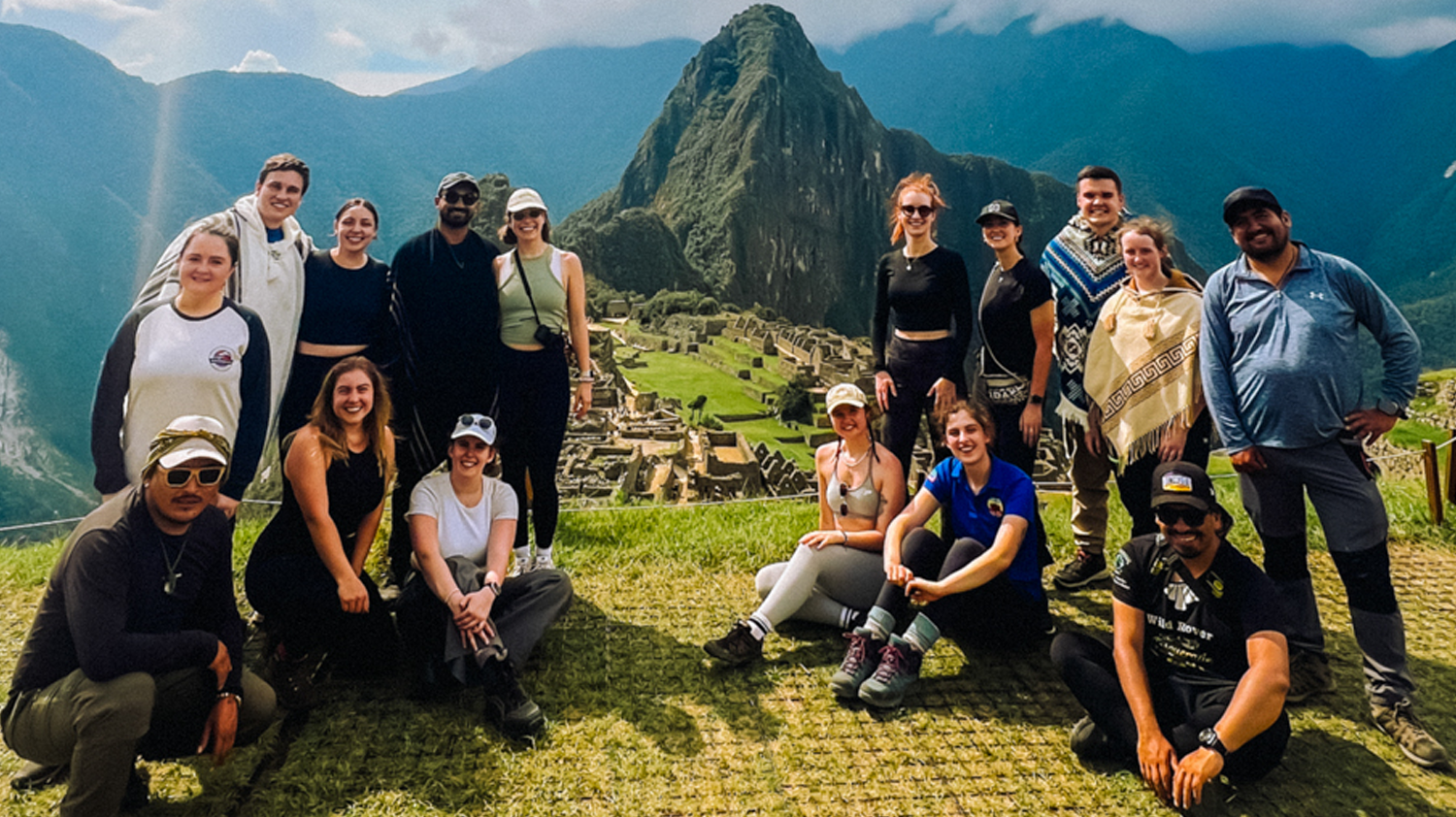
Is 10 days enough for Peru?
Yes, 10 days is enough to cover Lima, Cusco, the Sacred Valley, Machu Picchu and one high-altitude day hike. It is not enough to add the Amazon or Lake Titicaca comfortably without rushing.
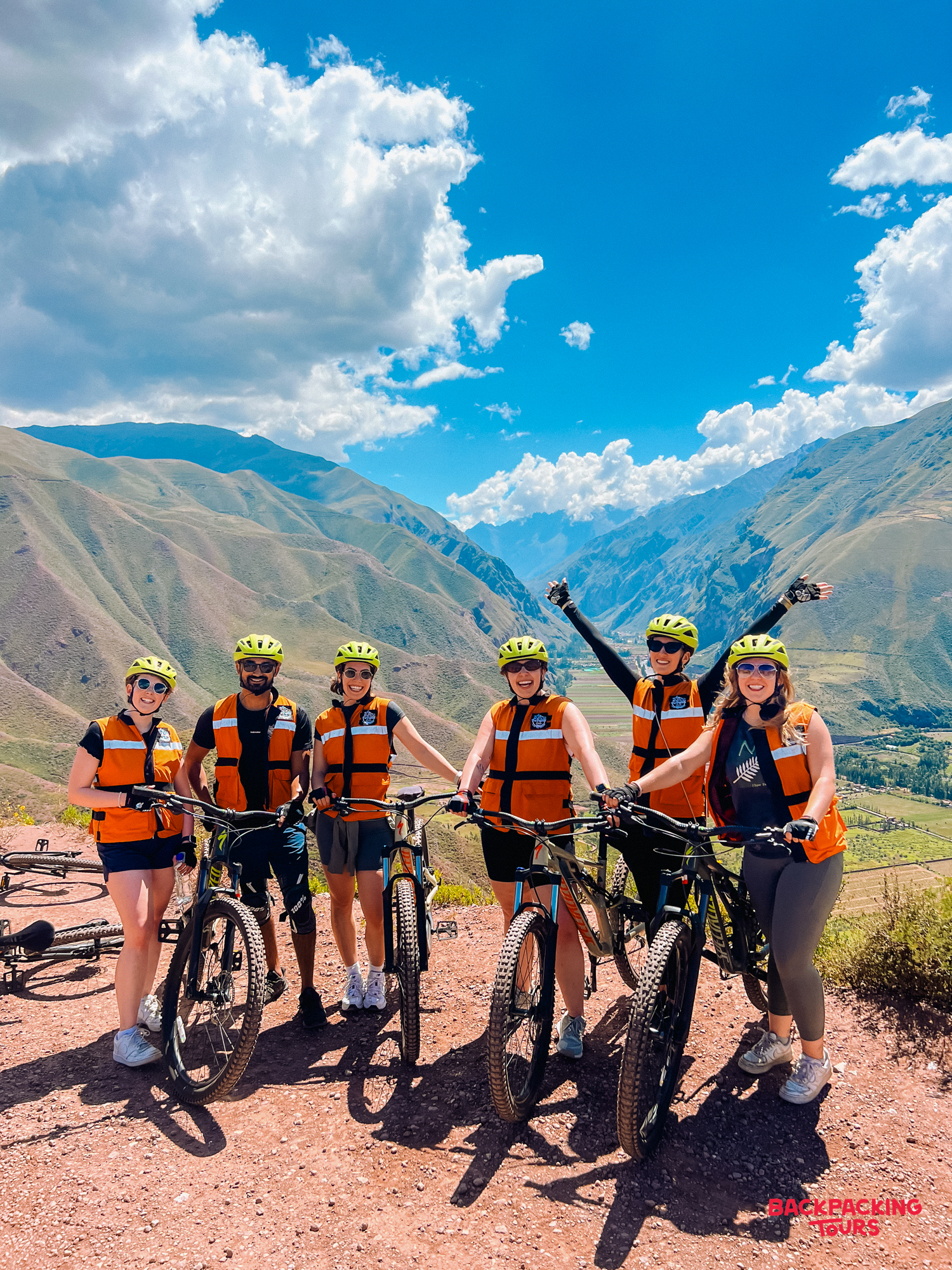
In short: A 10-day Peru backpacking adventure works best as Lima, then Cusco, the Sacred Valley, Machu Picchu and one big high-altitude hike such as Rainbow Mountain or Humantay Lake. Build in at least two easy days at altitude, pre-book Machu Picchu, and travel in the May–September dry season for the clearest trails.
Ten days is the sweet spot for a first Peru backpacking adventure. It is enough time to eat your way around Lima, acclimatise properly in Cusco, explore the Inca ruins of the Sacred Valley, stand at Machu Picchu at opening time and still tackle a proper high Andean trail. It is not enough time to do everything, so this guide focuses on the route that works on the ground.
Below is a day-by-day plan with realistic travel times, rough costs, altitude advice and the little things we wish every traveller knew before landing. If you are still deciding whether Peru is for you, start with our guide on why visit Peru.
Peru rewards a bit of planning. A few things need sorting weeks in advance, especially if you are travelling in the busy June to August window.
Weather shapes everything here. The dry season brings crisp, sunny days and freezing nights at altitude, while November to March means afternoon rain and muddier trails. Our Peru weather by month guide breaks it down.
Lima often gets skipped, which is a mistake. It is one of South America's great food cities, and a day here eases you into the trip before the altitude kicks in.
Budget tip: look for the menú del día at local spots. A starter, main and drink often costs a fraction of tourist-restaurant prices.
Fly to Cusco, the old Inca capital, and the first thing you will notice is your breathing. At around 3,400 metres, most people feel some breathlessness, headaches or poor sleep for the first day or two. That is normal, and it is why your first 48 hours should be gentle.
Drink coca tea, stay hydrated, skip the pisco on night one and stroll the Plaza de Armas and the steep lanes of San Blas. Grab a cheap, filling lunch at San Pedro Market, where fresh juice stalls and soup counters are a backpacker staple.
Walk or taxi up to Saqsaywamán, the massive zig-zag fortress overlooking town, where some stones weigh well over 100 tonnes. Nearby Q'enqo, Puka Pukara and Tambomachay make a good half-day loop.
Tip: Buy the Boleto Turístico del Cusco (Cusco tourist ticket). The full version covers Saqsaywamán, Pisac, Ollantaytambo, Moray and more, and works out far cheaper than paying site by site. Note that the Maras salt pans and Machu Picchu are not included.
Here is the 1 trip we run in Peru.
The Sacred Valley sits lower than Cusco, so it is a welcome relief for your lungs. This is where the 'lost cities' theme really comes alive, with Inca citadels clinging to cliffs above the Urubamba River.
Hike through the sweeping terraces of the Pisac ruins, then drop into town for the market, best known for its textiles and Sunday crowds. Haggle politely, and remember a few soles means more to the seller than to you.
Moray looks like a giant green amphitheatre: circular terraces that many researchers believe the Inca used to test crops at different temperatures. Nearby, the Salineras de Maras are thousands of salt pools stepping down a hillside, still worked by local families.
End in Ollantaytambo, a living Inca town where people still use the original stone streets and water channels. Climb the fortress terraces late afternoon when the tour buses have gone. It is also the main train station for Machu Picchu.
Shared minivans (colectivos) link Cusco, Pisac, Urubamba and Ollantaytambo cheaply and frequently. They are crowded and informal, so keep your daypack on your lap.
Take the scenic train from Ollantaytambo to Aguas Calientes, roughly 1.5 to 2 hours along the river gorge. Spend the night there so you can be among the first up the mountain the next morning.
Shuttle buses zig-zag up to the citadel in about 25 to 30 minutes, or you can hike the steep stone steps in roughly 90 minutes. Visits follow set one-way circuits, so check which route your ticket covers before you book. Huayna Picchu and Machu Picchu Mountain need separate add-on tickets and sell out early.
Early mornings are often misty, and watching the cloud lift off the terraces is the moment most people remember. A guide makes a huge difference here; without context it is easy to miss the Temple of the Sun, the Intihuatana stone and how the whole site was engineered for drainage and earthquakes.
Tip: Pack a light rain jacket and sunscreen even in dry season. Weather at Machu Picchu flips fast, there is little shade, and you cannot bring large backpacks inside, so travel light on the day.
Back in Cusco, now well acclimatised, it is time for a big day hike. Most travellers choose one of two classics, both reached on an early-morning drive from the city.
Both are cold at the top, so layer up with a warm fleece, hat and gloves. Go slowly, eat a proper breakfast and turn back if you feel dizzy or confused; those are signs of altitude sickness, not weakness.
Use your last full day to catch what you missed: the Qorikancha temple, a chocolate or cooking class, or simply a long lunch in San Blas. Cusco has a lively, sociable evening scene, and this is usually the night groups celebrate together.
On day 10, fly back to Lima for onward connections. Leave a decent buffer, as morning flights out of Cusco can be delayed by weather.
You can absolutely do this route independently. The trade-off is time: juggling Machu Picchu circuits, train slots, early hike pickups and altitude days takes serious planning, and a missed connection can cost you a key day.
If you would rather spend your energy on the trails, our 10-day small group tour in Peru covers this kind of ground with a local guide and a sociable group of travellers aged 20 to 45. Check the tour page for the exact day-by-day, browse the Peru trip photo gallery, or read the Peru tour FAQs for fitness, packing and inclusions.
First time joining a group trip? Our guide to preparing for a group tour covers what to pack and what to expect.
Yes, 10 days is enough to cover Lima, Cusco, the Sacred Valley, Machu Picchu and one high-altitude day hike. It is not enough to add the Amazon or Lake Titicaca comfortably without rushing.
Take your first one or two days in Cusco slowly, drink plenty of water, avoid alcohol early on and consider sleeping lower in the Sacred Valley. Save hard hikes like Rainbow Mountain until you have acclimatised.
Yes. Entry is timed, circuit-based and capped daily, and tickets for June to August and the Huayna Picchu add-on often sell out weeks ahead. Bring the passport you booked with.
May to September is the dry season, with clear skies and cold nights in the Andes. November to March brings regular rain, and the classic Inca Trail closes every February for maintenance.
Moderate fitness is enough for most of it, but the high-altitude hikes are short and tough because of thin air. Regular walking or stair training before you go makes a noticeable difference.
Backpacking Tours is a licensed tour company that has been running small-group adventures since 2013, and every trip has a group leader or local guide, which matters in Peru, where timed Machu Picchu entries, train slots and altitude planning can make or break your days. Groups are small and made up of like-minded travellers aged 20 to 45, so solo travellers slot right in. Our itineraries are hand-built to balance big-name sights like Machu Picchu with real local experiences, while leaving free time to explore on your own. It is flexible, good value, and rated highly by past travellers on our reviews page.
We run one trip in Peru, and 31 more countries besides. Your next adventure is waiting.
Be first in line. Waitlist members get early access to the sale, so you can grab the departure you want before places go.
You're on the list! We'll email you as soon as the sale starts.
By signing up you agree that we may send you marketing emails. You can unsubscribe at any time.