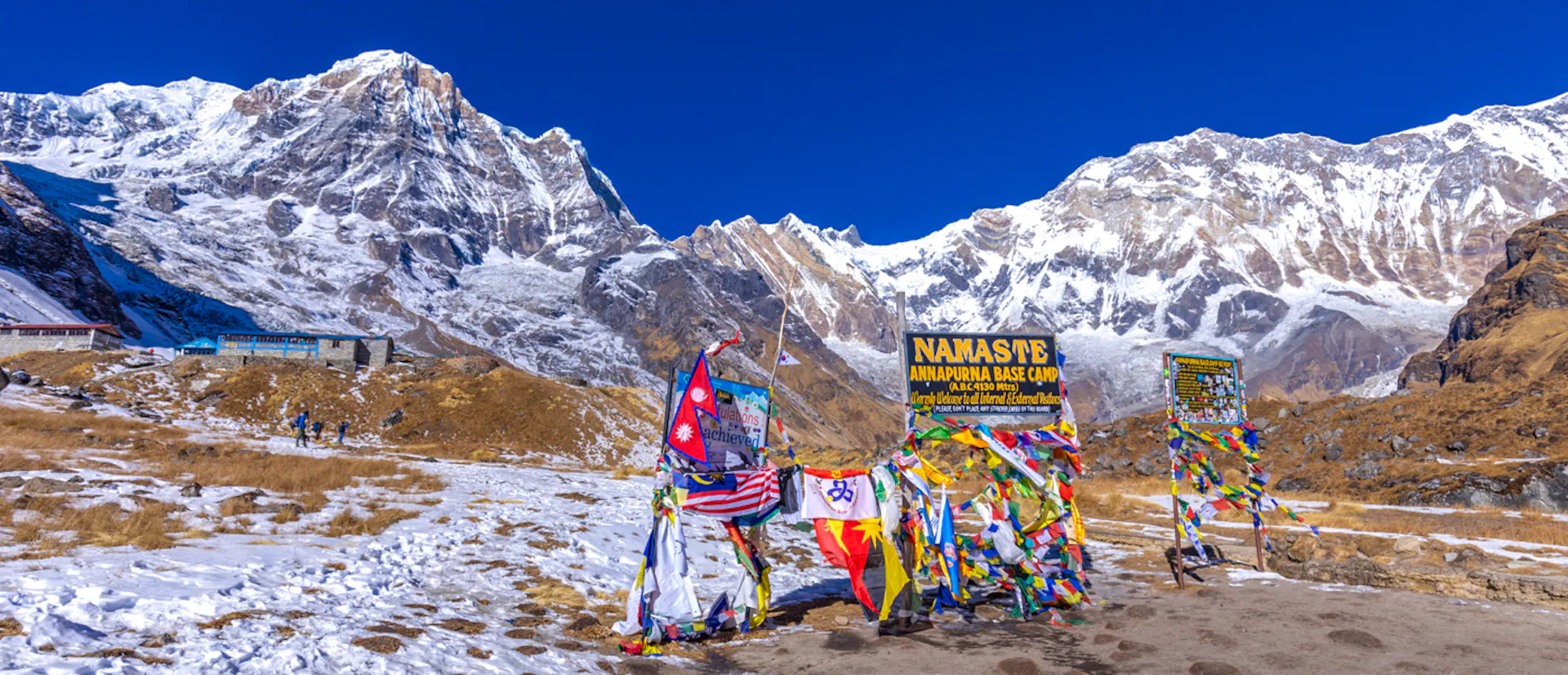
Nepal's incredible landscapes, from the towering Himalayas to lush jungles, offer an adventure for every backpacker. However, the country's diverse climate means that timing your trip is absolutely crucial for the best experience, especially if you're planning on trekking. Understanding Nepal's weather patterns will help you pack right and choose the perfect itinerary for an unforgettable journey.

Nepal’s Seasons (Quick Version)
Nepal experiences three main seasons, each offering a unique perspective on this stunning country. Knowing what to expect in terms of temperature, rainfall, and sky conditions will help you make the most of your adventure.
- Cool & Dry Season: This season brings clear skies, pleasant temperatures, and the best conditions for trekking and mountain views, though it gets colder at higher altitudes.
- Warm & Pre-Monsoon Season: Temperatures rise, and occasional pre-monsoon showers clear the air, making it a good time for lower-altitude treks before the heavy rains begin.
- Monsoon Season: Marked by heavy rainfall and high humidity, this season transforms the landscape into a lush green paradise, though trekking can be challenging.
Nepal month by month, at a glance
Kathmandu and the mid-hills: average daytime high, and each month's rain against the wettest month.
Mid-Hills (Kathmandu/Pokhara)
High Himalayas (Everest Region)
Month-By-Month: Nepal Weather
Nepal's weather can vary significantly month-to-month and region-to-region. Here's a detailed breakdown to help you pinpoint the ideal time for your backpacking adventure, ensuring you're prepared for whatever the Himalayas throw your way.
Nepal Weather in January
Cool, dry, highs around 19°C
January is cold and dry, especially in the mountains, with daytime highs around 18-20°C in Kathmandu and Pokhara. Skies are generally clear, offering crisp mountain views. It's an excellent month for lower-altitude treks and cultural tours in the Kathmandu Valley, though higher passes like Thorong La are often closed due to snow. Expect chilly nights, often dropping below freezing in the hills.
In the High Himalayas, January is intensely cold with heavy snowfall, making high-altitude trekking very difficult or impossible. Conversely, the southern Terai plains remain mild and pleasant, around 20°C, perfect for wildlife safaris in Chitwan National Park.
Nepal Weather in February
Cool, dry, highs around 21°C
February sees temperatures gradually rising, with daytime highs around 20-22°C in the mid-hills. The air remains dry and skies are typically clear, ideal for exploring cities like Bhaktapur and Patan without the intense heat or monsoon rains. Trekking conditions improve slightly at lower elevations, and the rhododendrons begin to bloom in some areas, adding vibrant colour to the trails.
While the Everest region starts to see slightly milder days, it's still very cold and many high passes are snow-bound. This month is popular for cultural festivals in the Kathmandu Valley, attracting fewer international crowds than peak autumn months, making for a more authentic experience.
Nepal Weather in March
Mild, clear, around 25°C
March marks the beginning of spring, with comfortable daytime highs of 23-26°C in Kathmandu and Pokhara. The skies are mostly clear, making it a prime month for trekking in the Annapurna and Everest regions before the pre-monsoon haze sets in. Rhododendrons are in full bloom across the hills, creating stunning scenery, particularly in places like Poon Hill.
The Terai region becomes noticeably warmer, reaching up to 30°C, making early morning safaris essential to avoid the midday heat. Trekking routes are generally less crowded than in October, offering a more peaceful experience, especially on popular trails like the Langtang Valley.
Nepal Weather in April
Warm, hazy, around 27°C
April brings warmer weather, with mid-hill daytime highs of 26-29°C. While generally dry, occasional pre-monsoon showers become more frequent towards the end of the month, clearing some of the atmospheric haze. It's still a popular trekking month, though views can sometimes be obscured by dust and haze, particularly in the lower valleys. Higher altitudes remain pleasant.
In the Everest Base Camp region, conditions are excellent for high-altitude trekking, with stable weather and moderate temperatures during the day. However, the southern plains of Nepal can be quite hot, often exceeding 35°C, making activities outside of early morning or late afternoon less comfortable.
Nepal Weather in May
Hot, humid, around 30°C
May is hot and humid, with average daytime temperatures in Kathmandu and Pokhara around 25-30°C. Pre-monsoon showers become more common and intense, especially in the afternoons. While trekking is still possible, the heat and humidity can be challenging, and views may be obscured by clouds and haze. This is often considered the last window for high-altitude treks before the monsoon truly hits.
The Terai region experiences its hottest temperatures, often well over 35°C, making it less ideal for wildlife viewing. Conversely, some remote areas in the rain shadow of the Himalayas, like Mustang, remain relatively dry and accessible, offering a unique alternative for adventurous travellers.
Nepal Weather in June
Monsoon starts, 29°C
June marks the official start of the monsoon season, bringing heavy and consistent rainfall, particularly in the mid-hills like Kathmandu and Pokhara, where temperatures average 26-29°C. Trekking becomes challenging due to muddy trails, leeches, and obscured mountain views. However, the landscape transforms into a vibrant green, and waterfalls are at their most spectacular, offering a different kind of beauty.
While the central and eastern parts of Nepal receive significant rainfall, regions in the rain shadow, such as Upper Mustang and Dolpo, remain relatively dry and are excellent alternatives for trekking. These areas offer unique landscapes and cultural experiences away from the monsoon's impact.
Nepal Weather in July
Wettest, humid, 28°C
July is typically the wettest month of the year, with continuous heavy rainfall across most of Nepal. Daytime temperatures hover around 25-28°C, accompanied by high humidity. Trekking is generally not recommended due to landslides, swollen rivers, and severely limited visibility. However, this is a great time for cultural immersion in cities, as fewer tourists mean a more authentic local experience in Kathmandu and Patan.
The southern Terai plains, including areas like Chitwan, receive torrential rain, making jungle safaris difficult and uncomfortable. In stark contrast, the rain-shadow valleys north of the main range, such as Upper Mustang and Dolpo, stay far drier and remain open to intrepid trekkers.
Nepal Weather in August
Very wet, warm, 28°C
August continues the monsoon's intensity, with consistent rainfall and high humidity, keeping mid-hill temperatures around 25-28°C. Mountain views are almost non-existent, and trekking conditions remain difficult due to slippery trails and the risk of landslides. Despite the rain, the vibrant greenery is breathtaking, and waterfalls are at their peak. This is a quiet month for tourism, ideal for those seeking solitude.
While most of the country is drenched, the high-altitude regions still receive less rainfall than the mid-hills, though clouds often obscure views. Most rafting rivers run too high to raft safely in August; the rafting season restarts from late September as the water drops.
Nepal Weather in September
Monsoon ends, 27°C
September sees the monsoon rains gradually tapering off, especially towards the end of the month. Temperatures remain warm, around 24-27°C, and humidity starts to decrease. Early September can still be quite wet, but by late September, the skies begin to clear, revealing stunning, freshly washed landscapes and preparing for the peak trekking season. It's a transitional month offering lush views.
High-altitude trekking routes, such as those leading to Everest Base Camp, become increasingly accessible and popular as the weather stabilises and views improve. The Terai region also starts to dry out, making wildlife safaris more comfortable and rewarding as animals emerge more frequently.
Nepal Weather in October
Excellent, clear, around 26°C
October is widely considered the best month to visit Nepal. With daytime highs of 25-27°C in the mid-hills, crystal-clear skies, and minimal humidity, conditions are perfect for trekking in all regions, including Everest and Annapurna. The post-monsoon air provides unparalleled mountain views, and the major Dashain and Tihar festivals bring a vibrant cultural energy to cities like Kathmandu and Pokhara.
This is peak season for all regions, from the high Himalayas to the Terai. Expect crowded trails on popular routes and higher prices for accommodation and flights, especially in the Everest and Annapurna regions. Booking in advance is highly recommended to secure your preferred itinerary.
Nepal Weather in November
Excellent, cool, around 23°C
November continues to offer superb weather, with cooler, dry air and daytime highs around 22-23°C in the mid-hills. Skies remain clear, providing excellent visibility for trekking and sightseeing. While it's still a peak month, crowds begin to thin out slightly compared to October. It's ideal for longer treks and enjoying the crisp mountain air before winter truly sets in.
High-altitude trekking remains fantastic, though nights become significantly colder, requiring warmer gear for camping or teahouse stays. The Terai region enjoys pleasant, mild weather, perfect for exploring Chitwan and Bardia National Parks without the intense heat or humidity.
Nepal Weather in December
Cool, dry, highs around 19°C
December brings colder, dry weather, with daytime highs around 18-20°C in Kathmandu and Pokhara. Nights can be quite chilly, often dropping to freezing in the hills. Skies are generally clear and sunny, offering superb mountain views, especially in the mornings. It's an excellent month for lower-altitude treks, cultural tours, and exploring cities like Lalitpur, though higher passes may start to see snow.
While high-altitude treks become very cold and some routes may close due to snow, the lower Everest region and Annapurna foothills are still accessible for those prepared for cold conditions. Christmas and New Year's see a small bump in tourism, particularly in Pokhara and Kathmandu.
Regional Weather Differences
Nepal's dramatic topography leads to distinct climatic zones. Understanding these regional differences is key to planning a successful backpacking trip, as weather can vary vastly from the southern plains to the Himalayan peaks.
- Mid-Hills (Kathmandu, Pokhara): These central valleys experience mild winters, warm springs, and significant monsoon rainfall from June to September, with average temperatures ranging from 10°C in winter to 30°C in summer.
- High Himalayas (Everest, Annapurna): Characterized by cold, dry winters with heavy snowfall, pleasant spring and autumn trekking seasons, and a less intense monsoon compared to lower altitudes, with temperatures dropping below freezing at night.
- Terai Plains (Chitwan, Bardia): This southern lowland region has hot, humid summers with heavy monsoon rains, and mild, dry winters, making winter the best time for wildlife safaris.
Best Time to Visit Nepal
For most backpackers, the post-monsoon months of October and November are undeniably the best time to visit Nepal. The clear skies offer unparalleled mountain views, temperatures are pleasant for trekking, and the air is crisp. If you prefer fewer crowds and don't mind slightly warmer weather and occasional haze, March and April are also excellent choices, showcasing Nepal's vibrant rhododendron blooms. Monsoon season (June-September) is best for specific rain-shadow treks or cultural immersion, while winter (December-February) suits lower-altitude adventures and cultural tours.
Which Trip, and When?
Nepal is the second half of Backpacking India & Nepal (18 days). After Delhi, the Taj Mahal and Rajasthan, the trip flies to Kathmandu, heads down to Chitwan National Park in the Terai for the jungle, then up to Pokhara and an overnight walk to Australian Camp, at about 2,000 metres, for sunrise over the Annapurnas.
It stays in the mid-hills and the Terai rather than the high passes, so it runs most of the year, but the mountains show themselves best from October to April. October and November give the clearest views, December to February are cold at night but bright, and by April and May the Terai is hot and the views hazier. The India half has its own India weather guide.
- See all our India and Nepal trips.
Ready to see it for yourself? Let's go!
From Bulgaria's slopes to South Africa's savannah, your next adventure is waiting.