
In short: Absolutely, Madagascar is worth the journey for backpackers seeking a truly unique adventure. Its incredible biodiversity, stunning landscapes, and rich culture offer an unforgettable experience, especially for those ready for a bit of off-the-beaten-path exploration.
In this guide
- Why Madagascar is a Backpacking Gem
- Getting Around Madagascar: The Adventure Itself
- Budgeting for Your Madagascar Adventure
- Top Backpacking Experiences in Madagascar
- Practicalities & Staying Safe
Picture this: an island nation teeming with wildlife found nowhere else on Earth, landscapes that shift from ancient baobab forests to pristine white-sand beaches, and a vibrant culture shaped by centuries of migration. This is Madagascar, and for backpackers, it's an adventure that promises to be unlike any other. But is it truly worth the journey? We say, a resounding yes.
Why Madagascar is a Backpacking Gem
- Best for: Unique wildlife & landscapes
- Currency: Malagasy Ariary (MGA)
- Language: Malagasy, French
- Vibe: Wild, adventurous, authentic
Madagascar isn't just a destination; it's an entire world unto itself. This enormous island, the fourth largest globally, broke away from mainland Africa millions of years ago, allowing its flora and fauna to evolve in splendid isolation. The result? Over 90% of its wildlife is endemic, meaning you won't see it anywhere else on the planet. For an independent traveller, this offers a chance to connect with nature on a profound level, far from the typical tourist trails.

- Unrivalled Biodiversity: From playful lemurs to colourful chameleons and bizarre fossa, every turn offers a new discovery.
- Diverse Landscapes: Explore dense rainforests, arid spiny forests, towering limestone karsts (tsingy), and stunning coastlines.
- Rich Culture: Engage with the warm, welcoming Malagasy people, experience local traditions, and savour unique cuisine.
- Off-the-Beaten-Path: While growing in popularity, much of Madagascar remains wonderfully undeveloped, perfect for true adventurers.
If you're keen to dive deep into this incredible world, especially its famous lemurs, consider our Lemurs Volunteering in Madagascar trip. It’s a fantastic way to experience the real Madagascar, contribute to conservation, and meet like-minded travellers.
The Call of the Wild: Lemurs & Beyond
Let's be honest, for many, the main draw of Madagascar is its lemurs. These charismatic primates come in over 100 species, from the tiny mouse lemur to the striking ring-tailed lemur and the haunting indri. Seeing them in their natural habitat, leaping through trees or sunbathing on rocks, is an absolutely magical experience. But it's not just lemurs; you'll encounter a dizzying array of chameleons, geckos, colourful birds, and even the elusive fossa, Madagascar's largest predator.
Tip: To maximise your wildlife sightings, especially lemurs, hire a local guide in national parks. Their knowledge of the terrain and animal behaviour is invaluable, and it supports the local economy.
Getting Around Madagascar: The Adventure Itself
- Main transport: Taxi-brousse
- Roads: Challenging, unpaved
- Best for: Patient travellers
Getting around Madagascar is an adventure in itself, and it’s certainly not for the faint of heart. The infrastructure is basic, and roads can be notoriously bad, especially during the rainy season. This means travel is often slow, unpredictable, and sometimes a little uncomfortable – but it's also where some of your most memorable stories will come from!

- Taxi-Brousse: These shared bush taxis are the backbone of local transport. They're cheap, crowded, and run on 'Malagasy time' (meaning, they leave when full). Expect long journeys and frequent stops, but also incredible insights into local life.
- Private Car with Driver: If your budget allows, this offers more comfort and flexibility, especially for covering longer distances or reaching remote areas. It's often worth splitting the cost with a few travel mates.
- Domestic Flights: For covering vast distances quickly, domestic flights are available but can be pricey and prone to delays. Check flights well in advance.
- Boats: Along the coast, especially in the north and west, boats are a common way to hop between islands or coastal towns.
Embrace the journey, be patient, and enjoy the ever-changing scenery. It's all part of the authentic Malagasy experience.
Budgeting for Your Madagascar Adventure
- Daily budget: USD $30-60
- Food: Affordable local fare
- Activities: National park fees add up
Madagascar can be a surprisingly affordable destination for backpackers, especially if you stick to local transport and eat at local eateries. However, national park entrance fees and guided tours for wildlife viewing can add up, so factor these into your budget.

- Accommodation: Expect to pay around $10-25 USD for a basic guesthouse or hostel bed per night.
- Food: Local meals (rice with zebu or chicken, fresh vegetables) are incredibly cheap, often just a few dollars. Western-style restaurants will be more.
- Transport: Taxi-brousse fares are very budget-friendly, often just a few dollars for a journey of several hours.
- Activities: National park fees typically range from $10-20 USD per day, plus mandatory guide fees (which can be split).
- Money: The local currency is the Malagasy Ariary (MGA). ATMs are available in major cities but can be unreliable. Always carry cash, and consider a travel money card like Wise for better exchange rates.
Accommodation: Where to Crash
Hostels are becoming more common in tourist hubs, offering a great way to meet other backpackers. Otherwise, you'll find plenty of simple, clean, and friendly guesthouses (called 'hotels' locally, even if they're small family-run places) across the country. Don't expect luxury, but you'll get a comfortable bed and often a delicious breakfast.
Top Backpacking Experiences in Madagascar
- Must-see: Avenue of the Baobabs
- Wildlife hotspot: Andasibe-Mantadia NP
- Beach escape: Nosy Be
Avenue of the Baobabs
An iconic image of Madagascar, this dirt road lined with ancient, towering baobab trees is a sight to behold, especially at sunrise or sunset. It's pure magic and a must-do for any traveller.
Isalo National Park
Often called Madagascar's 'Grand Canyon,' Isalo offers stunning sandstone formations, deep canyons, natural swimming pools, and plenty of lemurs. It's a hiker's paradise.
Nosy Be & The Northern Islands
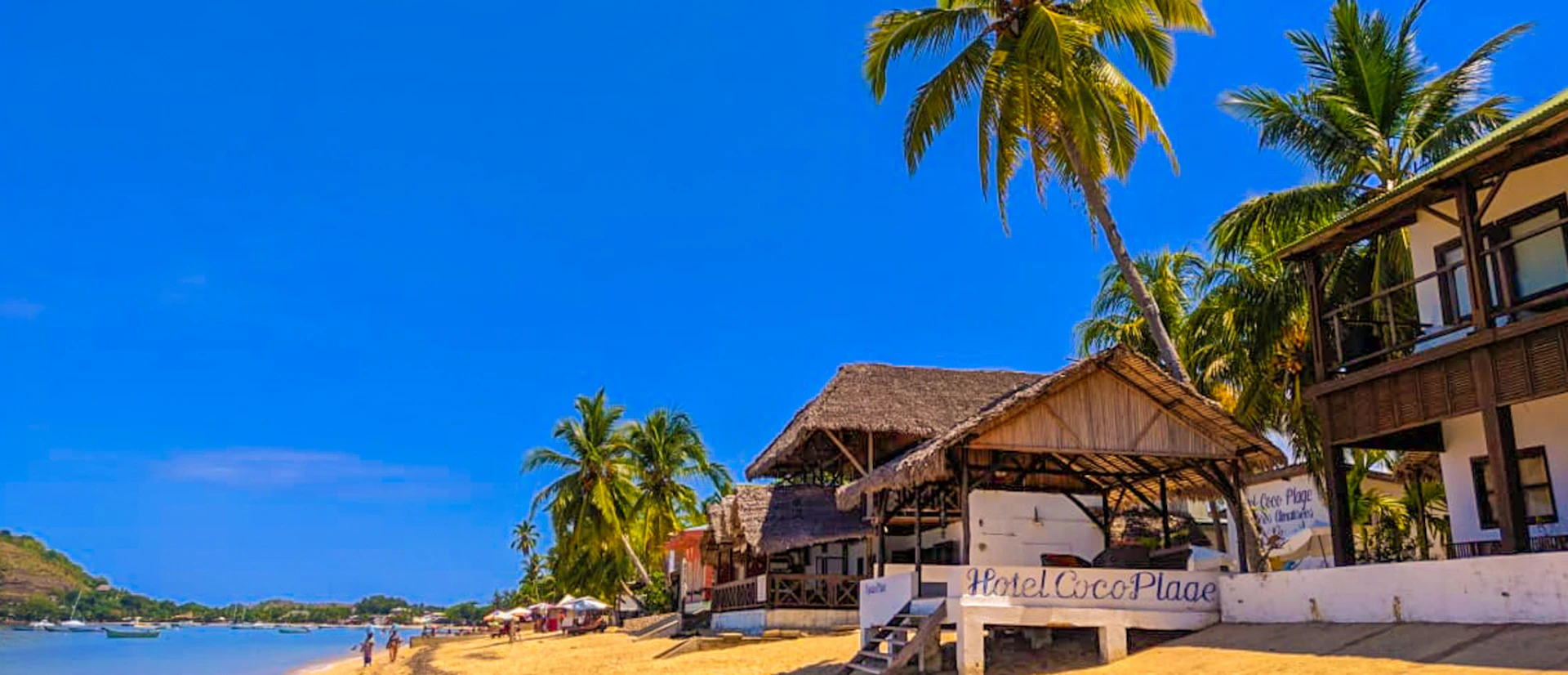
For a taste of island life, head north to Nosy Be and its surrounding smaller islands. Think turquoise waters, snorkelling, diving, and relaxed beach vibes. It's a great place to unwind after some intense jungle trekking.
Trekking in Andringitra
For serious adventurers, the rugged peaks and diverse ecosystems of Andringitra National Park offer incredible multi-day treks, including Madagascar's second-highest peak, Pic Boby.
Madagascar truly has something for every type of adventurer. If you're still weighing your options, check out Why Madagascar Should Top Your Travel List for more inspiration.
Practicalities & Staying Safe
- Safety: Be vigilant, especially in cities
- Health: Malaria risk, consult doctor
- Visa: Required for most nationalities
Like any developing country, Madagascar requires a certain level of awareness and preparedness. While generally friendly, petty crime can occur, especially in larger cities. Always trust your gut, and take sensible precautions.
- Valuables: Keep them secure and out of sight. Don't flash expensive electronics or large amounts of cash.
- Night Travel: Avoid walking alone at night, especially in urban areas. Use reputable taxis.
- Local Advice: Listen to advice from your guesthouse hosts or local guides; they know the area best.
- Travel Insurance: Don't even think about travelling without it. Comprehensive travel insurance is a non-negotiable for an adventure like Madagascar.
Most nationalities require a visa for Madagascar. You can often get a visa on arrival, but it's always best to check the latest requirements before you go. Our article on How to Get Your Madagascar Visa has all the details you'll need.
Tip: Consult your doctor well before your trip about recommended vaccinations and malaria prophylaxis. Mosquito nets are often provided in guesthouses, but bring repellent too.
When to Go: Chasing the Sun
The best time to visit Madagascar is generally during the dry season, from April to October, when temperatures are milder and roads are more passable. However, specific regions and activities might have slightly different ideal windows. For a deeper dive into the climate, check out our Madagascar Weather: The Best Time to Visit guide.
So, is Madagascar worth the journey for backpackers? Absolutely. It's a destination that challenges, inspires, and rewards in equal measure. If you're looking for an adventure that will truly broaden your horizons and leave you with stories for a lifetime, then pack your bags and set your sights on this extraordinary island.
Frequently asked questions
Is Madagascar safe for solo female backpackers?
Madagascar is generally safe, but solo female travellers should exercise extra caution, especially in cities and at night. Stick to well-lit areas, use reputable transport, and consider joining a small group tour for added peace of mind.
What is the average daily budget for a backpacker in Madagascar?
A realistic daily budget for a backpacker in Madagascar is around $30-60 USD, covering basic accommodation, local food, and shared transport. This doesn't include significant national park fees or organised tours, which can add up.
Do I need a visa for Madagascar?
Most foreign nationals require a visa for Madagascar. These can often be obtained on arrival at the international airport for stays up to 90 days, but it's crucial to check the latest regulations for your nationality before travelling.
What are the must-see animals in Madagascar?
Madagascar's must-see animals include various species of lemurs (ring-tailed, indri, sifaka), chameleons, geckos, colourful birds, and the elusive fossa. Each national park offers unique wildlife viewing opportunities.
Is it possible to travel Madagascar independently?
Yes, it is definitely possible to travel Madagascar independently, though it requires patience and flexibility due to challenging infrastructure. Many backpackers opt for a mix of independent travel and organised sections, or join small group tours for ease and safety.
Why book with Backpacking Tours?
At Backpacking Tours, we don't just sell trips to Madagascar; we run them ourselves. This means you'll be exploring with our experienced local guides who know the island inside out, ensuring you get an authentic, on-the-ground experience. Our small groups of 18-39 year-old travellers are perfect for making new friends, and our hand-built itineraries balance iconic highlights with genuine local encounters. We offer flexible, good-value adventures that are consistently rated highly by past travellers, giving you the freedom of backpacking with the ease of an organised tour.
Ready to see it for yourself? Let's go!
From Bulgaria's slopes to South Africa's savannah, your next adventure is waiting.