South Korea offers a captivating blend of ancient traditions and futuristic cities, but its diverse climate means timing your backpacking adventure is key. From snowy winters to humid summers, understanding the seasonal shifts will help you pack right and make the most of your journey across this incredible peninsula. Get ready to explore, but let's make sure you're prepared for the weather!


South Korea’s Seasons (Quick Version)
South Korea experiences four distinct seasons, each offering a unique flavour for travellers. Knowing what to expect throughout the year is crucial for planning your adventure, whether you're chasing cherry blossoms, vibrant autumn leaves, or serene winter landscapes.
- Mild & Dry Seasons: These shoulder seasons offer pleasant temperatures, clear skies, and stunning natural beauty, perfect for outdoor exploration.
- Hot & Humid Summer: Expect high temperatures, significant humidity, and heavy rainfall during the monsoon season, especially in July and August.
- Cold & Dry Winter: Winters are generally cold with dry, clear days, though mountainous regions see ample snowfall for winter sports.
South Korea month by month, at a glance
Average daytime high in Seoul, and each month's rain against the wettest month of the year.

Our South Korea trips
Here are the 2 trips we run in South Korea.
Month-By-Month: South Korea Weather
Dive into the specifics of South Korea's climate month by month. This detailed breakdown will help you pinpoint the perfect time for your backpacking journey, ensuring you're prepared for everything from city exploration to mountain treks.
South Korea Weather in January
Cold, dry, highs around 2°C
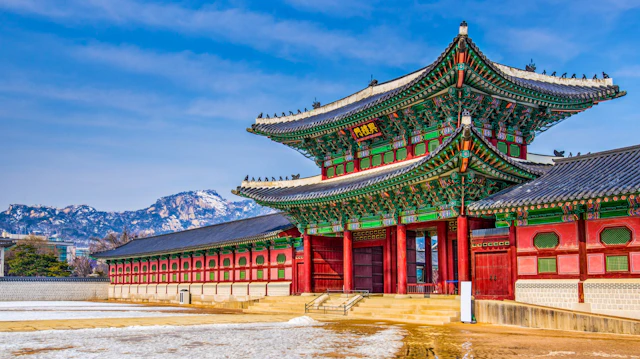
January is typically the coldest month in South Korea, with daytime highs hovering around 2°C in Seoul and nights well below freezing. Expect crisp, dry air and generally clear skies, though coastal areas like Busan might feel slightly milder. Snowfall is common in mountainous regions like Gangwon-do, making it ideal for skiing and winter sports enthusiasts. City sightseeing can be chilly, so layer up!
While Seoul is cold, Jeju Island is noticeably milder, with daytime highs around 8 to 9°C, and offers a unique winter landscape without heavy snow. Crowds are lower in general, making popular spots like Gyeongbokgung Palace more serene.
South Korea Weather in February
Still cold, dry, highs around 5°C
February remains cold across South Korea, with daytime highs around 5°C in Seoul. The air is still dry, and sunny days are frequent, making for pleasant, if brisk, conditions for exploring cities like Gyeongju's historical sites. Mountain snow persists, offering continued opportunities for winter activities into early spring.
Southern coastal cities like Busan start to see a marginal increase in temperature, feeling slightly less biting than inland areas. This month also sees fewer international tourists before the spring rush, potentially offering better deals on accommodation.
South Korea Weather in March
Cool, pleasant, highs around 11°C
March marks the start of spring, with average daytime temperatures rising to around 11°C in Seoul. The weather becomes noticeably milder, and while mornings can still be cool, sunny days are increasingly common. Cherry blossoms begin to appear in southern regions towards the end of the month, particularly around Jinhae, making it a beautiful time for scenic walks.
The south, especially Jeju Island and Busan, experiences earlier and more vibrant cherry blossom displays, drawing local crowds. Inland mountainous areas like Seoraksan National Park are still cool, with snow melting and trails becoming more accessible later in the month.
South Korea Weather in April
Excellent, mild, highs around 18°C
April is one of the best months to visit South Korea, with daytime highs around 18°C in Seoul. Skies are typically clear, and the air is dry and comfortable. Cherry blossoms peak in the first half of the month, from Seoul's Yeouido Park to the historic streets of Jeonju, creating stunning backdrops for sightseeing and hiking.
While cities like Seoul and Gyeongju are bustling with spring festivals, the coastal areas like Gangneung offer pleasant beach walks before the summer heat. Sea conditions are calm, making island hopping around the Dadohae Archipelago a great option.
South Korea Weather in May
Warm, sunny, highs around 24°C
May brings consistently warm and sunny weather, with daytime highs reaching around 24°C. It's an ideal month for outdoor activities, from hiking in Bukhansan National Park to exploring the tea fields of Boseong. Humidity remains low, making for very comfortable conditions before the summer monsoon arrives.
Southern regions like Jeju Island can start to experience slightly higher humidity towards the end of May, hinting at the approaching summer. This month is popular with both domestic and international tourists, so expect moderate crowds at major attractions.
South Korea Weather in June
Warm, humid, highs around 28°C
June sees daytime highs rise to around 28°C, and the humidity begins to climb as the monsoon season, 'Jangma', typically reaches Jeju and the south in the third week of June and Seoul by the end of the month. While there are still plenty of sunny days, expect increasing chances of rain, especially towards the latter half. Cities like Seoul and Busan remain vibrant, but be prepared for occasional downpours.
The southern coast, including Busan and Jeju Island, often experiences the onset of the monsoon earlier and with more intensity than inland areas. Mountain trails can become slippery, so adjust hiking plans accordingly.
South Korea Weather in July
Hot, very wet, highs around 29°C
July is the peak of South Korea's monsoon season, with daytime highs around 29°C and very high humidity. Heavy rainfall is frequent and often prolonged, particularly in central regions like Seoul. Outdoor activities can be challenging, but indoor attractions like museums and shopping centres offer refuge from the rain.
While the entire country is wet, the southwestern regions can receive particularly intense rainfall. Sea conditions around the coast are often rough due to the heavy weather, making beach visits or ferry trips less appealing.
South Korea Weather in August
Hot, humid, highs around 30°C
August remains hot and very humid, with daytime highs around 30°C, though rainfall starts to taper off towards the end of the month. While still prone to heavy showers, there are more clear spells allowing for beach visits in places like Haeundae in Busan, though the sea can be choppy. August and September are also typhoon season, and Jeju and the south coast feel it most, so keep an eye on the forecast.
The eastern coast, including Sokcho, can offer slightly more pleasant conditions with sea breezes, though still warm and humid. Many locals head to coastal areas to escape the city heat, so expect beaches and resorts to be crowded and prices higher.
South Korea Weather in September
Excellent, mild, highs around 26°C
September brings a welcome relief from the summer heat and humidity, with daytime highs around 26°C. This is another prime month for backpacking, offering clear skies, comfortable air, and, late in the month, the first autumn colour in the high mountains. Hiking in national parks like Seoraksan or Gayasan becomes a truly spectacular experience.
The northern mountainous regions begin to display autumn colours first, attracting many domestic tourists for hiking. Coastal areas like Jeju Island enjoy warm sea temperatures, still suitable for swimming early in the month, with fewer crowds than in August.
South Korea Weather in October
Perfect, crisp, highs around 20°C
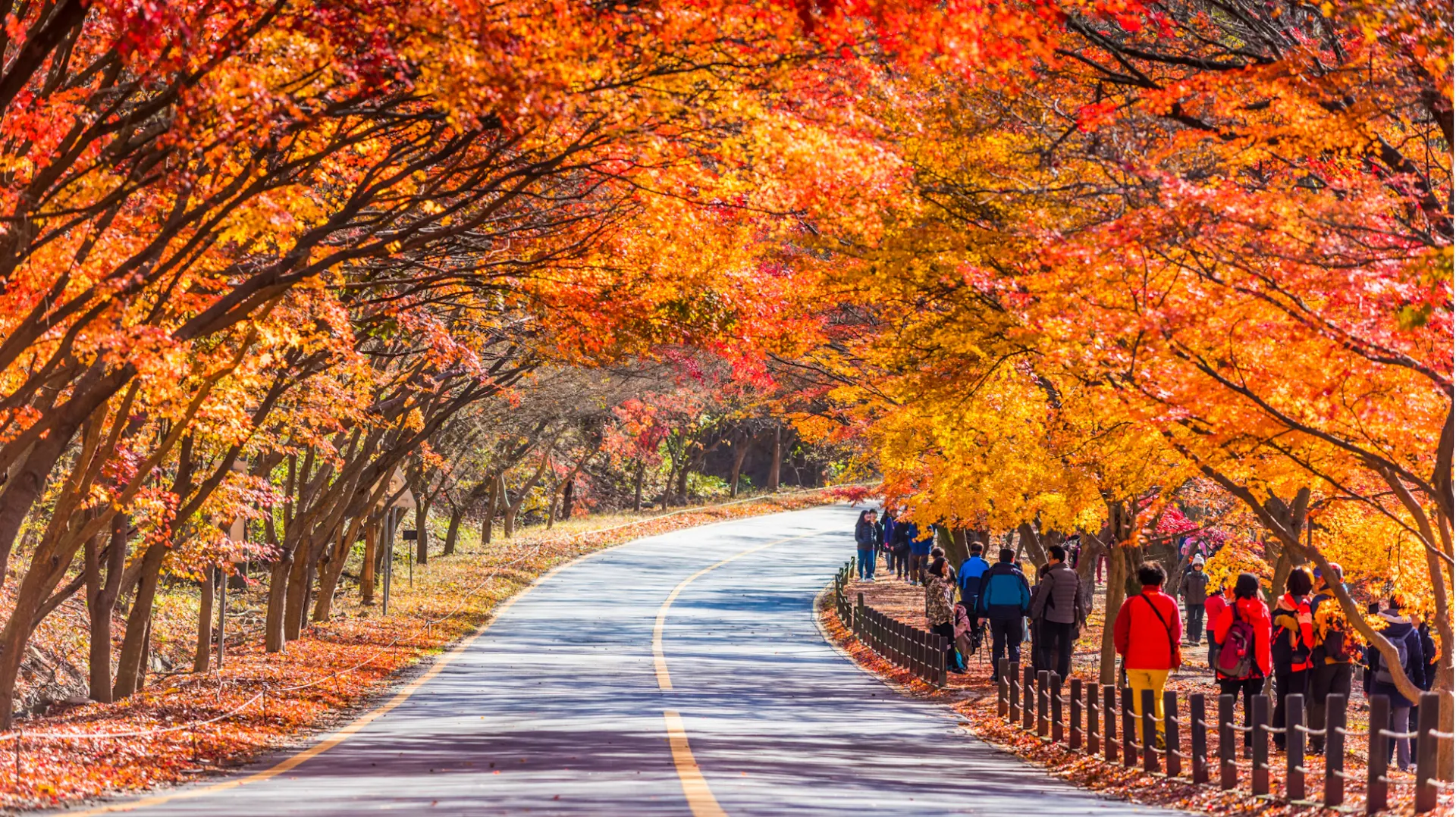
October is arguably the best month to visit South Korea, with daytime highs around 20°C. The air is crisp and dry, skies are brilliantly clear, and the country is ablaze with spectacular autumn colours. It's ideal for exploring cities, historical sites like Bulguksa Temple, and enjoying scenic drives or long hikes.
The entire country is beautiful, but the central and southern mountains, such as Jirisan National Park, offer the most stunning and extensive autumn foliage. Festivals celebrating harvest and culture are abundant, especially in rural areas, providing unique cultural experiences.
South Korea Weather in November
Cool, clear, highs around 12°C
November sees daytime highs dropping to around 12°C, signaling the approach of winter, though early November can still be quite pleasant. Skies remain largely clear and dry, and the last of the autumn leaves can still be enjoyed in southern regions. It's a great time for city exploration in Seoul before the deep winter chill sets in.
Southern coastal areas like Busan retain milder temperatures for longer, making them a good choice for late autumn trips. Mountain regions like Odaesan National Park will be significantly colder, with the first snowfalls possible towards the end of the month.
South Korea Weather in December
Cold, dry, highs around 4°C
December ushers in winter, with daytime highs around 4°C in Seoul. The weather is generally cold and dry, with clear, sunny days being common. While it's chilly, the festive atmosphere in cities like Seoul, with Christmas lights and markets, is enchanting. Be prepared for freezing temperatures, especially at night.
Mountainous areas like Pyeongchang become winter wonderland destinations, perfect for skiing and snowboarding. Jeju Island, while colder than autumn, still offers milder conditions than the mainland, making it a good escape for those sensitive to extreme cold.
Regional Weather Differences
While South Korea is relatively compact, its diverse geography means weather can vary significantly across different regions. Understanding these nuances will help you tailor your backpacking itinerary for the best possible experience, whether you're heading to the coast, the mountains, or the bustling cities.
- Seoul & Central Inland: Expect distinct four seasons here, with hot, humid summers and cold, dry winters; spring and autumn are ideal for city exploration.
- Southern Coast & Jeju Island: This region experiences milder winters and earlier springs, but can see heavier monsoon rains and higher humidity in summer.
- Eastern Coast & Mountains: Winters are colder with more snow in the mountains, while coastal areas benefit from sea breezes in summer, though still warm.
Best Time to Visit South Korea
The best time for backpacking in South Korea is undoubtedly during the spring (April-May) and autumn (September-October). These months offer consistently pleasant temperatures, low humidity, and clear, sunny skies, perfect for hiking, city exploration, and enjoying the country's stunning cherry blossoms or vibrant autumn foliage. You'll find ideal conditions for both urban adventures in Seoul and natural escapes in national parks.
Which Trip, and When?
Backpacking South Korea (13 days) goes from Seoul and the DMZ to a temple stay, Jeonju, Gyeongju and Busan, then flies to Jeju for lava tubes and the Olle trail. Backpacking South Korea: Experience (10 days) covers the mainland half: Seoul, the DMZ, Jeonju, Busan, Gyeongju and a temple stay.
Both involve plenty of walking, and the 13-day trip's Jeju hikes are at their best in spring and autumn. July's monsoon is the month to avoid if you can; winter is cold but dry and clear.
- See all our South Korea trips.
Ready to see South Korea for yourself? Let's go!
We run 2 trips in South Korea, and 31 more countries besides. Your next adventure is waiting.