Do UK citizens need a visa for Morocco?
No. British citizens can visit Morocco for tourism without a visa for up to 90 days. You are stamped in at the border and there is nothing to apply for or pay in advance.
Morocco is one of the easiest countries we travel to: for almost everyone on our trips there is nothing to apply for before you fly. This guide was checked against the UK Foreign Office advice, Canada's and Ireland's official travel advice and Morocco's embassy in Washington in October 2026.
No visa needed: citizens of the United Kingdom, Ireland, the United States and Canada can visit Morocco for tourism without a visa, and so can holders of EU, Australian and New Zealand passports. You are stamped in on arrival and can stay for up to 90 days.
It is your passport that counts: living in the UK or the USA does not change the rule. Morocco's embassy in Washington points out that foreign residents holding a US visa or green card follow the visa rules for their own nationality. If your passport is not on Morocco's visa-exempt list, you apply through Morocco's official e-visa platform, acces-maroc.ma, or a Moroccan consulate.
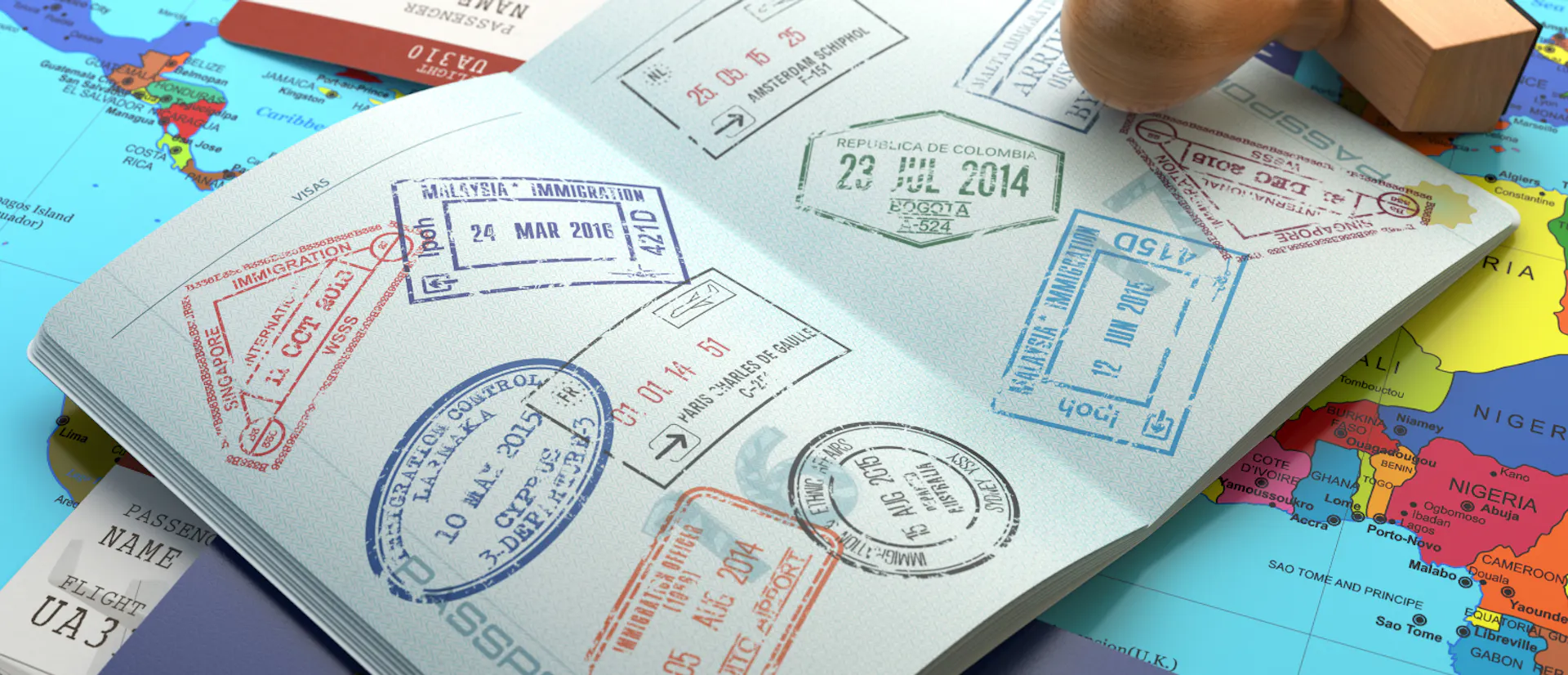
Get the entry stamp: border officials should stamp your passport when you arrive. The Foreign Office warns that some travellers without an entry stamp have had trouble leaving, so check the page before you walk away from the desk.
Visiting for something other than tourism: the 90-day exemption covers holidays. If you are going to Morocco to work, study or do anything else, check the visa rules with a Moroccan consulate first.
Travellers from the UK, Ireland, the EU, the USA, Canada, Australia and New Zealand do not apply for anything in advance. The steps below are what to do before you fly, plus the route for anyone whose passport does need a visa.
The quickest way to see the exact rules for your passport is to check your requirements with Sherpa, which keeps track of the latest entry changes for you.
Here are the 2 trips we run in Morocco.
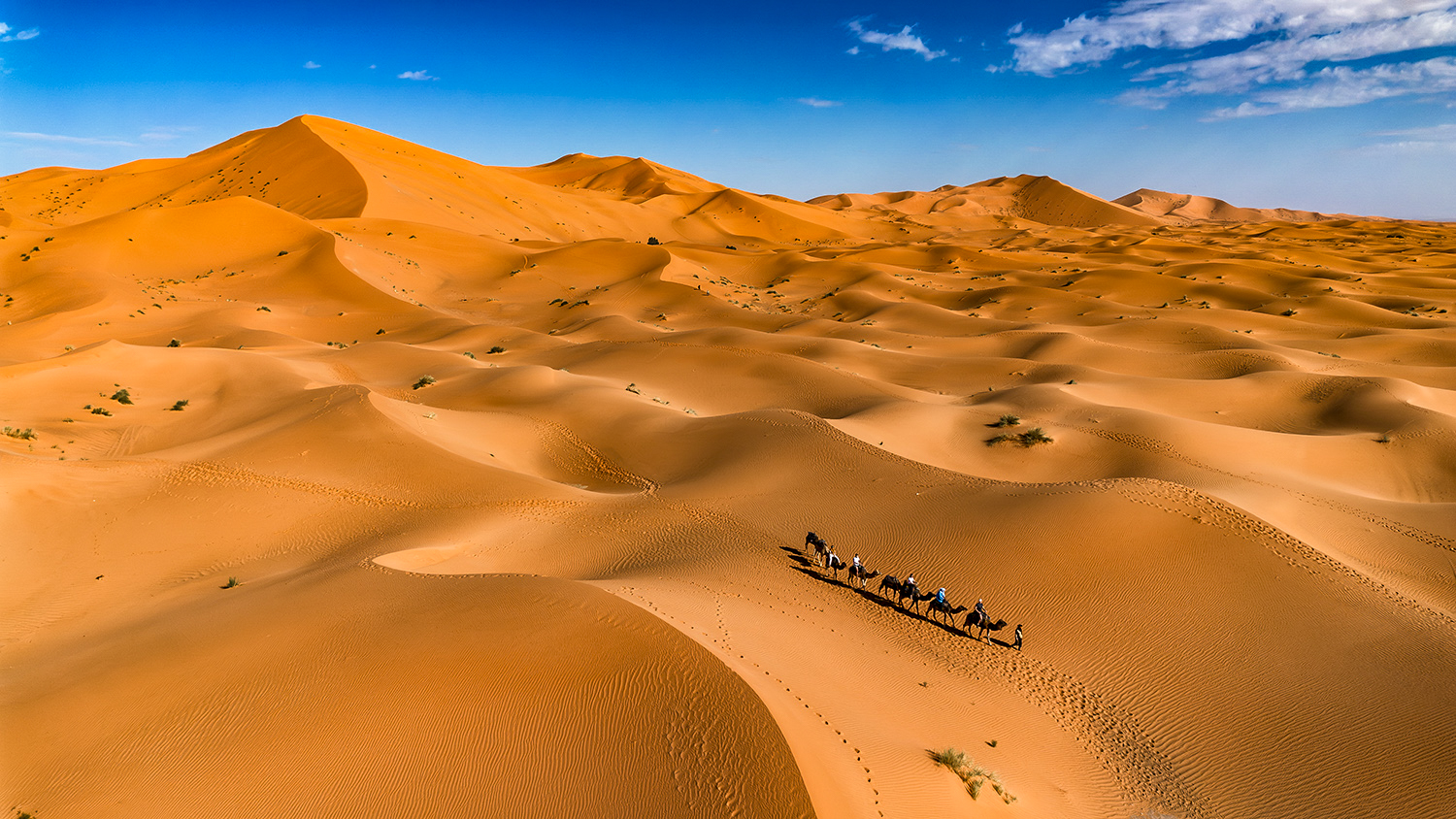
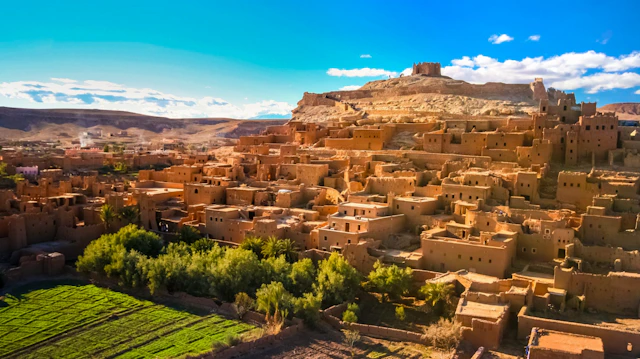
Once you are stamped in, you can travel anywhere in Morocco on the same 90 days with no extra permits. Our 11-day Backpacking Morocco trip starts and ends in Marrakech, and Backpacking Morocco: Grand Adventure runs for 13 days from Casablanca to Marrakech, so both sit well inside the visa-free stay. Two things are worth knowing on the road: it is illegal to send passports by post to or through Morocco, and if your passport is lost or stolen you will need a police report (a déclaration de perte or déclaration de vol, made in the city where it happened) as well as an emergency travel document to leave. For when to go, see our Morocco weather guide.
Check the latest visa requirements:
No. British citizens can visit Morocco for tourism without a visa for up to 90 days. You are stamped in at the border and there is nothing to apply for or pay in advance.
No. Morocco's embassy in Washington says US citizens do not need a visa and can stay for up to 90 days. Living in the USA on a green card or US visa does not count: you follow the rules for the passport you hold.
The UK Foreign Office says a British passport must have at least 3 months left from the date you arrive. Ireland advises 6 months from entry and Canada 6 months beyond your departure, and airlines can apply stricter rules, so aim for 6 months clear of your return date. The passport must also be undamaged.
Up to 90 days. To stay longer, request an extension at a Moroccan police station before the 90 days end; Canada advises going at least 15 days early. Both of our trips, the 11-day Backpacking Morocco and the 13-day Grand Adventure, fit well inside that.
Canada's official advice warns that if you stay beyond the 90-day limit you can be made to remain in Morocco until you have been seen by a prosecutor and fined. Ask for an extension in good time instead.
The Moroccan dirham is a closed currency, so it is hard to exchange outside the country; plan to change money once you arrive. You must declare foreign currency worth 100,000 dirham or more (about £8,000) when you enter or leave.
Check your passport dates, make sure you get that entry stamp, and Morocco takes care of the rest. Rules can change, so check the official advice for your passport before you travel. Check out our Morocco backpacking tours.
We run 2 trips in Morocco, and 31 more countries besides. Your next adventure is waiting.
Be first in line. Waitlist members get early access to the sale, so you can grab the departure you want before places go.
You're on the list! We'll email you as soon as the sale starts.
By signing up you agree that we may send you marketing emails. You can unsubscribe at any time.