Bulgaria joined the Schengen area in full on 1 January 2025, adopted the euro on 1 January 2026 and now sits inside the EU's new biometric border system. None of that means a visa for most of our travellers, but the details matter, especially if you are combining a ski week in Bansko with other European countries. This guide was checked against the UK Foreign Office advice and the EU's official travel portal in September 2026.
Do I need a visa for Bulgaria?
Visa-free entry: citizens of the United Kingdom, the United States, Canada, Australia and New Zealand can visit Bulgaria, and the rest of the Schengen area, for up to 90 days in any 180-day period without a visa. EU, EEA and Swiss citizens need only a valid passport or national ID card and face no time limit as tourists.
Schengen counts as one place: Bulgaria has been a full Schengen member since 1 January 2025, so days spent in Greece, Italy, Spain or any other Schengen country in the 180 days before your trip count towards the same 90. Overstay and you can be banned from the whole area for up to three years.
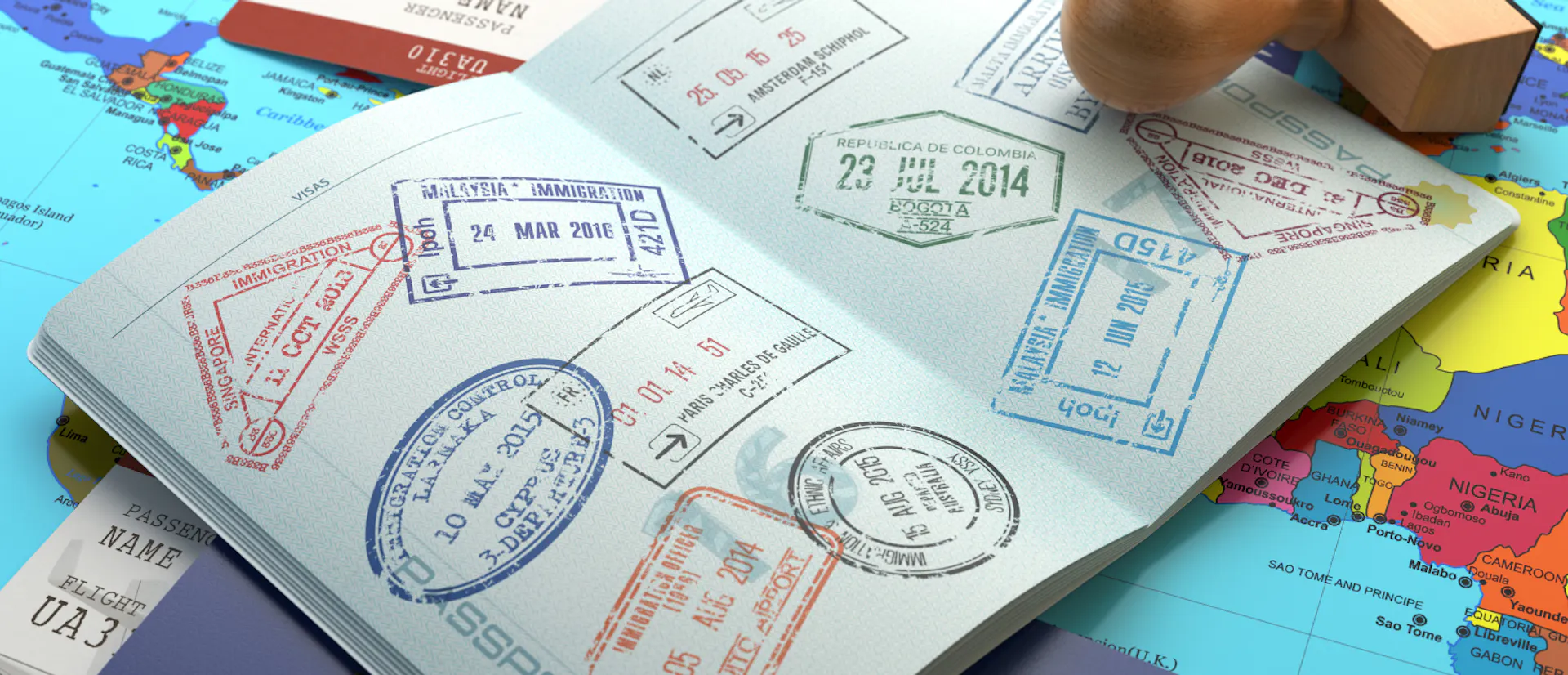
The Entry/Exit System (EES): since 12 October 2025, and fully in force from 10 April 2026, non-EU visitors are registered with a photo and fingerprints at the border instead of a passport stamp. It is free and needs no advance action, but allow extra time at the airport on your first entry. Your record lasts three years.
ETIAS is not running yet: the EU's online pre-travel authorisation for visa-free visitors was due to start in late 2026, but that date was withdrawn in July 2026 and no new one has been set. There is nothing to apply for today. We will update this page when it launches.
- Permitted stay: 90 days in any 180-day period across the whole Schengen area.
- Passport rules (Schengen): issued less than ten years before the day you arrive, and valid for at least three months after the day you plan to leave the area. UK passports renewed before October 2018 can fail the ten-year rule, so check the issue date.
- No extensions: a visa-free stay cannot be extended beyond the 90 days except in exceptional circumstances.
- Money: Bulgaria's currency has been the euro since 1 January 2026. The lev is no longer accepted.
What you need to enter Bulgaria
- A passport meeting the ten-year and three-month rules above (EU citizens: passport or national ID card).
- Proof of where you are staying, such as a hotel booking or our tour confirmation.
- A return or onward ticket.
- Enough money for your stay; a card is fine.
- Proof of travel insurance, which Bulgarian border officers can ask to see.
- Your fingerprints and photo for the Entry/Exit System on your first arrival.
Applying for a Schengen short-stay visa (type C)
If your passport is not visa-exempt you need a Schengen short-stay visa from the Bulgarian embassy or visa centre responsible for where you live. It covers Bulgaria and the rest of the Schengen area for up to 90 days in any 180.
- Where: the Bulgarian embassy or consulate in your country of residence, or its visa application centre.
- Documents: the application form, your passport, photos, an itinerary, accommodation, proof of funds, travel insurance with at least 30,000 euros of medical cover, and a return ticket.
- Fee: the standard Schengen visa fee is 90 euros for adults, with reductions for children.
- Processing: normally 15 calendar days, and up to 45 in complex cases. Apply at least a month ahead, and no more than six months before you travel.
- Passport check: the same ten-year and three-month rules apply to visa holders.
The quickest way to see the exact rules for your passport is to check your requirements with Sherpa, which keeps track of the latest entry changes for you.