
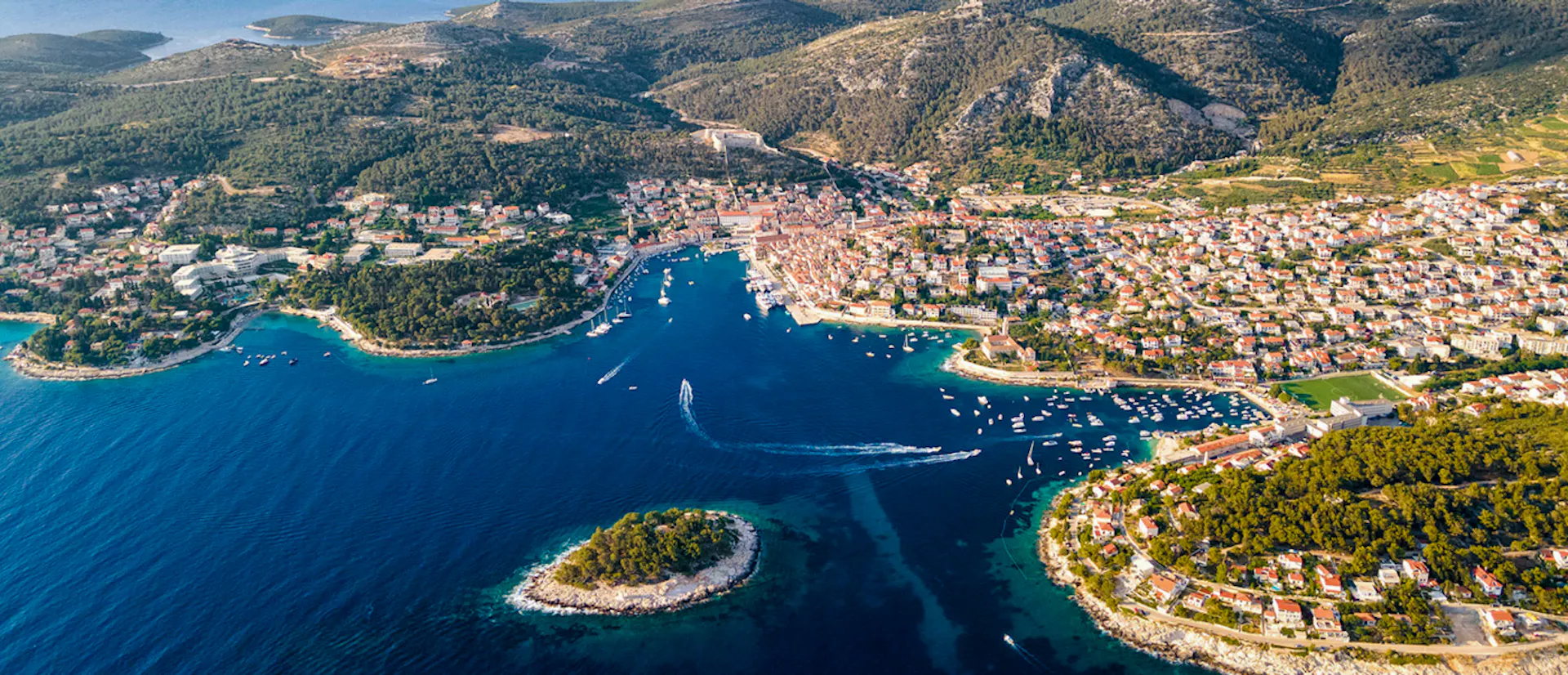
Croatia, with its stunning Adriatic coastline, ancient cities, and lush national parks, offers an incredible backdrop for any backpacking adventure. However, its climate varies significantly throughout the year and across regions, making the timing of your visit crucial for an optimal experience. Understanding Croatia's weather patterns will help you pack right and plan your itinerary to make the most of this diverse and beautiful country.



Croatia’s Seasons (Quick Version)
Croatia experiences distinct seasons, each offering a unique flavour for travellers. Whether you're chasing the sun, exploring historic sites, or seeking tranquil landscapes, knowing what to expect from the weather will help you tailor your adventure.
- Cool & Wet Season: This off-peak period brings cooler temperatures and more rainfall, especially along the coast, offering a quieter and more authentic local experience.
- Mild & Pleasant Season: The shoulder seasons provide comfortable temperatures, fewer crowds, and ideal conditions for hiking and exploring, with occasional mild showers.
- Warm & Sunny Season: Peak summer delivers hot, dry, and sunny weather, perfect for beach holidays, swimming, and enjoying the vibrant coastal atmosphere.
Croatia month by month, at a glance
Split, where our sailing trip starts and finishes: average daytime high, and each month's rain against the wettest month.
Adriatic Coast (e.g., Split)
Continental Interior (e.g., Zagreb)
Our Croatia trips
Here is the 1 trip we run in Croatia.
Month-By-Month: Croatia Weather
Croatia's charm shifts with the calendar, offering different experiences depending on the month. Here's a month-by-month breakdown to help you decide when to embark on your Croatian backpacking journey.
Croatia Weather in January
Cold, around 6°C
January is one of the coldest months in Croatia. Coastal cities like Split and Dubrovnik see average daytime temperatures around 10°C, but can drop to 6°C, with higher chances of rain and strong Bura winds. Inland, Zagreb is colder, often hovering around 2°C, with snow possible. Many tourist services are closed, offering a quiet, introspective experience of the country's historic sites without the crowds.
The mountains of Gorski Kotar turn wintry, and when the snow allows there is skiing on Sljeme, the peak of Medvednica just above Zagreb. While the coast is mild but wet, the interior is distinctly colder and often covered in snow, making for a beautiful but chilly contrast to the Adriatic.
Croatia Weather in February
Chilly, around 7°C
February remains chilly across Croatia, with coastal temperatures similar to January, averaging 10°C in places like Zadar and Rijeka. Rain is still common, but sunny days are starting to become more frequent. Inland, Zagreb stays cold, with highs around 6 to 7°C and frosty mornings. It's a great time for budget travellers seeking solitude and cultural immersion, as prices are low and sites are uncrowded.
While the Adriatic coast is slowly stirring, with some cafes reopening, the continental interior around Slavonia remains firmly in winter's grip. Expect colder temperatures and a higher likelihood of snow inland compared to the milder, though still cool, coastal strip.
Croatia Weather in March
Cool, around 10°C
March sees a gradual warming trend in Croatia. Coastal areas like Dubrovnik and Hvar experience average daytime temperatures of 13°C, with increasing sunshine and decreasing rainfall. Inland, Zagreb warms to highs around 12°C, and spring flowers begin to bloom. While the sea is still too cold for swimming, it's an excellent month for sightseeing, hiking in national parks like Krka, and enjoying the awakening landscapes.
The Plitvice Lakes National Park transitions from winter, with melting snow feeding the waterfalls, creating spectacular views. This contrasts with the coast where the air is fresher and brighter, setting the stage for outdoor activities, though the sea remains too cold for a dip.
Croatia Weather in April
Mild, around 15°C
April brings truly pleasant spring weather to Croatia. Coastal regions like Split and Istria enjoy average temperatures of 17°C, with plenty of sunshine and only moderate rainfall. The sea is still cool but might tempt the brave. Inland, Zagreb reaches around 17°C, perfect for city exploration. It's an ideal month for backpacking, with blooming landscapes, fewer crowds than summer, and comfortable conditions for cycling or walking.
Festivals and events begin to pick up in coastal towns, signalling the start of the tourist season, with ferries to islands like Brač becoming more frequent. Meanwhile, the continental interior offers crisp, clear days perfect for exploring historical sites and vineyards, with cooler evenings.
Croatia Weather in May
Warm, around 20°C
May is a fantastic month to visit Croatia. Average daytime temperatures along the coast, from Rovinj to Dubrovnik, climb to a pleasant 22°C, making it warm enough for sunbathing and even a quick dip in the increasingly inviting Adriatic Sea. Inland, Zagreb reaches around 22°C. Rainfall is low, and the days are long and sunny. This is another prime month for backpackers, offering a perfect balance of good weather, active opportunities, and manageable crowds.
The islands, such as Korčula and Vis, come alive with vibrant greenery and fewer tourists than peak season, making them perfect for exploring. In contrast, the Plitvice Lakes are lush and full, with comfortable temperatures for hiking, though crowds start to build slightly compared to April.
Croatia Weather in June
Hot, around 25°C
June marks the beginning of summer and the peak season in Croatia. Coastal areas like Hvar and Makarska experience average temperatures around 26°C, with abundant sunshine and very little rain. The Adriatic Sea is wonderfully warm, perfect for swimming, snorkelling, and sailing. Expect lively atmospheres in popular destinations, with longer daylight hours ideal for enjoying beaches and outdoor dining. Crowds are increasing but not yet at their absolute peak.
While the coast is heating up, inland cities like Zagreb are also warm, averaging 23°C, but with slightly higher humidity and a chance of afternoon thunderstorms. Mountainous regions offer cooler retreats for hiking, providing a refreshing escape from the coastal heat.
Croatia Weather in July
Excellent, hot, dry, around 29°C
July is peak summer in Croatia, with consistently hot and dry weather. Coastal cities such as Split and Dubrovnik often see daytime temperatures reach 30°C or higher. Expect intense sunshine, minimal rainfall, and very warm Adriatic waters, ideal for all water activities and island hopping. It's a fantastic time for beach lovers and sun-seekers, though popular spots will be very crowded and prices for accommodation and transport peak.
Inland areas, including Zagreb, are also hot, averaging 27°C, but can feel muggier with occasional afternoon showers. The Plitvice Lakes are stunning but can be exceptionally busy, so an early start is essential to enjoy the trails without the largest crowds.
Croatia Weather in August
Hot, around 29°C
August mirrors July with hot, sunny, and dry conditions across Croatia. Average coastal temperatures remain around 29°C in places like Šibenik and Rab, with the sea at its warmest. It's a continuation of the high season, perfect for enjoying the beaches, coves, and vibrant nightlife. Be prepared for maximum crowds, especially in popular coastal towns and islands, and book accommodation well in advance. Hydration and sun protection are essential.
While the coast is buzzing, the continental interior around Zagreb experiences similar high temperatures, although with slightly more comfortable humidity levels than July. National parks further inland, like Risnjak, offer a cooler, forested environment for hiking away from the intense coastal heat.
Croatia Weather in September
Warm, around 24°C
September is one of the best months for backpacking in Croatia. The intense summer heat begins to subside, with coastal temperatures averaging a very pleasant 24°C in places like Pula and Opatija. The sea remains warm enough for swimming, and the crowds thin out significantly. Rainfall is still low but starts to increase towards the end of the month. It's perfect for exploring historical sites, hiking, and enjoying the coast without the summer rush.
The grape harvest begins in regions like Istria and Slavonia, offering unique agritourism experiences. This contrasts with the still-bustling but more relaxed atmosphere on the Dalmatian islands, where the sea is still inviting and fewer tourists mean more space to enjoy the natural beauty.
Croatia Weather in October
Mild, around 18°C
October offers mild and comfortable autumn weather in Croatia. Coastal areas, from Split to Dubrovnik, see average daytime temperatures around 19°C. The sea is cooling but still possible for a quick dip early in the month. Rainfall increases, especially later in October, but there are still many sunny days. It's an excellent month for cultural exploration and hiking, with beautiful autumn colours and very few tourists.
The continental interior, including Zagreb, experiences crisp autumn air, with temperatures around 14°C, and the city parks are ablaze with autumn colour. Many coastal restaurants and services begin to close for the season, creating a quieter, more local vibe compared to the bustling summer months.
Croatia Weather in November
Cool, around 12°C
November brings cooler temperatures and increased rainfall to Croatia, signalling the start of the off-season. Coastal areas like Rijeka and Zadar average 14°C, but expect more overcast days and stronger winds. Inland, Zagreb drops to highs around 10°C, with a higher chance of rain or even early snow. Many tourist facilities close, making it a month for those seeking solitude, lower prices, and a glimpse into local life without the tourist facade.
The Plitvice Lakes National Park transforms with autumn colours, and the lower visitor numbers make for a serene experience, although some paths may be slippery. Along the coast, the sea becomes too cold for swimming, but the historic city centres offer atmospheric walks in the quieter conditions.
Croatia Weather in December
Cold, around 7°C
December is cold and often wet across Croatia. Coastal temperatures in cities like Dubrovnik average 11°C, but with significant rainfall and chilly winds. Inland, Zagreb is cold, around 3°C, with a good chance of snow, creating a festive, wintry atmosphere, especially around Christmas markets. It's the quietest month for tourism, offering a chance to experience local traditions and enjoy the country's beauty in a different, more subdued light.
While the Adriatic coast is experiencing its wettest period, the continental interior around Zagreb comes alive with festive markets and a higher probability of picturesque snowfall. This provides a stark contrast between the mild, rainy coast and the colder, potentially snowy inland regions.
Regional Weather Differences
Croatia's elongated shape and varied topography mean that weather conditions can differ significantly between its regions. Understanding these distinctions is key to planning a trip that matches your preferred climate and activities.
- Dalmatian Coast & Islands: Expect hot, dry summers perfect for beach activities and mild, wetter winters along this popular stretch from Zadar to Dubrovnik.
- Istrian Peninsula: Similar to Dalmatia, Istria enjoys warm summers but tends to have slightly cooler temperatures and more rainfall in spring and autumn, ideal for cycling and exploring.
- Inland Croatia (Zagreb & Slavonia): Experience a continental climate with warmer summers, colder winters often with snow, and more distinct seasonal changes compared to the coast.
Best Time to Visit Croatia
For backpackers seeking a balance of good weather, fewer crowds, and active exploration, the shoulder months of May, June, and September are truly the best time to visit Croatia. May and June offer lovely warm weather before the peak summer heat and crowds, perfect for hiking, cycling, and early swims. September provides warm seas, pleasant temperatures, and significantly fewer tourists after the summer rush. If you're purely after sun and sea, July and August are fantastic but be prepared for high prices and bustling destinations.
Which Trip, and When?
Backpacking Croatia: Sailing Adventure (10 days) is a sailing trip out of Split: Makarska, a bike ride on Mljet, Dubrovnik, Trstenik, Korčula and Hvar, back to Split, then a day at the Krka waterfalls.
It runs from late May to September, the season when the Adriatic is warm enough to swim in every day and the sea is at its calmest. July and August are the hottest, liveliest and busiest months on the islands, with water around 24 to 25°C. June and September are a little cooler, quieter and just as good for swimming; in September the sea is still at its summer warmth.
- See all our Croatia trips.
Ready to see Croatia for yourself? Let's go!
We run one trip in Croatia, and 31 more countries besides. Your next adventure is waiting.