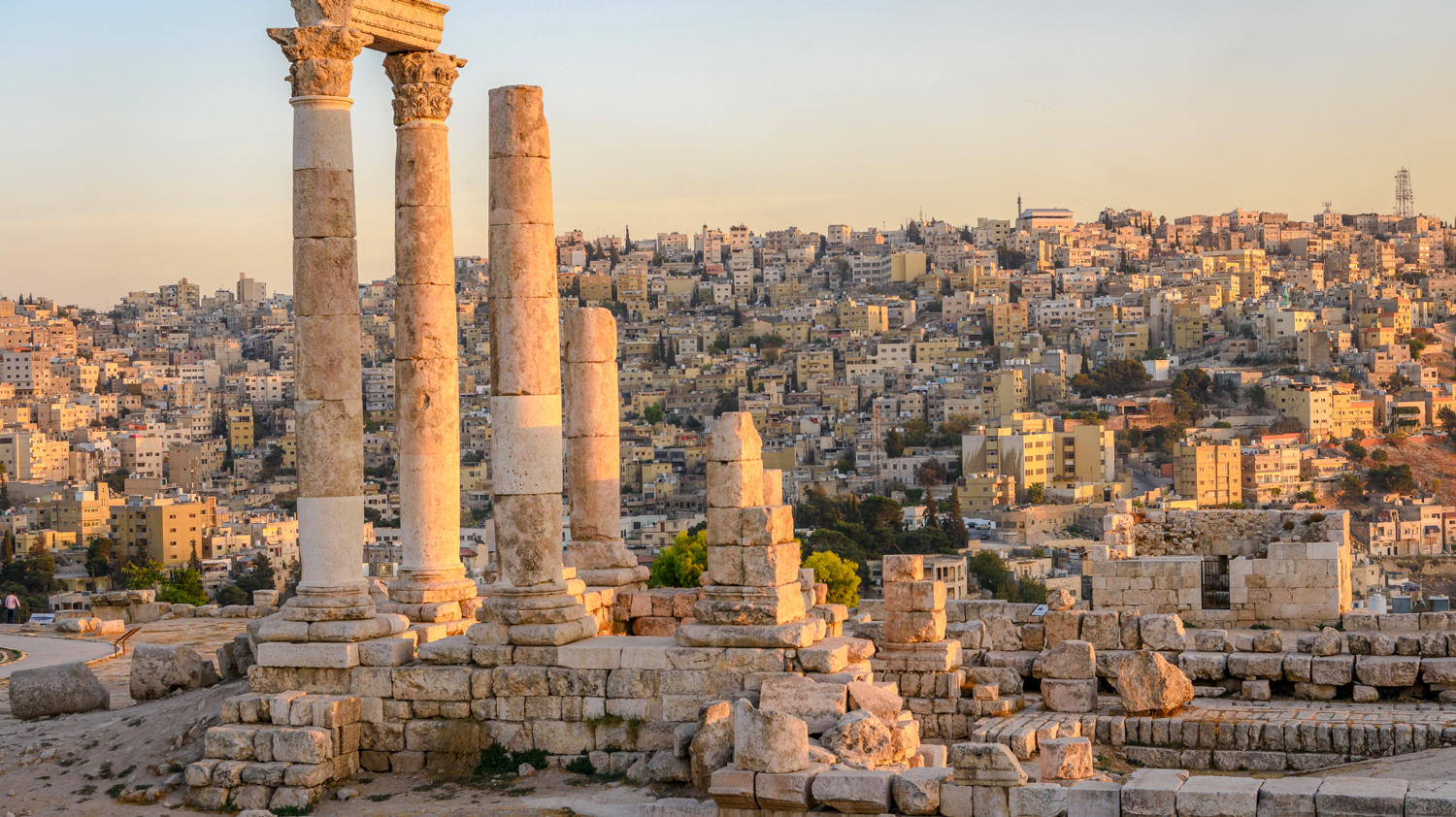
Jordan offers a captivating blend of ancient history and stunning desert landscapes, making it a dream destination for backpackers. Understanding its climate is key to planning an unforgettable adventure, as weather conditions can significantly impact your experience, from desert treks to exploring ancient ruins. Timing your trip right ensures you can fully embrace all that this incredible country has to offer.


Jordan’s Seasons (Quick Version)
Jordan's climate is predominantly arid to semi-arid, with hot, dry summers and cool, sometimes wet, winters. However, the country experiences distinct seasonal shifts that significantly influence travel conditions. Understanding these broad patterns is crucial for backpackers looking to make the most of their adventure, whether you're seeking comfortable hiking weather or embracing the desert heat.
- Cool & Rainy Season: This is winter, bringing cooler temperatures and the majority of Jordan's annual rainfall, primarily in the northern and central highlands.
- Mild & Pleasant Season: Spring offers ideal weather for exploration with warm, sunny days and comfortable nights, making it the peak time for outdoor activities.
- Hot & Arid Season: Marked by intense heat and very little rain, especially from June to September, this period transitions to milder but still dry conditions by late autumn.
Jordan month by month, at a glance
Amman, where the trip starts: average daytime high, and each month's rain against the wettest month. The Dead Sea and Aqaba run 6 to 8°C warmer.
Northern Highlands
Southern Deserts & Rift Valley
Our Jordan trips
Here are the 2 trips we run in Jordan.
Month-By-Month: Jordan Weather
To truly understand Jordan's climate and plan your backpacking itinerary, a month-by-month breakdown is invaluable. Each month presents unique opportunities and challenges, from the bustling spring crowds at Petra to the serene, cooler desert nights of winter. Here's what you can expect throughout the year.
Jordan Weather in January
Cool, some rain, around 13°C
January is Jordan's coolest month, with daytime highs in Amman around 12-13°C, dropping to near freezing at night. The northern highlands see the most rainfall, making hiking potentially muddy but also refreshing. Petra and Wadi Rum are chilly, especially after sunset, so warm layers are essential. It's a quieter time to visit.
The Dead Sea and Aqaba offer slightly warmer conditions, with daytime temperatures averaging 20-21°C, making them pleasant for relaxing by the water or diving, despite being cooler than summer.
Jordan Weather in February
Cool, wet, around 14°C
February remains cool, with Amman's daytime highs around 14°C and rainfall as heavy as January's, the wettest time of year in the north. While still chilly for desert camping in Wadi Rum, the lack of crowds at sites like Jerash can be a major plus. Expect clear, crisp air after any rain.
The southern regions, including Aqaba and the Dead Sea, are noticeably milder, with temperatures reaching 20-22°C. These areas are excellent for winter sun, offering a pleasant escape from the colder northern parts.
Jordan Weather in March
Mild, pleasant, around 18°C
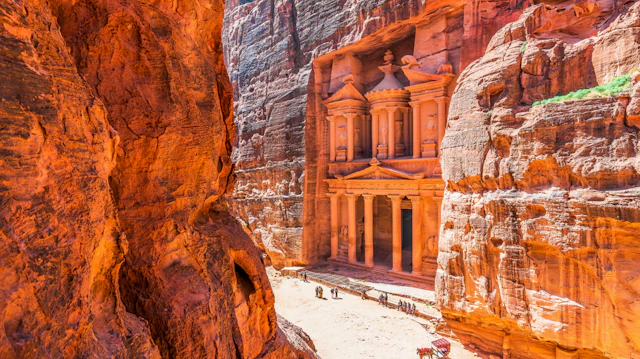
March marks the beginning of spring, bringing a welcome rise in temperatures to around 18°C in Amman and the central regions. Rainfall decreases significantly, and the landscape starts to turn green, especially in the north. This is a fantastic month for exploring Petra and hiking in Dana Biosphere Reserve before the summer heat.
The desert areas like Wadi Rum and the Dead Sea become very pleasant, with daytime highs around 25°C, perfect for comfortable trekking and enjoying water activities without the intense summer sun.
Jordan Weather in April
Excellent, warm, around 25°C
April is arguably one of the best months to visit Jordan. Daytime temperatures run from the low 20s in Amman and Petra to around 30°C by the Dead Sea, with minimal rainfall and abundant sunshine. It's prime time for all activities, from exploring the ancient city of Petra to desert safaris in Wadi Rum and floating in the Dead Sea.
Crowds begin to swell at popular sites like Jerash and Petra, and prices for accommodation might be higher. However, the perfect weather makes it worth navigating the increased visitor numbers.
Jordan Weather in May
Warm, dry, around 28°C
May sees temperatures continue to climb, around 28°C in Amman and the central plains, heralding the arrival of summer. The weather remains dry and sunny, making it still excellent for outdoor activities, though mid-day heat can be intense in exposed areas like Petra.
The Jordan Valley, including the Dead Sea, and Aqaba on the Red Sea coast become quite hot, with temperatures often exceeding 35°C, making water-based activities more appealing than strenuous hiking.
Jordan Weather in June
Hot, very dry, around 31°C
June officially ushers in the hot, dry summer. Daytime temperatures in Amman typically reach 31°C, while desert areas like Wadi Rum and the Jordan Valley can soar to 38°C or higher. Rainfall is virtually non-existent. Early morning and late afternoon are the best times for sightseeing at Petra.
The Red Sea resort of Aqaba offers excellent diving and snorkelling conditions, though the air temperature is very hot. The Dead Sea is also extremely warm, ideal for floating and mud treatments.
Jordan Weather in July
Very hot, arid, around 32°C
July is one of Jordan's hottest months, with average daytime highs around 32°C in Amman and frequently exceeding 40°C in the desert and Rift Valley. The sun is intense, and humidity is very low. Backpackers should focus on indoor activities, early morning starts, and staying hydrated when visiting sites like Jerash.
Nights in Wadi Rum stay warm, around 20°C, so desert camping is comfortable but the days are fierce. The cooler mountain areas, though still hot, offer a slight reprieve from the extreme heat of the valleys.
Jordan Weather in August
Scorching, arid, around 33°C
August mirrors July in its intensity, often being the peak of summer heat with Amman averaging 33°C and temperatures in the south and east regularly reaching 40°C+. It's a challenging month for extensive outdoor exploration. Focus on water activities at the Dead Sea or Red Sea.
While the heat is pervasive, evenings in the northern highlands can offer a slight drop in temperature compared to the scorching days, making evening strolls in Amman more tolerable.
Jordan Weather in September
Hot, dry, around 32°C
September sees a slight but welcome dip in temperatures compared to the peak summer months, with Amman averaging around 32°C. The weather remains very dry and sunny, making it a good transition month. Early mornings are still best for visiting Petra and Wadi Rum, but conditions are more manageable.
The Red Sea at Aqaba remains bathwater warm, providing excellent conditions for diving and watersports. Crowds start to pick up slightly as the intense heat begins to subside.
Jordan Weather in October
Warm, pleasant, around 28°C
October is another prime month for backpacking in Jordan, with pleasant daytime temperatures around 28°C in Amman and minimal rainfall. The scorching summer heat has receded, creating ideal conditions for hiking, exploring ancient sites like Petra, and enjoying the desert landscapes of Wadi Rum.
The Dead Sea and Aqaba are still warm enough for swimming and sunbathing, but the air is much more comfortable than during the summer, making these coastal areas very appealing.
Jordan Weather in November
Mild, some rain, around 20°C
November brings milder temperatures, averaging around 20°C in Amman, and the possibility of the first significant rains of the winter season, especially towards the end of the month. It's still a good time for sightseeing, but be prepared for cooler evenings and potentially wet days in the north.
Wadi Rum and Petra are cool and comfortable for daytime exploration, but nights can get quite chilly, so packing warm layers for desert camping is advisable. The tourist season begins to slow down slightly.
Jordan Weather in December
Cool, rainy, around 15°C
December marks the onset of winter, with daytime highs around 15°C in Amman and increased rainfall across the northern and central regions. While not ideal for sunbathing, it's a unique time to experience Jordan's historical sites with fewer crowds and a fresh, crisp atmosphere.
The southern parts of Jordan, including Aqaba and the Dead Sea, remain considerably milder than the north, offering a warmer alternative for those seeking a winter escape, with average temperatures around 20°C.
Regional Weather Differences
While Jordan is a relatively small country, its diverse geography means that weather conditions can vary significantly between regions. From the mountainous north to the arid south and the unique Jordan Rift Valley, understanding these differences is key to packing appropriately and planning your route.
- Northern Highlands: Experience four distinct seasons with cool, wet winters (sometimes snow) and hot, dry summers, best visited in spring or autumn.
- Southern Deserts: Expect very little rain year-round, with hot days and cool nights, especially in winter; spring and autumn offer the most comfortable trekking.
- Jordan Rift Valley: This region is consistently hot and dry, with mild winters and extremely hot summers, making water-based activities popular year-round.
Best Time to Visit Jordan
For most backpackers, the best time to visit Jordan is during spring (March to May) or autumn (October to November). These shoulder seasons offer wonderfully mild to warm temperatures, abundant sunshine, and minimal rainfall, creating ideal conditions for exploring ancient sites like Petra, hiking in Wadi Rum, and enjoying the Dead Sea without the intense summer heat or winter chill. While popular, the pleasant weather makes any crowds entirely worthwhile.
Which Trip, and When?
Backpacking Jordan (8 days) runs from Amman to the Roman ruins at Jerash and the old town of Al-Salt, then south to Petra, a jeep safari and a night in a Bedouin camp in Wadi Rum, the Red Sea at Aqaba, and a float in the Dead Sea before finishing in Madaba.
It departs all year, and March to May and October to November suit it best: warm days for the long walk through Petra and comfortable nights in the desert. From June to September expect days in the mid-30s at Petra and Wadi Rum and near 40°C by the Dead Sea, so the early starts matter. From December to February Amman can be wet and the Wadi Rum camp close to freezing at night, but Aqaba and the Dead Sea stay around 20°C.
- See all our Jordan trips.
Ready to see Jordan for yourself? Let's go!
We run one trip in Jordan, and 31 more countries besides. Your next adventure is waiting.