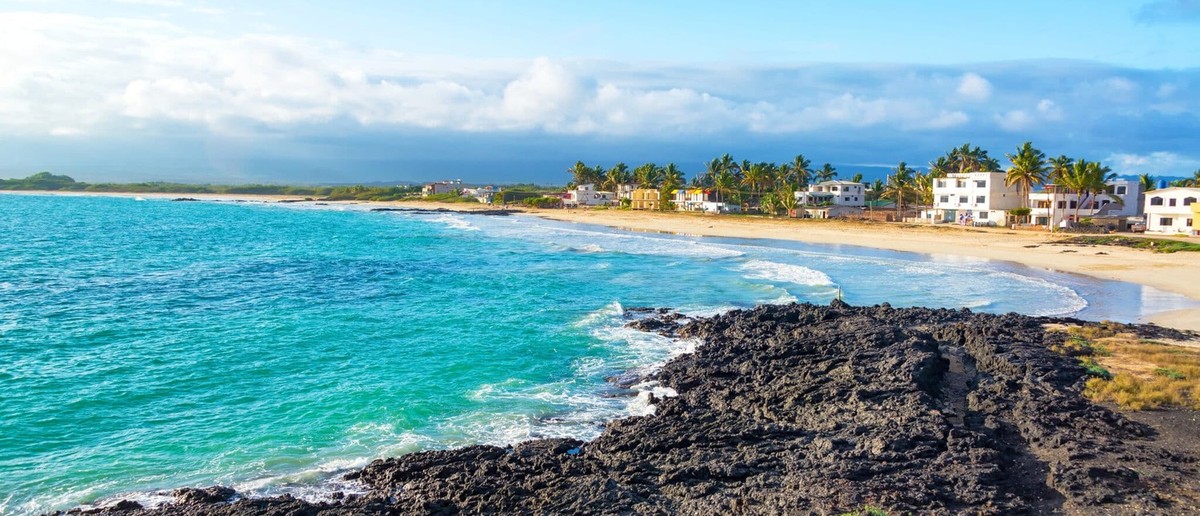
Galapagos sits on the equator, but its climate is shaped by ocean currents rather than classic tropical seasons. A hot, showery season from December to May alternates with a cooler, drier garúa season from June to November, and each brings different sea temperatures, wildlife and crowds. Timing matters on a backpacking trip because it decides whether you will snorkel in warm turquoise water or wrap up for misty highland hikes.


Galapagos’s Seasons (Quick Version)
Galapagos has no true winter or summer. The year splits into a warm, sunny season with sea temperatures to match and a cooler season driven by the Humboldt Current. Here is how the three phases of the year compare.
- Hot Season: Expect strong sun, high humidity and short, heavy afternoon showers, with the warmest sea of the year for snorkelling and swimming.
- Transition Season: Rain fades quickly and the sea starts to cool, so you get dry, comfortable days and fewer visitors before the high season begins.
- Cool Season: Garúa mist and overcast skies are common on the highlands, with cool, nutrient-rich water that brings penguins, whales and lively marine life but needs a wetsuit.
Galapagos month by month, at a glance
Average daytime high, and each month's rain against the wettest month of Galapagos's year.
Coast (Puerto Ayora)
Highlands (Santa Cruz)
Our Ecuador trips
Here is the 1 trip we run in Ecuador.
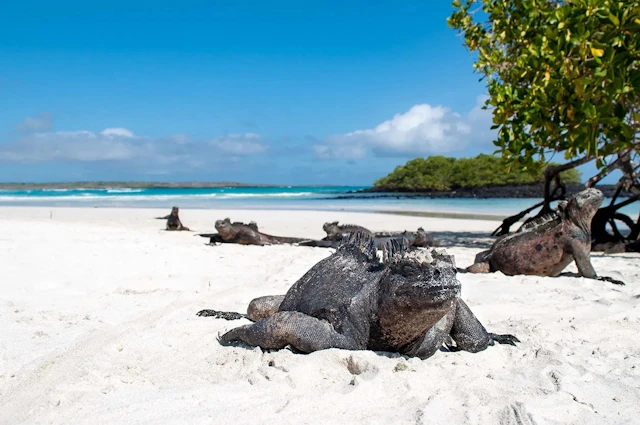
Month-By-Month: Galapagos Weather
Here is how Galapagos feels month by month. Temperatures and rainfall are typical values for the coast around Puerto Ayora on Santa Cruz, with the highlands and other islands noted for contrast.
Galapagos Weather in January
Hot, showery, around 30°C
January is hot and humid in Galapagos, with daytime highs around 30°C in Puerto Ayora and sea temperatures climbing to roughly 24°C. Mornings are often bright, then cloud builds for short, heavy showers, and the coast sees about 40 mm of rain for the month. Snorkelling at Tortuga Bay, Las Grietas and Kicker Rock is comfortable, and the islands are turning green. It is a very good month to go, though the sun can feel steamy.
In the Santa Cruz highlands near Bellavista and El Chato, around 110 mm falls in January, so the tortoise reserves are lush, muddy and cooler than the coast. Holiday crowds around New Year push up boat and hotel prices in Puerto Ayora and Puerto Villamil, so book early.
Galapagos Weather in February
Very hot, humid, around 31°C
February is one of the hottest months, with highs near 31°C in Puerto Ayora and fierce sun between squalls. Rain averages about 55 mm on the coast, usually brief afternoon downpours rather than all-day drizzle, and humidity is high. The sea reaches 25 to 26°C, making this a fine month for snorkelling with sea lions at Isla Lobos and swimming at Tortuga Bay. Expect strong sun, sweaty hikes and clear skies each morning.
Highlands around Santa Rosa and Media Luna receive roughly 150 mm, so the trails near the Los Gemelos craters can be slick and misty. On Isabela, Puerto Villamil's beaches are hot and quiet, and the Sierra Negra crater hike is best started early before cloud builds.
Galapagos Weather in March
Hottest, wettest, around 31°C
March is the wettest month on the coast, with about 60 mm of rain, though it still arrives in short bursts between sunny spells. Highs hover around 31°C in Puerto Ayora and the sea is at its warmest, 26 to 27°C, so snorkelling is superb and visibility is often good. Humidity is oppressive in the afternoons. If you can handle the heat and the odd soaking, this is one of the best months for water activities.
The Santa Cruz highlands are at their wettest, with about 170 mm, turning the pampas green and the tortoise reserve boggy. Out on Española, waved albatrosses begin returning to Punta Suarez from late March, a highlight if you are island hopping by boat.
Galapagos Weather in April
Hot, drying, around 31°C
April stays hot, with highs around 31°C in Puerto Ayora, but the rain eases to about 45 mm and the showers become less frequent. The sea is still a warm 25 to 26°C, and the landscape is at its greenest after the wet months. Skies are sunny for most of the day, with the occasional storm building late. It is one of the most pleasant months overall, with excellent snorkelling and manageable crowds after the holidays.
Puerto Villamil on Isabela is relaxed and sunny, with flamingos in the lagoons behind the beach and calm water at the Tintoreras islets. Easter week brings domestic travellers, which can fill hotels and day tours in Puerto Ayora and Puerto Baquerizo Moreno on San Cristóbal.
Galapagos Weather in May
Warm, drying, around 30°C
May marks the shift between seasons. Daytime highs ease to around 30°C in Puerto Ayora and rainfall drops sharply to about 20 mm on the coast, so most days are dry and bright. The sea begins to cool towards 23 to 24°C and light morning mist can appear. Humidity falls and hiking becomes much more comfortable. It is a very good month for combining beach time, snorkelling and walks, with fewer visitors than the peak.
The Santa Cruz highlands still receive about 80 mm, but the muddy trails are drying out. On Española, albatrosses are in full courtship at Punta Suarez, with their clumsy dancing and bill-clacking, and sea conditions are usually calm enough for comfortable crossings.
Galapagos Weather in June
Mild, dry, around 28°C
June brings the first garúa, a fine mist that settles over the highlands, while the coast stays largely dry at about 10 mm of rain. Daytime highs are around 28°C in Puerto Ayora, with cloud in the mornings and sunshine in the afternoons. The sea cools to 21 to 22°C, so you will want a wetsuit for longer snorkels at Kicker Rock or Gardner Bay. Walking is pleasant, and it is an excellent month overall.
On Isabela and Fernandina, cooler water drives the food chain, so Galapagos penguins and flightless cormorants are active around Tintoreras and Punta Espinoza. Humpback whales start to appear in the west from June. The highlands near Santa Rosa get about 60 mm, mostly as drizzle.
Galapagos Weather in July
Cool, misty, around 26°C
July is a cool, dry month, with highs around 26°C in Puerto Ayora and only about 8 mm of rain. Skies are often grey and overcast with a steady garúa, and the sun appears mainly in the afternoon. The sea drops to 20 to 21°C, so a thick wetsuit is sensible for snorkelling. Evenings feel cool, with a breeze on boat crossings. Wildlife viewing is excellent, and the weather suits hiking rather than lying on a beach.
The western islands of Isabela and Fernandina have the coldest water, rich in plankton, which draws penguins, marine iguanas feeding on algae, and whales through the Bolívar Channel. July is also a peak holiday month, so Puerto Ayora and tour boats fill up and prices rise.
Galapagos Weather in August
Coolest, grey, around 25°C
August is the coolest month in Galapagos, with daytime highs around 25°C in Puerto Ayora and lows near 19°C at night. Rainfall is minimal, about 5 mm on the coast, but grey skies and garúa are common. The sea falls to 19 to 20°C and swells can make boat crossings choppy, so a 5 mm wetsuit helps. Pack a fleece for evenings. The cool conditions are great for hiking, and marine life is at its most active.
In the Santa Cruz highlands, temperatures fall to around 18°C with about 50 mm of drizzle, so mud and mist are normal at El Chato and Los Gemelos. On North Seymour, blue-footed boobies are in courtship, and sea lion pups begin appearing on San Cristóbal's beaches.
Galapagos Weather in September
Cool, grey, around 25°C
September is one of the cooler, drier months, with highs around 25°C in Puerto Ayora and about 5 mm of rain on the coast. Cloud cover is thick for much of the day and garúa drifts across the highlands, though gaps of sun do appear. Sea temperatures stay at 19 to 20°C, and the water can be rough on longer crossings between islands. It is a comfortable month for walking and wildlife, but not a beach-and-sunbathing month.
On San Cristóbal, Isla Lobos and Puerto Baquerizo Moreno's waterfront have sea lion pups at their most playful. The highlands of Santa Cruz receive about 45 mm of drizzle, the lowest of the year, which keeps tortoise reserve trails firm underfoot.
Galapagos Weather in October
Mild, calmer, around 26°C
October sees the garúa begin to thin, and daytime highs creep back up to around 26°C in Puerto Ayora. Rainfall stays very low at about 6 mm on the coast. The sea is still cool at 20 to 21°C, but sunnier spells become more regular, and the winds ease so boat journeys are smoother. It is a quiet, good-value month for backpackers, with comfortable walking weather and plenty of wildlife on show.
October is a shoulder month between peak seasons, so crowds thin out in Puerto Ayora, Puerto Villamil and Puerto Baquerizo Moreno. Hostel rates soften and last-minute deals on multi-day boat cruises become easier to find, especially for travellers who are flexible with dates.
Galapagos Weather in November
Warming, mostly dry, around 27°C
November is a pleasant month, with highs around 27°C in Puerto Ayora and only about 7 mm of rain on the coast. The garúa fades, more blue sky appears, and the sea warms slightly to 21 to 22°C. Humidity is still low compared with the hot season, so walking at Tortuga Bay and around Puerto Ayora is comfortable. It is a very good time to visit, combining decent weather, active wildlife and relatively light crowds.
In the highlands of Santa Cruz about 50 mm of drizzle falls, keeping the landscape fresh. On Española, Punta Suarez offers a last chance to see waved albatrosses before they leave the island for the open ocean around December, along with plenty of sea lions.
Galapagos Weather in December
Hot, humid, around 29°C
December ushers in the hot season, with highs around 29°C in Puerto Ayora and noticeably more sun and humidity. Rain starts to return, with about 15 mm on the coast, mostly short afternoon showers. The sea warms to around 23°C, and snorkelling gets more comfortable by the week. Landscapes begin turning green again. It is a good month for beach days and island hopping, though the Christmas period is busy and expensive.
Christmas and New Year bring peak demand, so Puerto Ayora's hotels and boat tours fill early and prices climb. Green sea turtles begin nesting on beaches such as Las Bachas on Santa Cruz, and the highlands receive about 70 mm as the first rains arrive.
Regional Weather Differences
Galapagos is a compact archipelago, but its islands do not all feel the same. Altitude, ocean currents and exposure to the south-east trade winds create clear differences between the coast, the highlands and the western islands.
- Coastal lowlands (Puerto Ayora, Puerto Villamil, Puerto Baquerizo Moreno): Visit from February to May for hot, sunny days and the warmest sea, or from June to November for dry weather and cooler, comfortable temperatures.
- Santa Cruz and Isabela highlands: These areas are wetter and cooler all year, with the heaviest rain from February to April and garúa mist from June to November, so waterproofs and sturdy shoes are worth packing whenever you go.
- Western and northern islands (Fernandina, western Isabela, Genovesa): The west is coldest from June to November, which is best for penguins, cormorants and whales, while the north is warmer and calmer from January to May.
Best Time to Visit Galapagos
For most backpackers, March to May is the sweet spot: hot, sunny days, a warm 25 to 27°C sea for snorkelling and swimming, lush scenery and the return of albatrosses to Española. If you prefer cooler hiking weather and wildlife such as penguins and whales, June to November is excellent, but bring a wetsuit and layers. December to early January and July to August are the busiest, priciest periods, so book early or aim for the shoulder months of May, June, October and November.
Why Choose Backpacking Tours?
Galapagos can be expensive and logistically tricky for independent travellers, with limited boat departures, national park rules and island-to-island transfers to sort out. Our backpacking tours handle the permits, ferries and licensed naturalist guides while keeping the budget-friendly, small-group spirit of independent travel. We time itineraries around the seasons, so you see the best wildlife for your dates, and our local guides know when and where to go when the weather shifts.
- Explore our Galapagos backpacking tours.
Ready to see Ecuador for yourself? Let's go!
We run one trip in Ecuador, and 31 more countries besides. Your next adventure is waiting.