
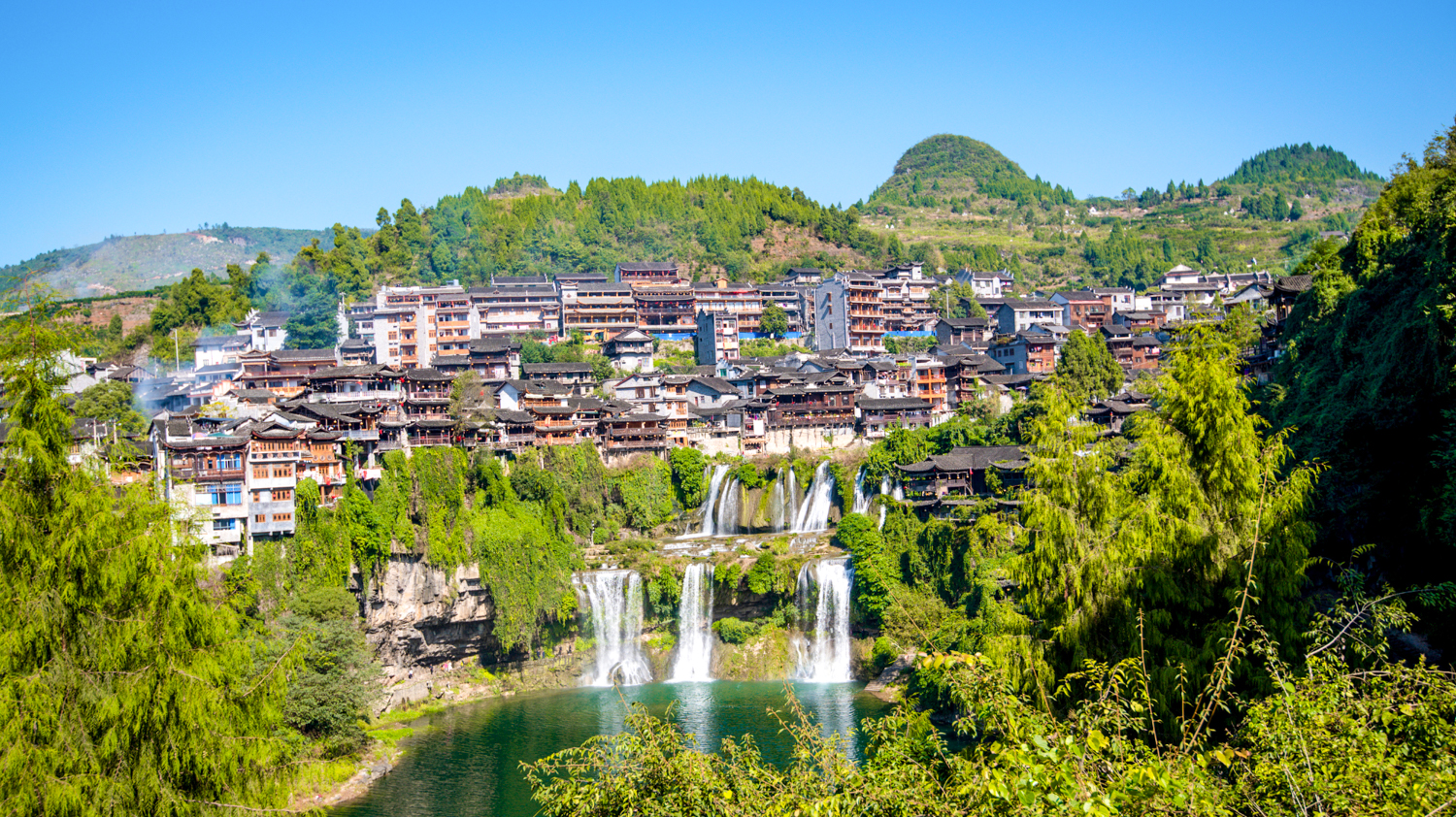
China's vastness means its climate is incredibly diverse, offering everything from tropical beaches to high-altitude deserts. Timing your backpacking trip is crucial to make the most of its incredible landscapes and cultural experiences, ensuring comfortable exploration rather than battling extreme weather. Understanding the regional variations will help you plan an unforgettable adventure.



China’s Seasons (Quick Version)
China experiences distinct seasons that dramatically influence travel conditions, from the scorching summer monsoons to the crisp, clear days of autumn. Understanding these patterns is key to planning your adventure and choosing the right gear.
- Winter (Cold & Dry): Northern China is very cold and dry, while the south is milder but often damp and grey, with fewer crowds at popular sites.
- Spring (Mild & Humid): A beautiful time for most regions with rising temperatures and blossoming landscapes, though southern areas begin to see increased rainfall and humidity.
- Summer & Autumn (Hot & Wet then Mild & Dry): Summer brings widespread heat and monsoon rains, particularly in the south, while autumn offers ideal, clear conditions across much of the country as rain subsides.
China month by month, at a glance
Beijing, where our China trip starts: average daytime high, and each month's rain against the wettest month.
Northern China
Southern China
Southwest China
Our China trips
Here are the 3 trips we run in China.



Month-By-Month: China Weather
China's immense size means that while one region might be basking in sunshine, another could be experiencing heavy rains or snow. Here's a month-by-month breakdown to help you pinpoint the ideal time for your adventure.
China Weather in January
Cold, dry, around 0°C
Beijing is freezing, often with clear skies and potential snow, perfect for seeing the Great Wall. Shanghai experiences chilly, damp weather around 5-8°C. It's a quieter month for tourism, especially after the New Year holiday.
In the far south, places like Hainan Island stay warm, with daytime highs in the mid-20s, a stark contrast to the frozen north, ideal for a winter beach escape.
China Weather in February
Chilly, around 3°C
Still very cold in the north, with Beijing averaging 0-5°C, but hints of spring emerge in the south. The Chinese New Year (often in February) brings massive domestic travel and higher prices across the country.
Yunnan province, particularly Kunming, enjoys mild "eternal spring" weather around 15-20°C, making it a pleasant escape from the colder northern and central areas.
China Weather in March
Mild, around 10°C
Spring begins across central and southern China, with temperatures rising to 10-15°C in Shanghai and Chengdu. Cherry blossoms emerge in cities like Wuhan. Northern cities like Beijing are still cool (5-10°C) but thawing.
While the south gets greener, the Tibetan Plateau is still cold, and permits for foreign visitors to Tibet are often suspended for part of February and March.
China Weather in April
Excellent, around 18°C
Widely considered one of the best months, with pleasant temperatures (15-22°C) and moderate rainfall across most of the country. Ideal for exploring historical cities like Xi'an and Beijing, though the south, around Guilin, is already getting wet.
Southwestern regions like Yunnan are particularly delightful, with warm, sunny days around 20-25°C, perfect for trekking through terraced fields and minority villages.
China Weather in May
Excellent, around 23°C
Continues to be a fantastic month for travel with widespread warm (20-28°C) and sunny weather. Southern regions like Guangzhou and Hong Kong start to feel the onset of summer humidity and occasional showers.
The deserts of Xinjiang in the far west begin to heat up significantly, with daytime temperatures easily exceeding 30°C, making early mornings or evenings the best for exploration.
China Weather in June
Warm, humid, around 26°C
Monsoon season begins in earnest across southern and central China, bringing heavy rains to places like Shanghai (25-30°C) and Sichuan. Northern regions like Beijing (25-30°C) remain drier but become increasingly hot.
The Tibetan Plateau sees its short summer window, with daytime highs of 20 to 23°C in Lhasa before the July rains, making it a popular time for high-altitude trekking and exploring Lhasa.
China Weather in July
Hot, wet, around 29°C
Peak summer heat (30-35°C) and widespread monsoon rains, especially in the south and east. Humidity is very high, making outdoor activities challenging in cities like Shanghai and Chengdu.
Northern cities like Beijing are also very hot and often hazy, though generally receive less rainfall than the south. Coastal areas can experience typhoons during this period.
China Weather in August
Hot, wet, around 28°C
Still very hot and humid with frequent heavy downpours across much of the country, particularly in the south (e.g., Guangzhou 30-33°C). Coastal areas remain prone to typhoons and tropical storms.
The dry northwest is hot but not sticky: the Turpan Depression in Xinjiang regularly tops 38°C, while Dunhuang in Gansu sits nearer 30°C, both with very low humidity.
China Weather in September
Excellent, around 25°C
Arguably the best month for China. Summer heat and rains subside, leaving clear skies and comfortable temperatures (20-28°C) across most regions, from Beijing to Guilin, ideal for sightseeing.
This is an ideal time for hiking in the Yellow Mountains (Huangshan) or exploring the diverse landscapes of Yunnan, with pleasant warmth and reduced chances of rain.
China Weather in October
Excellent, around 18°C
Continues the ideal conditions of September. Crisp air, clear skies, and beautiful autumn foliage, especially in northern mountains like those near Beijing (10-20°C). Southern China remains mild (20-25°C).
The Golden Week holiday (early October) brings massive domestic crowds and higher prices, so plan accordingly to avoid major tourist sites during this period.
China Weather in November
Cool, around 10°C
Temperatures drop significantly, especially in the north (0-10°C), with Beijing seeing its first frosts. Southern China remains mild and pleasant (15-20°C), making it a good time for places like Yunnan and Hainan.
The autumn colours are at their peak in central China's national parks, offering stunning photographic opportunities before winter sets in fully.
China Weather in December
Cold, around 3°C
Winter officially begins. Northern China is very cold and dry, perfect for winter sports near Harbin or exploring the quieter Great Wall sections. Southern and eastern China is cool and fairly dry, around 10°C by day in Shanghai and 20°C in Guangzhou.
While the north freezes, Hong Kong and Macau enjoy mild, dry, and pleasant weather around 18-22°C, making them attractive winter city breaks.
Regional Weather Differences
China's sheer size leads to significant climatic variations across its different geographical regions. Understanding these differences is crucial for planning a multi-destination backpacking trip and packing appropriately.
- Northern China (Beijing, Xi'an): Experiences cold, dry winters with clear skies and hot, humid summers; spring and autumn are generally mild and pleasant.
- Southern & Eastern China (Shanghai, Guangzhou, Guilin): Characterised by mild, damp winters and hot, very humid summers dominated by the monsoon, bringing heavy rainfall.
- Southwestern China (Yunnan, Sichuan): Features diverse climates; Yunnan has a "spring-like" climate year-round, while Sichuan is often cloudy and humid with distinct rainy seasons.
- Western China (Xinjiang, Tibet): Arid and extreme, with vast deserts experiencing hot days and cold nights, and high-altitude Tibet mild by day in summer but cold at night all year.
Best Time to Visit China
For most backpackers, the best time to visit China is during the spring (April-May) and autumn (September-October). These months offer comfortable temperatures, lower humidity, and significantly less rainfall across most of the country, making them ideal for hiking, city exploration, and enjoying China's diverse landscapes without the extremes of summer heat or winter cold. Consider shoulder seasons for fewer crowds.
Which Trip, and When?
Backpacking China (13 days) starts in Beijing for the Great Wall and the Forbidden City, then goes to Xi'an for the Terracotta Army, Chengdu for the giant pandas and the "Avatar" mountains of Zhangjiajie, and ends in Shanghai.
That route crosses the north, the southwest and the east coast, so spring (April to May) and autumn (September to October) suit it best: comfortable temperatures everywhere, and clearer views in Zhangjiajie, which is often lost in cloud and rain in summer. Avoid the first week of October if you can, when Golden Week fills every major sight.
- See all our China trips.
Ready to see China for yourself? Let's go!
We run 3 trips in China, and 31 more countries besides. Your next adventure is waiting.